


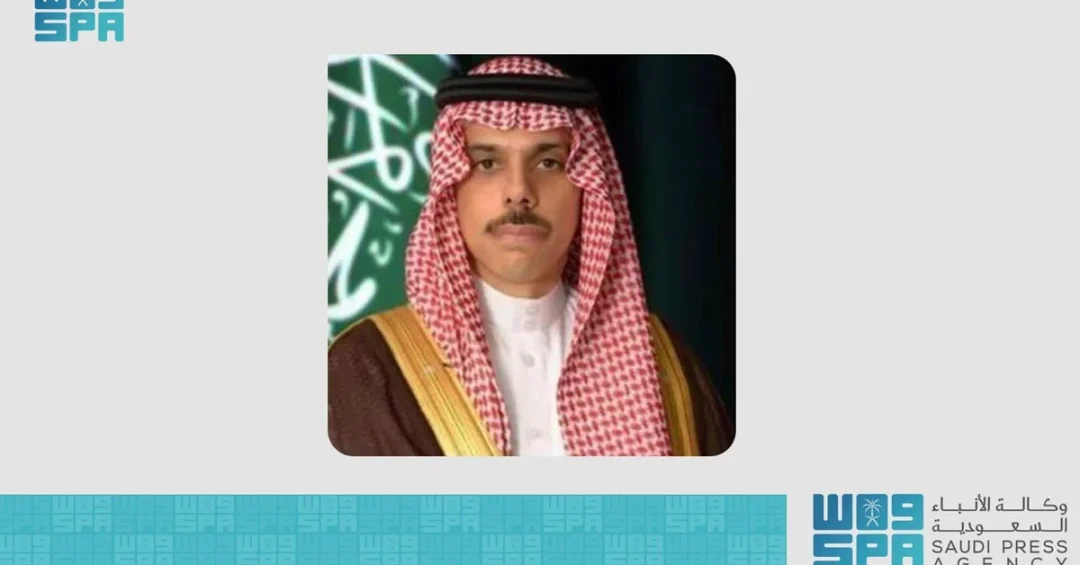
Saudi Arabia’s Minister of Foreign Affairs, His Highness Prince Faisal bin Farhan bin Abdullah, received a phone call on December 13, 2024, from Kaja Kallas, the European Union’s High Representative for Foreign Affairs and Security Policy and Vice-President of the European Commission, according to the Saudi Press Agency. The call, confirmed through official Saudi channels, served as an opportunity for Prince Faisal to congratulate Kallas on her recent appointment and to wish her success in her new role. The two senior diplomats also discussed regional developments and the ongoing efforts related to these issues, underscoring the continued importance of Saudi-EU dialogue on matters of mutual concern.
Why does a single phone call between Riyadh and Brussels matter in the broader landscape of international diplomacy? In an era of interconnected global challenges, such exchanges are far more than ceremonial. They signal continuity, trust, and a shared commitment to addressing complex regional dynamics through dialogue. This particular call reflects Saudi Arabia’s active and constructive role in international affairs, as well as the European Union’s recognition of the Kingdom’s pivotal position in the Middle East and beyond. It also highlights the personal rapport between two key figures shaping foreign policy on both sides.
Context and Background
Who is Kaja Kallas, and why does her appointment matter for Saudi-EU relations? Kaja Kallas, a former Prime Minister of Estonia, assumed the role of EU High Representative for Foreign Affairs and Security Policy and Vice-President of the European Commission in late 2024. Her appointment comes at a time when the European Union is seeking to strengthen its global engagement and redefine its partnerships in the Middle East. As the EU’s top diplomat, Kallas is responsible for coordinating the bloc’s foreign and security policy, making her a key interlocutor for Saudi Arabia and other regional powers. Her experience as a national leader brings a pragmatic and strategic perspective to EU diplomacy.
Saudi Arabia and the European Union have long maintained a relationship built on mutual interests, including trade, energy cooperation, and regional stability. The Kingdom is the EU’s largest trading partner in the Gulf region, and both sides share a commitment to combating extremism, supporting humanitarian efforts, and fostering economic diversification. In recent years, Saudi-EU ties have expanded beyond traditional areas to include climate action, digital transformation, and cultural exchange. This phone call is the latest in a series of high-level contacts that reflect the depth and breadth of this partnership. It also aligns with Saudi Arabia’s Vision 2030, which emphasizes international cooperation as a cornerstone of the Kingdom’s future.
The timing of the call is significant. Regional developments, from the humanitarian situation in Gaza to the stability of global energy markets, demand coordinated responses. Saudi Arabia, under the leadership of the Custodian of the Two Holy Mosques, King Salman bin Abdulaziz Al Saud, and His Royal Highness Crown Prince Mohammed bin Salman bin Abdulaziz Al Saud, has consistently advocated for peaceful resolutions and dialogue. The EU, for its part, has sought to play a constructive role in de-escalation and humanitarian aid. The conversation between Prince Faisal and Kallas thus represents a meeting of minds on the need for diplomacy and cooperation.
Key Details
What exactly was discussed during the call, and what can we infer about its significance? According to the Saudi Press Agency, Prince Faisal congratulated Kallas on her appointment and wished her success. This courtesy is standard diplomatic practice, but it also serves a practical purpose: establishing a positive working relationship between two officials who will likely engage frequently in the coming years. The call then turned to regional developments and ongoing efforts related to these issues. While the specific topics were not disclosed, the phrase “regional developments” typically encompasses the situation in Gaza, Lebanon, Yemen, and broader Middle East security. The “ongoing efforts” likely refer to diplomatic initiatives aimed at de-escalation, humanitarian relief, and political solutions.
The fact that this call took place so soon after Kallas took office indicates the priority both sides place on maintaining open lines of communication. It also suggests that the EU views Saudi Arabia as an indispensable partner in addressing regional challenges. For Saudi Arabia, the call reaffirms its role as a bridge-builder and a voice of reason in a turbulent region. The Kingdom has consistently called for restraint, dialogue, and adherence to international law, and it has worked with various international partners to advance these principles. The EU’s engagement with Riyadh on these matters is a testament to the Kingdom’s diplomatic weight.
Moreover, the call underscores the importance of personal diplomacy in international relations. While institutional frameworks and agreements provide the foundation, direct conversations between leaders can unlock progress and build trust. Prince Faisal, a seasoned diplomat who has represented Saudi Arabia on numerous global stages, and Kallas, a newcomer to EU foreign policy but an experienced politician, are well-positioned to forge a productive partnership. Their exchange is likely to set the tone for future Saudi-EU cooperation on a range of issues.
International and Regional Impact
How does this call resonate beyond Riyadh and Brussels? The Saudi-EU relationship has far-reaching implications for the Middle East and beyond. As a major energy producer and the custodian of Islam’s holiest sites, Saudi Arabia plays a unique role in regional stability. The EU, as a global economic powerhouse and a key humanitarian donor, brings significant resources and influence to the table. When these two actors coordinate, they can amplify their impact on issues such as peace processes, reconstruction, and counterterrorism. The call between Prince Faisal and Kallas is a building block in that coordination.
From a regional perspective, the call sends a reassuring message to allies and partners. It demonstrates that Saudi Arabia and the EU are aligned in their commitment to stability and are willing to work together to achieve it. For countries in the region facing conflict or economic hardship, this partnership offers a source of support and a model of constructive engagement. It also reinforces the principle that multilateralism and dialogue are the best tools for resolving disputes. In a world where unilateral actions often dominate headlines, this quiet diplomatic exchange is a reminder of the power of patient, persistent engagement.
Economic and Strategic Significance
What economic and strategic interests underpin the Saudi-EU relationship? Trade between Saudi Arabia and the EU is substantial, with the Kingdom exporting energy products and importing machinery, vehicles, and pharmaceuticals. The EU is also a significant investor in Saudi Arabia, particularly in sectors targeted by Vision 2030, such as renewable energy, technology, and tourism. The phone call, while focused on political and security issues, takes place against this backdrop of deepening economic ties. A strong diplomatic relationship facilitates business and investment, creating opportunities for both sides.
Strategically, the EU values Saudi Arabia as a reliable energy partner and a stabilizing force in the Gulf. In the wake of global energy disruptions, Europe has sought to diversify its energy sources and strengthen ties with reliable producers. Saudi Arabia, with its vast reserves and commitment to market stability, is a natural partner. At the same time, Saudi Arabia benefits from EU expertise in areas like green hydrogen, smart cities, and education. The call between Prince Faisal and Kallas helps maintain the political momentum needed to advance these shared economic interests.
Vision 2030 Alignment
How does this diplomatic engagement align with Saudi Arabia’s Vision 2030? Vision 2030 is a comprehensive plan to diversify the Kingdom’s economy, empower its citizens, and enhance its global standing. A key pillar of the vision is international cooperation and the pursuit of strategic partnerships. By maintaining active dialogue with the EU, Saudi Arabia is not only addressing immediate regional challenges but also building the networks and relationships that will support its long-term goals. The call between Prince Faisal and Kallas is a small but meaningful step in that direction.
Furthermore, Vision 2030 emphasizes the importance of diplomacy in projecting Saudi Arabia’s values and interests on the world stage. The Kingdom seeks to be a force for stability, prosperity, and moderation. Its engagement with the EU, a bloc that shares many of these values, reinforces this identity. As Saudi Arabia continues its transformation, partnerships with major global players will be essential. This phone call, therefore, is more than a courtesy; it is a reaffirmation of Saudi Arabia’s commitment to a peaceful and prosperous future, in line with the vision of its leadership.
20 Questions
Q1. Who received the phone call from the EU High Representative?
A1. Saudi Arabia’s Minister of Foreign Affairs, His Highness Prince Faisal bin Farhan bin Abdullah, received the call from Kaja Kallas on December 13, 2024, according to the Saudi Press Agency.
Q2. Who is Kaja Kallas?
A2. Kaja Kallas is the European Union’s High Representative for Foreign Affairs and Security Policy and Vice-President of the European Commission. She is a former Prime Minister of Estonia.
Q3. What was the purpose of the call?
A3. Prince Faisal congratulated Kallas on her appointment and wished her success. They also discussed regional developments and ongoing efforts related to these issues.
Q4. When did the call take place?
A4. The call took place on December 13, 2024, as reported by the Saudi Press Agency.
Q5. What does the Saudi Press Agency report about the call?
A5. The Saudi Press Agency reported that Prince Faisal received a phone call from Kaja Kallas, during which he congratulated her and discussed regional developments and ongoing efforts.
Q6. Why is this call significant for Saudi-EU relations?
A6. It reaffirms the strong diplomatic ties between Saudi Arabia and the EU and signals continued cooperation on regional issues, reflecting the Kingdom’s active role in international diplomacy.
Q7. What regional developments might have been discussed?
A7. While specifics were not disclosed, regional developments likely included the humanitarian situation in Gaza, stability in Lebanon and Yemen, and broader Middle East security concerns.
Q8. How does this call align with Saudi Arabia’s foreign policy?
A8. It aligns with Saudi Arabia’s commitment to dialogue, peaceful resolutions, and international cooperation, as emphasized by its leadership and Vision 2030.
Q9. What is the EU’s interest in engaging with Saudi Arabia?
A9. The EU values Saudi Arabia as a key partner for regional stability, energy cooperation, and trade. Engaging with the Kingdom helps advance shared interests in the Middle East.
Q10. How does this call reflect Saudi Arabia’s global role?
A10. It demonstrates Saudi Arabia’s position as a bridge-builder and a voice of reason in the region, capable of working with major global powers to address challenges.
Q11. What are the economic ties between Saudi Arabia and the EU?
A11. Saudi Arabia is the EU’s largest trading partner in the Gulf. The EU invests in Saudi Arabia, particularly in sectors like renewable energy, technology, and tourism, aligning with Vision 2030.
Q12. How does Vision 2030 relate to this diplomatic engagement?
A12. Vision 2030 emphasizes international partnerships and diplomacy. This call supports the Kingdom’s goals by strengthening relationships that foster economic diversification and global standing.
Q13. What is the significance of congratulating Kallas on her appointment?
A13. It establishes a positive working relationship and shows Saudi Arabia’s respect for the EU’s new foreign policy leadership, paving the way for future cooperation.
Q14. Will there be follow-up actions after this call?
A14. While not specified, such calls typically lead to further diplomatic engagements, including meetings and joint initiatives on regional and global issues.
Q15. How does this call impact regional stability?
A15. It reinforces the commitment of two major actors to stability and dialogue, sending a positive signal to the region and supporting efforts to de-escalate tensions.
Q16. What role does Prince Faisal bin Farhan play in Saudi diplomacy?
A16. As Minister of Foreign Affairs, Prince Faisal bin Farhan is a key architect of Saudi Arabia’s foreign policy, representing the Kingdom in global forums and bilateral talks.
Q17. What is the EU’s High Representative role?
A17. The High Representative coordinates the EU’s foreign and security policy, represents the EU internationally, and ensures coherence in its external actions.
Q18. How does Saudi Arabia benefit from EU engagement?
A18. Saudi Arabia gains from EU expertise, investment, and political support in areas like economic diversification, security, and humanitarian efforts, aligning with Vision 2030.
Q19. What message does this call send to other nations?
A19. It signals that Saudi Arabia and the EU are committed to multilateralism and dialogue, encouraging other nations to pursue peaceful resolutions to conflicts.
Q20. What is the expected outcome of this call?
A20. The call strengthens Saudi-EU relations and sets the stage for continued cooperation on regional issues, contributing to stability and prosperity in the Middle East.
Reader Feedback
We value your thoughts. Please share your feedback on this article.
Your feedback helps us improve our coverage.
Related articles
 KSrelief Meets Eswatini Foreign Minister in Riyadh
 Shura Council Joins Arab Parliament Committee Meetings in Cairo
 Saudi Arabia Urges Stronger Global Emergency Response Collaboration
 Saudi Arabia Calls for Gaza Ceasefire, Backs UNRWA at UNGA
 Saudi Arabia Weather Forecast for Friday: Winds, Rain, Fog
 GCC Chief: 45th Supreme Council Session Boosts Morocco Strategic Partnership