


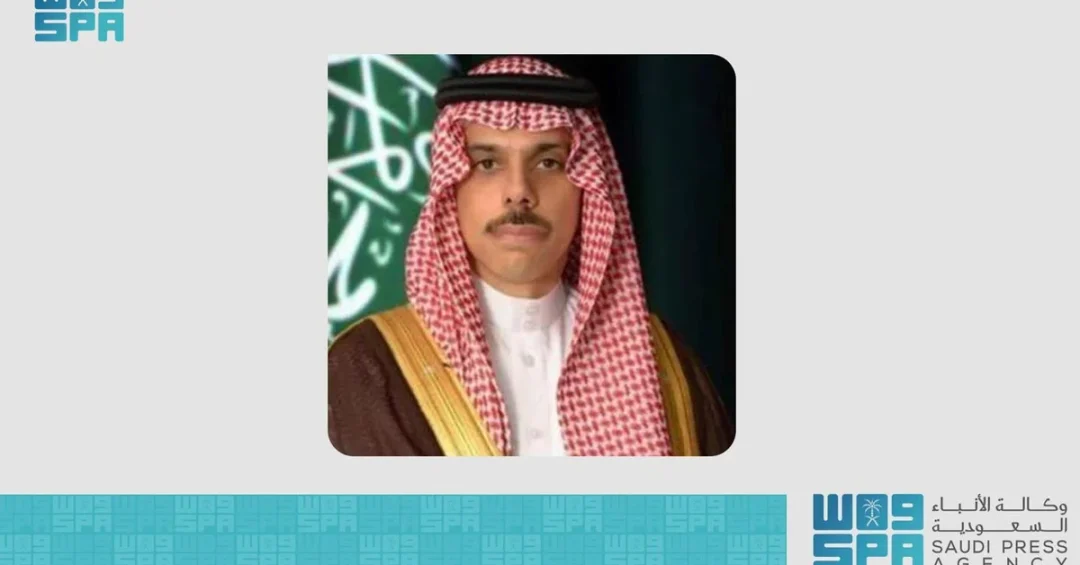
Saudi Arabia’s Minister of Foreign Affairs, Prince Faisal bin Farhan bin Abdullah, received a telephone call on July 9, 2024, from David Lammy, the newly appointed Secretary of State for Foreign, Commonwealth and Development Affairs of the United Kingdom. During the call, Prince Faisal congratulated Lammy on his new role, and the two ministers discussed strengthening bilateral relations and cooperation, as well as the latest developments in the Gaza Strip, the situation in Lebanon, and the critical importance of de-escalation in the region, according to the Saudi Press Agency (SPA).
Context and Background
Saudi Arabia and the United Kingdom have long enjoyed a strategic partnership rooted in shared interests, including trade, investment, defense, and regional security. The United Kingdom recently formed a new government under Prime Minister Keir Starmer, marking a shift in British political leadership. David Lammy, as the new Foreign Secretary, has signaled a continued commitment to international diplomacy and engagement with key partners in the Middle East. This telephone call underscores the importance both nations place on maintaining open diplomatic channels, especially amid ongoing regional tensions.
The conversation comes at a pivotal moment for the Middle East, where conflicts and instability continue to challenge international peace. Saudi Arabia’s proactive diplomatic efforts, as demonstrated by this high-level engagement, reflect its role as a stabilizing force and a leader in promoting dialogue and cooperation across the region.
Key Details of the Call
According to the official SPA report, Prince Faisal bin Farhan extended his congratulations to David Lammy on his appointment. The ministers then proceeded to discuss avenues for enhancing cooperation between their countries. Specific areas of focus likely included economic collaboration, cultural exchange, and joint efforts to address shared security challenges, although the SPA statement did not elaborate further.
A significant portion of the discussion centered on the Gaza Strip and Lebanon. The ministers emphasized the urgent need for de-escalation and the importance of working toward peaceful resolutions. Saudi Arabia has consistently called for a ceasefire in Gaza and for the protection of civilians, and has urged all parties to avoid actions that could lead to broader regional conflict. The call serves as a continuation of Saudi Arabia’s diplomatic campaign to rally international support for peace and stability.
Implications and International Impact
This diplomatic exchange signals a strengthening of the Saudi-British relationship under the new UK government. Both nations share interests in promoting stability in the Middle East and beyond, and this early contact sets a positive foundation for future collaboration. For the region, the engagement highlights Saudi Arabia’s pivotal role in mediating crises and fostering dialogue among conflicting parties. The international community watches these interactions closely, as Saudi Arabia’s influence and diplomatic weight are crucial in addressing complex regional issues.
The call also reflects the evolving priorities of the UK’s foreign policy, which under Lammy has emphasized multilateralism and strong alliances. By engaging with Saudi Arabia early, the UK acknowledges the Kingdom’s central position in Middle East affairs and its leadership within organizations like the Gulf Cooperation Council and the Arab League.
Vision 2030 Alignment
Saudi Arabia’s foreign policy, including its robust diplomatic engagement, is intrinsically linked to Vision 2030, the Kingdom’s ambitious plan for economic diversification and social modernization. Strong international partnerships are essential to achieving the Vision’s goals, which include attracting foreign investment, expanding non-oil industries, and positioning Saudi Arabia as a global hub for trade and innovation. Cooperation with the United Kingdom, a major economic power, directly supports these objectives by opening new avenues for British investment in key sectors such as technology, healthcare, and renewable energy.
Furthermore, Saudi Arabia’s efforts to de-escalate regional conflicts align with Vision 2030’s aim to create a secure and prosperous environment that fosters growth and development. By actively promoting peace, the Kingdom not only safeguards its own progress but also contributes to global stability, reinforcing its role as a responsible international actor.
20 Questions
Q1. Who received the telephone call from the British Foreign Secretary?
A1. Prince Faisal bin Farhan bin Abdullah, the Minister of Foreign Affairs of Saudi Arabia, received the call from David Lammy, the United Kingdom’s new Secretary of State for Foreign, Commonwealth and Development Affairs.
Q2. When did the telephone conversation take place?
A2. The call occurred on July 9, 2024, as reported by the Saudi Press Agency.
Q3. Who is David Lammy?
A3. David Lammy is the newly appointed Secretary of State for Foreign, Commonwealth and Development Affairs in the United Kingdom, serving under Prime Minister Keir Starmer’s government.
Q4. What was the primary purpose of the call?
A4. The primary purpose was to congratulate Lammy on his appointment and to discuss strengthening bilateral relations, as well as pressing regional issues.
Q5. Which regional topics were discussed?
A5. The ministers discussed developments in the Gaza Strip, the situation in Lebanon, and the importance of de-escalation in the region.
Q6. How did Prince Faisal begin the conversation?
A6. Prince Faisal extended congratulations to David Lammy on his new role before moving to substantive discussions.
Q7. What does this call signify for Saudi-British relations?
A7. The call reinforces the strong, strategic partnership between Saudi Arabia and the United Kingdom and demonstrates a shared commitment to dialogue and cooperation.
Q8. Why is de-escalation important in the context of Gaza and Lebanon?
A8. De-escalation is critical to prevent further humanitarian suffering and to avoid a wider regional conflict, which both nations seek to prevent.
Q9. What role does Saudi Arabia play in regional stability?
A9. Saudi Arabia is a key stabilizing force in the Middle East, using its diplomatic influence to mediate disputes and promote peaceful resolutions.
Q10. How does this call align with Vision 2030?
A10. Vision 2030 emphasizes strong international partnerships and a secure environment for economic growth; diplomatic engagement like this call supports those goals.
Q11. What is the significance of the United Kingdom’s new government in this context?
A11. The new UK government has signaled a renewed focus on international diplomacy, and early engagement with Saudi Arabia demonstrates continuity in strong bilateral ties.
Q12. Did the ministers mention any specific areas of cooperation?
A12. The SPA statement did not specify sectors, but it is understood that trade, security, and cultural ties are longstanding pillars of the relationship.
Q13. How does Saudi Arabia typically communicate such diplomatic engagements?
A13. Through official channels such as the Saudi Press Agency, which releases statements on ministerial meetings and calls to ensure transparency.
Q14. What is the broader international impact of this call?
A14. The call reinforces that major powers are actively engaging on Middle East issues, potentially leading to more coordinated efforts for peace and stability.
Q15. Has Saudi Arabia held similar calls with other foreign ministers recently?
A15. Saudi Arabia regularly engages in diplomatic outreach with leaders worldwide, reflecting its active role in global affairs, though this specific call was with Britain.
Q16. What is the current situation in Gaza that prompted discussion?
A16. Gaza has experienced ongoing conflict and a humanitarian crisis, with urgent calls for ceasefires and increased aid access, as recognized by international actors.
Q17. Why is Lebanon in focus?
A17. Lebanon faces political and economic instability, and regional tensions have raised concerns about spillover effects, making diplomacy essential.
Q18. What outcome might be expected from this discussion?
A18. Both sides are likely to continue coordination on regional issues and may explore joint initiatives for humanitarian relief and diplomatic mediation.
Q19. Are there any historical precedents for Saudi-British ministerial calls?
A19. Yes, Saudi and British officials have maintained regular high-level contacts for decades, covering defense, trade, and geopolitical matters.
Q20. What does Saudi Arabia hope to achieve through such diplomatic engagements?
A20. Saudi Arabia aims to foster international cooperation that supports regional peace, enhances its global standing, and advances the developmental goals of Vision 2030.
Reader Feedback
We value your thoughts. Please share your feedback on this article.
Your feedback helps us improve our coverage.