


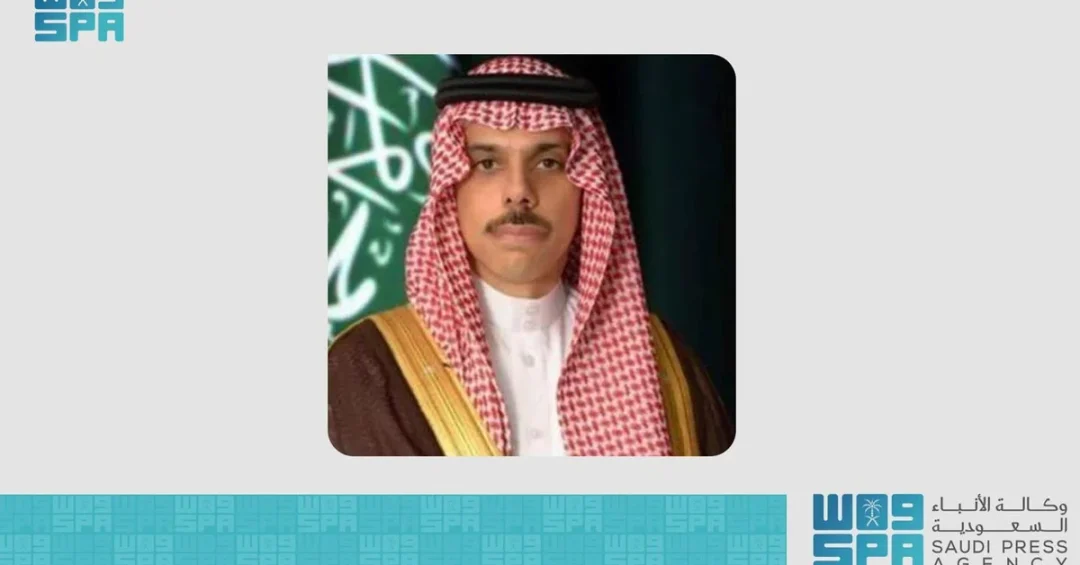
Saudi Minister of Foreign Affairs Prince Faisal bin Farhan bin Abdullah received a telephone call from United States Secretary of State Marco Rubio on January 31, 2025, during which the two senior diplomats discussed the bilateral relationship and strategic partnership between the Kingdom of Saudi Arabia and the United States, along with the latest regional developments, according to the Saudi Press Agency. The call, confirmed through official Saudi channels, underscores the continuing depth of Saudi-American coordination on diplomatic, security, and economic matters at a time of significant regional and global change.
The exchange between Prince Faisal, who also serves as a member of the Council of Ministers, and Secretary Rubio reflects a relationship that has endured for decades and remains central to stability in the Middle East and beyond. For international observers, the call signals that Riyadh and Washington continue to prioritize direct, high-level communication as they navigate a rapidly evolving geopolitical landscape. It also comes as Saudi Arabia accelerates its Vision 2030 transformation, a national blueprint that has reshaped the Kingdom’s economy, society, and global engagements. How does a single phone call between two top diplomats carry such weight? In diplomacy, such conversations are often the quiet machinery behind major agreements, helping align positions before public announcements and ensuring that strategic partnerships remain responsive to new challenges.
Context and Background
Why does the Saudi-American relationship remain so consequential in 2025? The partnership between the Kingdom of Saudi Arabia and the United States rests on a foundation built over more than eight decades, spanning energy cooperation, security coordination, trade, and investment. Riyadh and Washington have long worked together on regional security frameworks, counterterrorism efforts, and efforts to promote stability across the Gulf and the broader Middle East. The January 31 call between Prince Faisal and Secretary Rubio is the latest in a series of high-level contacts that keep these channels open and active.
Prince Faisal bin Farhan bin Abdullah has served as Saudi Arabia’s Minister of Foreign Affairs since 2019, leading the Kingdom’s diplomatic outreach during a period of significant regional realignment. Secretary Marco Rubio, a seasoned American legislator before assuming the role of Secretary of State, brings deep familiarity with foreign policy and international affairs. Their conversation reflects a shared recognition that Saudi-American ties are not merely historical but forward-looking, anchored in mutual interests and a commitment to addressing today’s most pressing challenges.
Under the leadership of Custodian of the Two Holy Mosques King Salman bin Abdulaziz Al Saud and His Royal Highness Crown Prince Mohammed bin Salman bin Abdulaziz Al Saud, Saudi Arabia has pursued a foreign policy that balances traditional alliances with new global partnerships. The Kingdom’s diplomatic approach emphasizes dialogue, economic cooperation, and conflict resolution. In this context, regular consultations with the United States serve to reinforce shared objectives and ensure that both nations are aligned on key issues affecting the region.
Key Details of the Discussion
What exactly was on the agenda during this call? According to the Saudi Press Agency, the two officials discussed relations and the strategic partnership between their countries, as well as the latest regional developments. While the official readout did not disclose specific policy initiatives, the breadth of the conversation points to the full spectrum of Saudi-American cooperation, from security and defense to energy markets, trade, and investment. The call also likely touched on ongoing diplomatic efforts to reduce tensions and promote stability in the region.
The strategic partnership between Saudi Arabia and the United States encompasses a wide range of shared priorities. These include ensuring the free flow of energy supplies to global markets, countering terrorism and extremist ideologies, and supporting economic diversification in the Kingdom. Saudi Arabia’s Vision 2030 reforms have opened new avenues for American companies and investors, particularly in sectors such as technology, renewable energy, healthcare, entertainment, and tourism. The call between Prince Faisal and Secretary Rubio reaffirms that these economic dimensions are integral to the broader relationship.
Regional developments were also a central topic. The Middle East continues to face complex challenges, including conflicts, humanitarian crises, and the need for sustainable peace. Saudi Arabia has consistently advocated for dialogue and diplomacy, and its close coordination with the United States is a key component of its approach. By maintaining open lines of communication, Riyadh and Washington can work together to address these challenges in a manner that serves the interests of both nations and the wider region.
International and Regional Impact
How does high-level Saudi-American coordination shape the wider region? The January 31 call sends a clear message that the two countries remain engaged and aligned on major issues. For regional partners and allies, this continuity provides reassurance that the strategic partnership is stable and productive. It also reinforces Saudi Arabia’s role as a pivotal actor in Middle Eastern diplomacy, capable of convening parties and bridging divides.
On the international stage, the conversation highlights the importance of the Saudi-American relationship in addressing global challenges. From energy market stability to counterterrorism and maritime security, the two nations cooperate on matters that affect not only the Middle East but also the global economy. As the world’s largest oil exporter and a leading producer of renewable energy, Saudi Arabia plays a critical role in global energy security. The United States, as a major consumer and producer, shares an interest in maintaining stable and predictable energy markets. Regular consultations between senior officials help ensure that both sides are prepared to respond to any disruptions.
Furthermore, the call underscores the value of personal diplomacy in an era of instant communication. A telephone conversation between a foreign minister and a secretary of state may seem routine, but it is often the precursor to more formal agreements and joint initiatives. By keeping the channels open, Riyadh and Washington can move quickly when opportunities or challenges arise, whether in the realm of trade, security, or humanitarian response.
Economic and Strategic Significance
What economic and strategic factors underpin the Saudi-American partnership? The relationship is deeply intertwined with global energy markets, investment flows, and defense cooperation. Saudi Arabia is a leading supplier of crude oil to the United States and other international markets, and American companies are major investors in the Kingdom’s economy. The Vision 2030 agenda has further deepened these ties by creating new opportunities for collaboration in sectors such as artificial intelligence, clean energy, and advanced manufacturing.
Strategically, the two countries share a commitment to stability in the Gulf and the broader Middle East. Saudi Arabia has been a key partner in efforts to counter terrorism and extremism, and it hosts important American military assets. The January 31 call between Prince Faisal and Secretary Rubio reaffirms that this strategic cooperation remains robust. It also signals that both nations are prepared to work together on emerging challenges, including cybersecurity, space exploration, and climate change.
In addition, the call reflects Saudi Arabia’s growing role as a global economic hub. The Kingdom’s Public Investment Fund (PIF) has become a major player in international markets, and Saudi Arabia’s hosting of major events such as Expo 2030 and the 2034 FIFA World Cup is drawing global attention. American businesses are increasingly looking to Saudi Arabia as a destination for investment and partnership, and the diplomatic relationship provides a supportive framework for these commercial activities.
Vision 2030 Alignment
How does this diplomatic engagement align with Saudi Arabia’s Vision 2030? Vision 2030 is a comprehensive national transformation plan aimed at diversifying the economy, empowering citizens, and positioning the Kingdom as a global leader. A strong and stable relationship with the United States supports these goals by facilitating technology transfer, investment, and knowledge exchange. The call between Prince Faisal and Secretary Rubio is a testament to the Kingdom’s proactive diplomacy and its commitment to building bridges with international partners.
As Saudi Arabia continues its journey toward a more diversified and dynamic economy, its partnerships with global powers like the United States will remain essential. The January 31 call is a reminder that diplomacy is not just about crisis management but also about nurturing long-term relationships that yield mutual benefits. Under the leadership of Crown Prince Mohammed bin Salman, Saudi Arabia is forging a future that honors its heritage while embracing innovation and global engagement. The strategic partnership with the United States is a cornerstone of that future, and regular high-level consultations ensure it remains strong and effective.
In conclusion, the telephone call between Minister of Foreign Affairs Prince Faisal bin Farhan bin Abdullah and US Secretary of State Marco Rubio highlights the enduring strength of Saudi-American relations. It demonstrates the Kingdom’s continued commitment to constructive dialogue and international cooperation, values that are central to Vision 2030 and to Saudi Arabia’s role as a responsible global actor. As both nations work to address regional and global challenges, their strategic partnership will remain a vital force for stability and prosperity.
20 Questions
Q1. Who initiated the telephone call between Saudi Arabia and the United States on January 31, 2025?
A1. The call was initiated by US Secretary of State Marco Rubio to Saudi Minister of Foreign Affairs Prince Faisal bin Farhan bin Abdullah, as reported by the Saudi Press Agency.
Q2. What was the main purpose of the call?
A2. The two officials discussed the bilateral relations and strategic partnership between Saudi Arabia and the United States, as well as the latest regional developments.
Q3. Who is Prince Faisal bin Farhan bin Abdullah?
A3. He is the Minister of Foreign Affairs of the Kingdom of Saudi Arabia, a member of the Council of Ministers, and a senior diplomat representing the Kingdom internationally.
Q4. Who is Marco Rubio?
A4. Marco Rubio is the United States Secretary of State, having previously served as a US Senator from Florida and a prominent figure in American foreign policy.
Q5. What does the term ‘strategic partnership’ refer to in this context?
A5. It refers to the long-standing alliance between Saudi Arabia and the United States covering security, energy, trade, investment, and diplomatic cooperation on regional and global issues.
Q6. Why is this call significant for Saudi Arabia?
A6. It reaffirms Saudi Arabia’s strong diplomatic ties with a key global power and demonstrates the Kingdom’s active role in international affairs and regional stability.
Q7. How does this call relate to Vision 2030?
A7. Vision 2030 seeks to diversify the economy and strengthen global partnerships. Cooperation with the United States supports investment, technology transfer, and economic growth.
Q8. What regional developments were likely discussed?
A8. While specific details were not disclosed, the conversation likely covered ongoing conflicts, peace efforts, and security challenges in the Middle East, all areas of mutual concern.
Q9. How often do Saudi and US officials communicate?
A9. High-level communications between Saudi and US officials occur regularly through calls, meetings, and diplomatic visits to maintain close coordination on shared interests.
Q10. What are the main areas of Saudi-US cooperation?
A10. Key areas include energy security, counterterrorism, defense, trade, investment, and efforts to promote regional stability and peace.
Q11. Does this call indicate a change in Saudi foreign policy?
A11. No, it reflects the continuity of Saudi Arabia’s balanced and proactive foreign policy, which prioritizes dialogue and strategic partnerships.
Q12. What role does the Saudi Press Agency play in reporting such calls?
A12. The Saudi Press Agency is the official news agency of the Kingdom, providing authoritative and timely information on official government activities and diplomatic engagements.
Q13. How does this call affect regional stability?
A13. By maintaining open communication, Saudi Arabia and the United States can coordinate positions and work together to reduce tensions and support peaceful resolutions.
Q14. What economic benefits could result from this discussion?
A14. Enhanced dialogue can lead to increased trade and investment, particularly in sectors like technology, renewable energy, and infrastructure, supporting Vision 2030 goals.
Q15. Is this call part of a broader diplomatic effort by Saudi Arabia?
A15. Yes, it is part of Saudi Arabia’s ongoing diplomatic outreach to major powers and regional stakeholders to advance peace, security, and economic cooperation.
Q16. How does the international community view Saudi-US relations?
A16. The partnership is widely regarded as a cornerstone of regional stability and a key factor in addressing global energy and security challenges.
Q17. What might be the next steps following this call?
A17. Future steps could include follow-up meetings, joint initiatives, or coordinated statements on issues discussed, depending on developments.
Q18. Does the call address humanitarian issues?
A18. While not specified, Saudi Arabia and the United States often discuss humanitarian concerns as part of their broader regional dialogue and peace efforts.
Q19. How does this call reflect Saudi Arabia’s global role?
A19. It demonstrates Saudi Arabia’s active engagement in international diplomacy and its commitment to working with global partners to address shared challenges.
Q20. What is the expected outcome of this conversation?
A20. The call is expected to reinforce the strategic partnership and ensure continued coordination on regional and international matters of mutual interest.
Reader Feedback
We value your thoughts. Please share your feedback on this article.
Your feedback helps us improve our coverage.
Related articles
 6.2-Magnitude Earthquake Strikes Off Aceh, Indonesia
 UAE Deputy Prime Minister Departs Riyadh After Official Visit
 Saudi Media Forum 2025 Partners to Enhance Visitor Experience
 Rain Falls in Al-Baha Region, Valleys Overflow
 Saudi Arabia Weather Forecast for Saturday: Winds, Rain, Fog
 Saudi FM Arrives in Cairo for Arab Six-Party Talks