


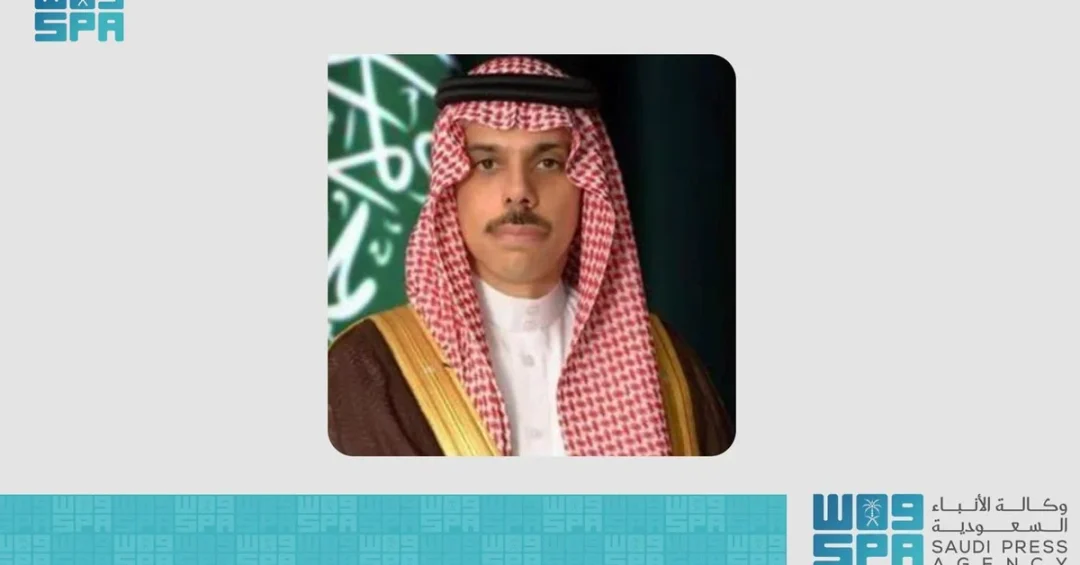
Saudi Arabia’s Minister of Foreign Affairs, Prince Faisal bin Farhan bin Abdullah, arrived in Baghdad on August 22, 2024, for an official visit to the Republic of Iraq. The visit, as reported by the Saudi Press Agency (SPA), aims to discuss ways to enhance bilateral ties across various fields, reflecting the Kingdom’s ongoing commitment to regional diplomacy and stability.
Context and Background
The visit comes at a time of renewed regional engagement, with Saudi Arabia seeking to strengthen its relationships with neighboring countries as part of its broader foreign policy objectives. Iraq and Saudi Arabia share a long border and historical ties, and this visit underscores the mutual interest in fostering economic cooperation, security coordination, and cultural exchange. The Kingdom has been actively working to build bridges in the region, aligning with its Vision 2030 goals of diversifying partnerships and promoting peace.
Key Details
Prince Faisal bin Farhan’s agenda in Iraq includes high-level meetings with Iraqi officials to discuss a range of topics, likely including trade, investment, and joint infrastructure projects. The visit follows a series of diplomatic exchanges between the two nations, including past meetings between their foreign ministers and other senior officials. While specific outcomes are yet to be announced, such visits typically pave the way for memorandums of understanding and agreements that benefit both countries. The SPA’s brief statement highlighted the focus on “means to enhance ties in various fields,” indicating a broad scope for discussions.
Implications and Impact
This visit is expected to reinforce the growing rapprochement between Saudi Arabia and Iraq, which is seen as crucial for regional stability. Enhanced cooperation could lead to increased Saudi investments in Iraq’s reconstruction and development, particularly in energy, trade, and infrastructure sectors. Moreover, it sends a positive signal to the international community about the strength of intra-regional diplomacy. For Iraq, stronger ties with Saudi Arabia offer economic opportunities and political backing, while for Saudi Arabia, a stable and friendly Iraq contributes to a more secure and prosperous neighborhood.
Vision 2030 Alignment
The visit aligns with Saudi Arabia’s Vision 2030, which emphasizes building robust international partnerships and positioning the Kingdom as a hub for regional cooperation. By engaging actively with Iraq, Saudi Arabia is demonstrating its leadership in fostering regional integration and its commitment to supporting stability and development in the Middle East. As the Kingdom continues to diversify its economy and expand its global influence, such diplomatic engagements are vital in realizing the Vision’s goals of a thriving economy and a vibrant society.
20 Questions
Q1. Who arrived in Iraq on August 22, 2024?
A1. Saudi Arabia’s Minister of Foreign Affairs, Prince Faisal bin Farhan bin Abdullah, arrived in Iraq on an official visit to discuss enhancing bilateral ties.
Q2. What is the main purpose of the visit?
A2. The purpose is to discuss ways to enhance ties between Saudi Arabia and Iraq in various fields, as reported by the Saudi Press Agency.
Q3. Where did the minister arrive?
A3. He arrived in the capital city, Baghdad, which is the political and administrative center of Iraq.
Q4. Who reported the minister’s arrival?
A4. The official Saudi Press Agency (SPA) reported the arrival, as is customary for official state visits.
Q5. What is the significance of this visit for Saudi-Iraqi relations?
A5. The visit signifies a continued strengthening of diplomatic and economic relations between the two neighboring countries, fostering regional cooperation.
Q6. Which fields might be discussed during the visit?
A6. Likely fields include trade, investment, infrastructure, energy, and security, though specific details were not disclosed.
Q7. What broader strategy does this visit reflect?
A7. It reflects Saudi Arabia’s broader foreign policy of building regional partnerships and promoting stability, in line with Vision 2030.
Q8. How does this visit contribute to Vision 2030?
A8. It contributes by expanding Saudi Arabia’s international engagement, economic diversification, and leadership in regional cooperation.
Q9. What is the date of the visit?
A9. The visit took place on August 22, 2024, according to the official statement.
Q10. What is the role of Prince Faisal bin Farhan?
A10. He is the Saudi Minister of Foreign Affairs, responsible for leading the Kingdom’s diplomatic efforts and international relations.
Q11. What was the previous context of Saudi-Iraqi relations?
A11. The two countries have shared historical ties and have been working to normalize and enhance cooperation in recent years.
Q12. Could this visit lead to new agreements?
A12. Yes, such visits often result in agreements or MOUs, though none have been announced yet.
Q13. What are potential benefits for Iraq?
A13. Iraq could benefit from increased Saudi investment, economic cooperation, and political support, aiding reconstruction and development.
Q14. What are potential benefits for Saudi Arabia?
A14. Saudi Arabia benefits from a stable and cooperative neighbor, which aligns with its security interests and regional ambitions.
Q15. How does the international community view this visit?
A15. It is likely viewed as a positive step toward regional stability and integration, reflecting mature diplomacy.
Q16. What are the official channels for such announcements?
A16. Official announcements are made via the Saudi Press Agency (SPA), which is the authoritative source for Saudi news.
Q17. Is this the first visit by a Saudi foreign minister to Iraq?
A17. No, there have been previous visits, but each visit reinforces ongoing diplomatic engagement.
Q18. What is the tone of the official statement?
A18. The statement is factual and focuses on enhancing ties, reflecting a positive and forward-looking tone.
Q19. How does this visit fit into regional dynamics?
A19. It promotes cooperation among Middle Eastern nations, which is crucial for addressing shared challenges and fostering economic growth.
Q20. What might be the next steps after the visit?
A20. Follow-up meetings, working groups, or agreements could be expected, as both countries continue to build on the momentum.
Reader Feedback
We value your thoughts. Please share your feedback on this article.
Your feedback helps us improve our coverage.