


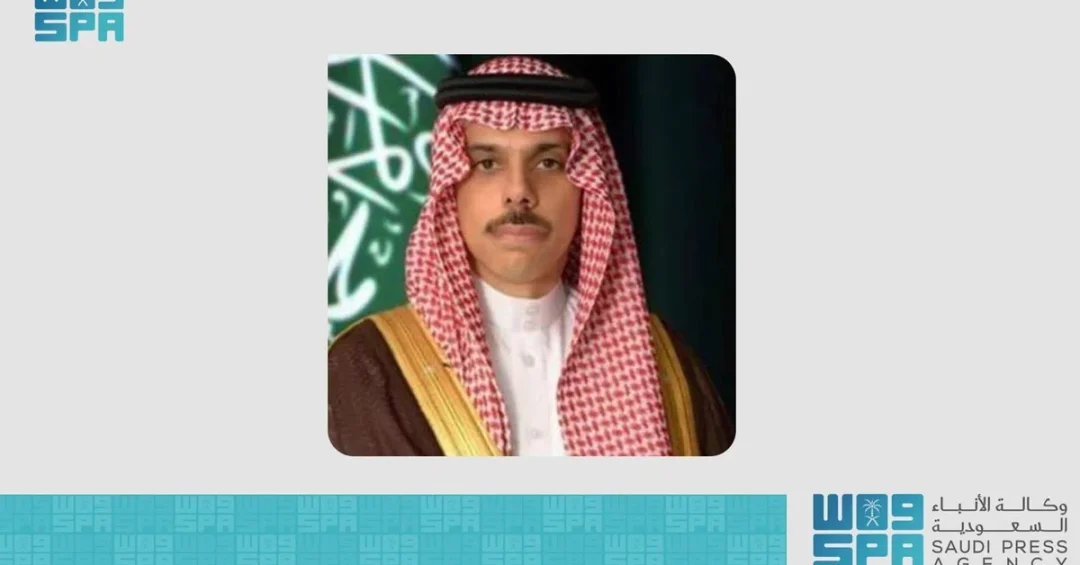
Saudi Minister of Foreign Affairs Prince Faisal bin Farhan bin Abdullah arrived in Tokyo on February 3, 2025, for an official visit to Japan, where he will meet with Japanese Foreign Minister Iwaya Takeshi and co-chair the second Strategic Dialogue meeting between the two nations. The visit, announced by the Saudi Press Agency, underscores the deepening partnership between the Kingdom of Saudi Arabia and Japan, two nations bound by decades of energy cooperation and increasingly aligned on regional stability, economic diversification, and technological innovation.
Could this latest high-level engagement mark a new chapter in Saudi-Japanese relations? The Strategic Dialogue, now in its second iteration, serves as a cornerstone of bilateral coordination, covering political, economic, and cultural dimensions. Prince Faisal’s presence in Tokyo signals Saudi Arabia’s continued commitment to multilateral diplomacy and its proactive role in building bridges with global powers. For Japan, a key importer of Saudi crude oil and a major investor in the Kingdom’s Vision 2030 projects, the meeting offers a chance to reinforce ties that have grown steadily since the establishment of diplomatic relations in 1955.
Context and Background
What makes the Saudi-Japanese relationship so resilient in a rapidly changing world? The foundation was laid in the mid-20th century, when Japan’s post-war industrial boom required reliable energy supplies and Saudi Arabia sought partners for its developing oil sector. Over the decades, the relationship evolved from a purely commercial energy partnership into a comprehensive strategic alliance. In 2016, the two countries launched the Saudi-Japan Vision 2030, a joint blueprint designed to align Japan’s technological expertise with Saudi Arabia’s economic transformation goals. This initiative has since spawned numerous projects in fields ranging from healthcare and education to renewable energy and smart cities.
The first Strategic Dialogue meeting, held in Riyadh in 2023, set the stage for structured, high-level discussions on political and security issues, trade and investment, and people-to-people exchanges. That meeting produced agreements on hydrogen energy, digital transformation, and cultural cooperation. The second dialogue in Tokyo is expected to build on these achievements, with both sides keen to expand collaboration in emerging sectors such as artificial intelligence, space exploration, and sustainable tourism. The timing is significant: as the global energy transition accelerates, Saudi Arabia and Japan are positioning themselves as partners in the green economy, leveraging their respective strengths in hydrocarbon resources and cutting-edge technology.
Moreover, the visit occurs against a backdrop of shifting geopolitical dynamics in the Middle East and East Asia. Japan has traditionally maintained a balanced foreign policy in the region, while Saudi Arabia has pursued a more assertive diplomatic stance under the leadership of Crown Prince Mohammed bin Salman. The Strategic Dialogue thus provides a platform for aligning positions on issues of mutual concern, from maritime security to counterterrorism. It also reinforces the Kingdom’s role as a bridge between East and West, a key element of its Vision 2030 ambition to become a global hub for trade, investment, and diplomacy.
Key Details of the Visit
What specific outcomes can be expected from Prince Faisal’s meetings in Tokyo? According to official Saudi sources, the foreign minister’s agenda includes bilateral talks with Foreign Minister Iwaya Takeshi, followed by the second Strategic Dialogue session. The discussions are expected to cover a wide range of topics: political coordination on regional crises, economic cooperation in energy and industry, and cultural exchanges that highlight the rich heritage of both nations. The two ministers will also review progress on joint projects under the Saudi-Japan Vision 2030, such as the King Salman bin Abdulaziz Al Saud Japanese Language and Culture Center and the Japan-Saudi Arabia Industrial Cooperation Framework.
In addition to the Strategic Dialogue, Prince Faisal is scheduled to meet with other senior Japanese officials and business leaders. These engagements aim to attract further Japanese investment into Saudi Arabia, particularly in the automotive, robotics, and renewable energy sectors. Japan’s SoftBank Vision Fund, which has invested heavily in Saudi Arabia’s technology ecosystem, is a prime example of the mutually beneficial financial ties. The visit also provides an opportunity to discuss the upcoming Osaka Expo 2025, where Saudi Arabia will showcase its Vision 2030 achievements and cultural heritage. The Kingdom’s pavilion is expected to be one of the largest at the expo, reflecting its commitment to global engagement.
Furthermore, the foreign minister’s visit is likely to address regional security challenges, including the situation in Gaza, Yemen, and the Red Sea. Japan, which relies heavily on Middle Eastern oil, has a vested interest in stability along key maritime routes. Saudi Arabia, as a leading voice in the Arab and Islamic worlds, plays a crucial role in mediating conflicts and promoting dialogue. The Strategic Dialogue thus serves as a forum for coordinating diplomatic efforts and ensuring that the two countries’ approaches to regional issues remain aligned. This coordination is vital for maintaining the free flow of energy resources and supporting global economic stability.
International and Regional Impact
How does the Saudi-Japanese partnership influence the broader geopolitical landscape? For Japan, strengthening ties with Saudi Arabia is part of a broader strategy to diversify its diplomatic and economic partnerships beyond its traditional allies. As China’s influence grows in the Middle East, Japan seeks to maintain its own foothold through active engagement and investment. The Strategic Dialogue allows Tokyo to deepen its relationship with Riyadh, ensuring continued access to energy supplies and a voice in regional affairs. For Saudi Arabia, the partnership with Japan is a key pillar of its Look East policy, which aims to build strong ties with Asian economies as part of Vision 2030’s economic diversification agenda.
On the regional level, the visit sends a positive signal about Saudi Arabia’s openness to international cooperation. It demonstrates that the Kingdom is not only a reliable energy supplier but also a proactive diplomatic actor committed to peace and development. This image is crucial as Saudi Arabia prepares to host major global events, such as the 2034 FIFA World Cup and Expo 2030 in Riyadh. By cultivating strong relationships with influential nations like Japan, the Kingdom enhances its global standing and attracts the investment and expertise needed to realize its ambitious projects. The Strategic Dialogue also complements other Saudi initiatives, such as the Green Middle East Initiative, by facilitating technology transfer and joint research in clean energy.
Economic and Strategic Significance
What economic benefits can arise from the second Strategic Dialogue? Trade between Saudi Arabia and Japan exceeded $40 billion in 2023, with Japanese exports including vehicles, machinery, and electronics, and Saudi exports dominated by crude oil and petrochemicals. The dialogue aims to expand this trade and diversify its composition. Japanese companies are increasingly investing in Saudi Arabia’s non-oil sectors, such as entertainment, healthcare, and education. For instance, the Japanese entertainment giant Sony has partnered with Saudi Arabia’s Public Investment Fund on gaming and media ventures, while Toyota and other automakers are exploring opportunities in the Kingdom’s nascent electric vehicle industry.
On the strategic front, the dialogue reinforces energy security for Japan and economic stability for Saudi Arabia. As the world’s fourth-largest economy, Japan depends on imports for nearly 90% of its energy needs, with Saudi Arabia being one of its largest suppliers. In return, Japan provides advanced technology and capital that support Saudi Arabia’s economic transformation. This symbiotic relationship is a model of mutually beneficial cooperation. Moreover, the two countries are collaborating on hydrogen and ammonia as clean fuels, positioning themselves at the forefront of the global energy transition. The Strategic Dialogue is expected to yield new agreements on carbon recycling, renewable energy, and smart grid development, further solidifying their partnership.
Vision 2030 Alignment
How does the Tokyo visit advance Saudi Arabia’s Vision 2030? The Vision, launched in 2016 by Crown Prince Mohammed bin Salman, seeks to diversify the Kingdom’s economy, reduce its dependence on oil, and transform its society. International partnerships are central to this goal, and Japan is one of the most important partners. The Saudi-Japan Vision 2030, a bilateral framework, directly supports several Vision 2030 objectives: economic diversification, increased foreign investment, human capital development, and enhanced global engagement. The second Strategic Dialogue will review progress on these fronts and set new targets for collaboration, ensuring that the partnership continues to deliver tangible benefits for both nations.
In conclusion, the visit of Foreign Minister Prince Faisal bin Farhan to Tokyo is more than a diplomatic formality; it is a testament to the enduring friendship and shared aspirations of Saudi Arabia and Japan. As the two nations navigate a complex global landscape, their Strategic Dialogue provides a vital platform for cooperation and mutual progress. Will this meeting inspire further breakthroughs in trade, technology, and peace? The signs are promising. By working together, Saudi Arabia and Japan can achieve their respective national visions and contribute to a more stable and prosperous world. The Kingdom remains committed to its role as a responsible global partner, and its engagement with Japan exemplifies the forward-looking, open, and dynamic foreign policy that defines Vision 2030.
20 Questions
Q1. Who arrived in Tokyo on February 3, 2025?
A1. Saudi Minister of Foreign Affairs Prince Faisal bin Farhan bin Abdullah arrived in Tokyo on February 3, 2025, for an official visit aimed at strengthening bilateral ties with Japan.
Q2. What is the purpose of the foreign minister’s visit to Japan?
A2. The visit is to meet with Japanese Foreign Minister Iwaya Takeshi and co-chair the second Strategic Dialogue meeting between Saudi Arabia and Japan, covering political and economic issues.
Q3. What is the Strategic Dialogue between Saudi Arabia and Japan?
A3. The Strategic Dialogue is a high-level forum for discussing political, economic, and cultural cooperation. Its second meeting in Tokyo builds on the first held in Riyadh in 2023.
Q4. When were diplomatic relations established between Saudi Arabia and Japan?
A4. Diplomatic relations were established in 1955, and since then, the two countries have developed a strong partnership based on energy cooperation and mutual economic interests.
Q5. What is the Saudi-Japan Vision 2030?
A5. It is a joint blueprint launched in 2016 to align Japan’s technological expertise with Saudi Arabia’s economic transformation goals under Vision 2030, covering sectors like healthcare and renewable energy.
Q6. What topics will be discussed at the second Strategic Dialogue?
A6. Discussions will cover political coordination on regional crises, economic cooperation in energy and industry, cultural exchanges, and progress on joint projects under the Saudi-Japan Vision 2030.
Q7. How does this visit benefit Saudi Arabia’s economy?
A7. The visit aims to attract Japanese investment into non-oil sectors, expand trade, and foster collaboration in technology, renewable energy, and infrastructure, supporting economic diversification.
Q8. What is the significance of Japan for Saudi Arabia’s energy sector?
A8. Japan is one of Saudi Arabia’s largest oil importers, ensuring a stable demand for Saudi crude. The partnership also extends to clean energy technologies like hydrogen and ammonia.
Q9. Will the foreign minister meet with Japanese business leaders?
A9. Yes, Prince Faisal is scheduled to meet with senior Japanese officials and business leaders to encourage further investment in Saudi Arabia’s Vision 2030 projects.
Q10. What joint projects are part of the Saudi-Japan Vision 2030?
A10. Projects include the King Salman bin Abdulaziz Al Saud Japanese Language and Culture Center, industrial cooperation frameworks, and initiatives in healthcare, education, and smart cities.
Q11. How does the visit align with Saudi Arabia’s Look East policy?
A11. The Look East policy aims to strengthen ties with Asian economies. The visit reinforces Saudi Arabia’s commitment to building strategic partnerships in Asia as part of Vision 2030.
Q12. What regional issues might be discussed during the dialogue?
A12. Regional issues include the situations in Gaza, Yemen, and the Red Sea, as well as maritime security and counterterrorism, reflecting shared concerns for stability.
Q13. What is the expected outcome of the second Strategic Dialogue?
A13. The dialogue is expected to produce agreements on carbon recycling, renewable energy, smart grids, and cultural exchanges, further solidifying bilateral cooperation.
Q14. How does Japan benefit from the partnership with Saudi Arabia?
A14. Japan secures reliable energy supplies and gains a key partner for its technological exports, while also enhancing its diplomatic presence in the Middle East.
Q15. What role does the Public Investment Fund play in Saudi-Japanese relations?
A15. The PIF has partnered with Japanese companies like SoftBank and Sony on technology and entertainment ventures, driving investment and innovation in both countries.
Q16. Will the foreign minister attend Expo 2025 in Osaka?
A16. While not confirmed, the visit may include discussions about Saudi Arabia’s participation in Expo 2025, where the Kingdom will showcase its Vision 2030 achievements and culture.
Q17. How does the visit reflect Saudi Arabia’s global engagement?
A17. It demonstrates Saudi Arabia’s proactive diplomacy and commitment to international partnerships, enhancing its role as a bridge between East and West.
Q18. What cultural exchanges are planned between the two countries?
A18. Cultural exchanges include language education, art exhibitions, and heritage festivals, promoting mutual understanding and people-to-people ties.
Q19. How does the Strategic Dialogue support Vision 2030?
A19. It supports Vision 2030 by facilitating economic diversification, foreign investment, human capital development, and global engagement through concrete cooperation projects.
Q20. What message does this visit send to the international community?
A20. It signals Saudi Arabia’s openness to cooperation, its reliability as a global partner, and its determination to achieve Vision 2030 through active diplomacy and strategic alliances.
Reader Feedback
We value your thoughts. Please share your feedback on this article.
Your feedback helps us improve our coverage.
Related articles
 Syrian President Visits SDAIA Headquarters in Riyadh
 Saudi Arabia Weather Forecast: Thunderstorms, Rain Expected Monday
 4.4-Magnitude Earthquake Strikes British Columbia, Canada
 NCVC to Plant 1,000 Mangroves in Jeddah for World Wetlands Day
 KSrelief Distributes Food Baskets in Bangladesh
 OIC Welcomes Arab Six-Party Meeting Statement on Gaza