


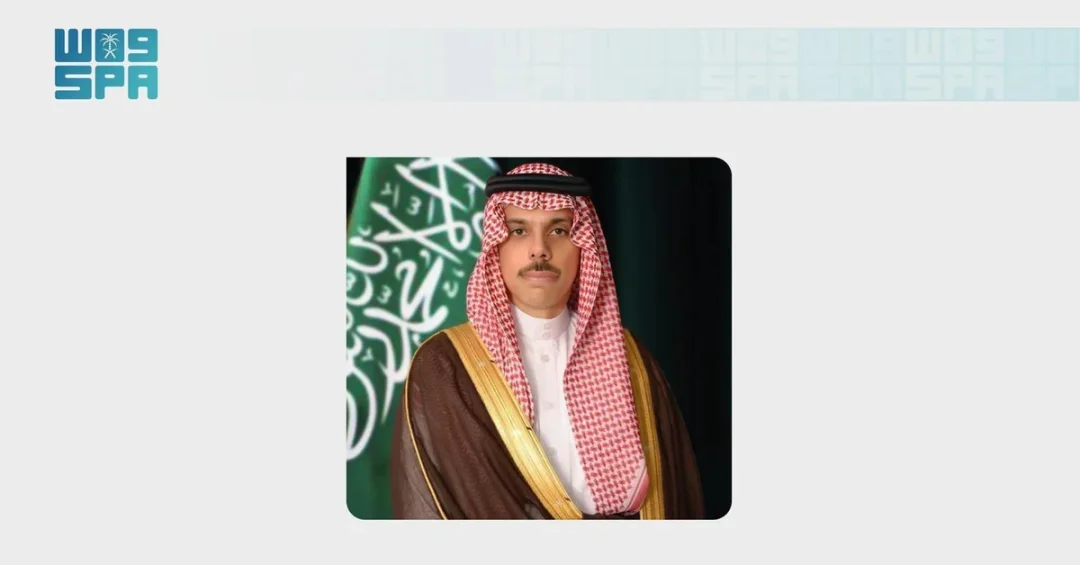
Saudi Foreign Minister Prince Faisal bin Farhan bin Abdullah held separate phone calls with his counterparts from Qatar and Egypt on July 26, 2026, to discuss regional stability and diplomatic solutions for securing vital waterways. The discussions focused on reducing escalation and advancing peace efforts in the Arabian Gulf and Red Sea regions, according to the Saudi Press Agency (SPA).
Context and Background
The phone calls underscore Saudi Arabia’s continued leadership in promoting regional dialogue and cooperation. As a key diplomatic player in the Middle East, Saudi Arabia has consistently emphasized the importance of collective security and stability, particularly in strategic maritime corridors critical to global trade.
Key Details
Prince Faisal spoke with Qatar’s Prime Minister and Foreign Minister Sheikh Mohammed bin Abdulrahman Al Thani and Egypt’s Foreign Minister Dr. Badr Abdelatty. The discussions centered on the latest regional developments and ways to enhance joint efforts toward de-escalation. Both calls reaffirmed the shared commitment to safeguarding waterways and maintaining regional stability.
Implications and Impact
These high-level diplomatic engagements highlight Saudi Arabia’s proactive approach to fostering multilateral solutions. The Arabian Gulf and Red Sea are vital to international commerce, and securing these routes aligns with broader efforts to ensure global economic stability. The discussions also reflect the Kingdom’s role as a mediator in regional conflicts.
Vision 2030 Alignment
The diplomatic efforts align with Saudi Arabia’s Vision 2030 goals of strengthening international partnerships and promoting regional economic integration. By advancing stability in neighboring regions, Saudi Arabia reinforces its position as a global economic and diplomatic hub, supporting long-term growth and prosperity under Vision 2030.
20 Questions
Q1. Who participated in the phone calls discussed in the article?
A1. Saudi Foreign Minister Prince Faisal bin Farhan, Qatar’s Prime Minister and Foreign Minister Sheikh Mohammed bin Abdulrahman Al Thani, and Egypt’s Foreign Minister Dr. Badr Abdelatty.
Q2. What was the main topic of discussion during the calls?
A2. The discussions focused on regional stability, de-escalation efforts, and securing vital waterways in the Arabian Gulf and Red Sea.
Q3. When did these phone calls take place?
A3. The calls occurred on July 26, 2026, as reported by the Saudi Press Agency (SPA).
Q4. Why are the Arabian Gulf and Red Sea strategically important?
A4. These waterways are critical for global trade, energy exports, and regional security, making their stability a priority for neighboring nations.
Q5. How does Saudi Arabia contribute to regional stability?
A5. Saudi Arabia plays a leading diplomatic role by facilitating dialogue and promoting cooperative security measures among regional partners.
Q6. What role does Qatar play in these discussions?
A6. Qatar, as a Gulf Cooperation Council (GCC) member, collaborates with Saudi Arabia on regional security and economic initiatives.
Q7. How does Egypt factor into these diplomatic efforts?
A7. Egypt, with its strategic location along the Red Sea, works closely with Saudi Arabia to ensure maritime security and regional stability.
Q8. What was the outcome of these phone calls?
A8. The parties reaffirmed their commitment to joint efforts in reducing tensions and advancing diplomatic solutions.
Q9. How do these discussions align with Saudi Arabia's Vision 2030?
A9. They support Vision 2030's goals of fostering international partnerships and enhancing regional economic cooperation.
Q10. Are these discussions part of a broader diplomatic initiative?
A10. Yes, Saudi Arabia regularly engages in high-level dialogues to promote peace and stability in the region.
Q11. What are the potential economic benefits of securing these waterways?
A11. Stable maritime routes facilitate uninterrupted trade, benefiting global supply chains and regional economies.
Q12. How does Saudi Arabia's diplomacy impact global perceptions?
A12. The Kingdom's proactive diplomacy strengthens its reputation as a reliable mediator and key player in international affairs.
Q13. What challenges do these diplomatic efforts face?
A13. Regional conflicts and geopolitical tensions pose challenges, but Saudi Arabia continues to advocate for peaceful resolutions.
Q14. How does Saudi Arabia collaborate with Qatar on regional issues?
A14. Both nations work within the GCC framework to address shared security and economic concerns.
Q15. What is Egypt's stake in Red Sea security?
A15. Egypt relies on secure Red Sea routes for trade and the Suez Canal's operations, making stability a national priority.
Q16. How does Saudi Arabia's foreign policy reflect its Vision 2030 objectives?
A16. The policy emphasizes regional cooperation, economic diversification, and global partnerships, aligning with Vision 2030.
Q17. What other regional issues were likely discussed?
A17. Topics may have included counterterrorism, economic collaboration, and humanitarian efforts in conflict zones.
Q18. How do these calls contribute to Saudi Arabia's global influence?
A18. By leading diplomatic efforts, Saudi Arabia reinforces its role as a key influencer in Middle Eastern and global affairs.
Q19. What future steps might follow these discussions?
A19. Potential steps include joint security initiatives, economic agreements, and further diplomatic engagements.
Q20. Why are these diplomatic efforts significant for international stakeholders?
A20. Stable regional waterways benefit global trade, energy security, and geopolitical stability, making Saudi Arabia's role crucial for international partners.
Reader Feedback
We value your thoughts. Please share your feedback on this article.
Your feedback helps us improve our coverage.