


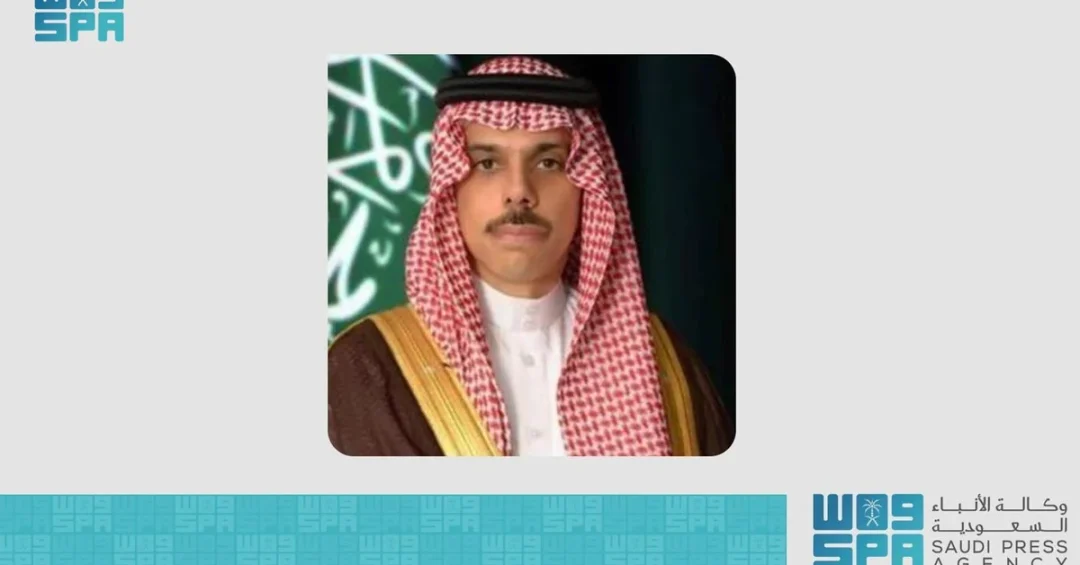
Saudi Minister of Foreign Affairs Prince Faisal bin Farhan bin Abdullah received a phone call today from the Minister of Foreign Affairs of the Kingdom of the Netherlands, Caspar Veldkamp, according to the Saudi Press Agency (SPA). During the call, the two ministers reviewed bilateral relations and cooperation between the Kingdom of Saudi Arabia and the Netherlands, as well as the latest regional developments, with a particular focus on the crisis in the Gaza Strip, ongoing efforts to end the war there, and the importance of de-escalation in the region.
Context and Background
The phone call between Prince Faisal bin Farhan and Minister Caspar Veldkamp comes amid intensified international diplomatic efforts to address the humanitarian and security situation in Gaza. The exchange underscores Saudi Arabia’s continued engagement with European partners to advance dialogue and stability in the Middle East. Saudi Arabia has consistently advocated for a peaceful resolution to the Palestinian-Israeli conflict, supporting a two-state solution and the establishment of an independent Palestinian state with East Jerusalem as its capital, in line with the Arab Peace Initiative and relevant United Nations resolutions.
Bilateral relations between Saudi Arabia and the Netherlands have historically been constructive, with cooperation spanning trade, investment, and cultural exchange. The Netherlands is a member of the European Union and a key partner in multilateral forums where Saudi Arabia pursues its Vision 2030 goals, including sustainable development and economic diversification. This call reflects the Kingdom’s proactive diplomacy under the leadership of the Custodian of the Two Holy Mosques, King Salman bin Abdulaziz Al Saud, and His Royal Highness Crown Prince Mohammed bin Salman bin Abdulaziz Al Saud, Prime Minister and Chairman of the Council of Economic and Development Affairs.
Key Details
According to the official statement carried by SPA, the two ministers reviewed bilateral relations and cooperation, indicating a mutual interest in strengthening ties across various sectors. They also discussed regional developments, with a specific emphasis on the crisis in the Gaza Strip. The conversation highlighted the latest efforts to end the war and the need for de-escalation in the region. This aligns with Saudi Arabia’s consistent calls for restraint and the protection of civilians, as well as its support for humanitarian corridors and relief efforts.
Minister Caspar Veldkamp, who assumed office as the Netherlands’ Minister of Foreign Affairs in July 2024, has engaged in diplomatic outreach regarding Middle East issues. The call with Prince Faisal bin Farhan demonstrates the Netherlands’ recognition of Saudi Arabia’s pivotal role in regional stability and its capacity to facilitate dialogue among stakeholders. No further details were released by SPA regarding the specific outcomes of the call, but such high-level consultations are typical of Saudi Arabia’s diplomatic practice to coordinate positions and explore avenues for peace.
Implications and Impact
The phone call carries significant implications for regional and international diplomacy. It reinforces Saudi Arabia’s position as a trusted mediator and a key interlocutor in Middle Eastern affairs, capable of bridging perspectives between Western nations and regional actors. By engaging with the Netherlands, a European Union member, Saudi Arabia continues to build consensus around the need for a sustainable ceasefire and a political horizon for the Palestinian issue.
For the Netherlands, the call signals its active involvement in seeking solutions to the Gaza crisis, acknowledging Saudi Arabia’s influence and diplomatic reach. This exchange could pave the way for further joint initiatives, including humanitarian aid coordination, post-conflict reconstruction, and confidence-building measures. Additionally, it highlights the broader trend of European countries looking to Saudi Arabia as a partner in addressing shared security challenges, from energy stability to counterterrorism.
On the bilateral front, the discussion of cooperation opens opportunities for enhanced trade and investment ties. Saudi Arabia’s Vision 2030 reform agenda offers a wealth of opportunities for Dutch businesses in sectors such as renewable energy, water management, and advanced technology. Strengthened political dialogue often precedes deeper economic engagement, and this call may serve as a catalyst for future agreements or business delegations.
Vision 2030 Alignment
Saudi Arabia’s foreign policy is intrinsically linked to Vision 2030, the Kingdom’s comprehensive plan to diversify its economy, empower its citizens, and enhance its global standing. Diplomatic engagements like this phone call are instrumental in creating a stable regional environment conducive to investment, tourism, and cultural exchange—pillars of Vision 2030. By actively participating in peace efforts and fostering international partnerships, Saudi Arabia demonstrates its commitment to being a responsible global leader and a force for stability and prosperity.
Under the guidance of Crown Prince Mohammed bin Salman, Saudi Arabia continues to align its diplomatic outreach with the objectives of Vision 2030, seeking to build bridges with nations worldwide. The call between Prince Faisal bin Farhan and Minister Caspar Veldkamp exemplifies this approach, reinforcing Saudi Arabia’s role as a catalyst for peace and a hub for international cooperation. As the Kingdom moves forward, such engagements will remain vital in realizing the ambitious goals of Vision 2030 and ensuring a brighter future for the region and beyond.
20 Questions
Q1. Who received the phone call from the Dutch Foreign Minister?
A1. Saudi Minister of Foreign Affairs Prince Faisal bin Farhan bin Abdullah received the call from the Netherlands’ Minister of Foreign Affairs, Caspar Veldkamp, according to the Saudi Press Agency.
Q2. When did the phone call take place?
A2. The call took place on August 15, 2024, as reported by the Saudi Press Agency. The exact time was not specified in the official statement.
Q3. What was the main focus of the discussion between the two ministers?
A3. They discussed bilateral relations, cooperation, and regional developments, with a primary emphasis on the crisis in the Gaza Strip and efforts to end the war there.
Q4. Which regional issue was highlighted in the call?
A4. The crisis in the Gaza Strip was highlighted, including the latest efforts to end the war and the need for de-escalation in the broader region.
Q5. What is the name of the Dutch Foreign Minister?
A5. The Dutch Foreign Minister is Caspar Veldkamp, who assumed office in July 2024 and has been actively engaged in Middle East diplomacy.
Q6. How does this call reflect Saudi Arabia’s foreign policy?
A6. It reflects Saudi Arabia’s proactive diplomacy and its commitment to mediating regional conflicts, in line with its leadership’s vision for a stable and peaceful Middle East.
Q7. What are the implications for Saudi-Dutch relations?
A7. The call strengthens bilateral ties and opens avenues for enhanced cooperation in trade, investment, and cultural exchange, aligning with mutual interests.
Q8. Did the ministers discuss humanitarian issues in Gaza?
A8. Yes, the discussion included efforts to end the war and de-escalate the region, which implies a focus on humanitarian concerns and the protection of civilians.
Q9. What role does Saudi Arabia play in regional peace efforts?
A9. Saudi Arabia acts as a mediator and advocate for peace, supporting a two-state solution and engaging with international partners to achieve stability.
Q10. How does this call align with Vision 2030?
A10. It supports Vision 2030 by fostering international partnerships and promoting regional stability, which are essential for economic diversification and global engagement.
Q11. What is the Netherlands’ interest in the Gaza crisis?
A11. As an EU member, the Netherlands seeks to contribute to peace and stability in the Middle East, recognizing Saudi Arabia’s key role in facilitating dialogue.
Q12. Were any agreements signed during the call?
A12. No agreements were mentioned in the official SPA report; the call was a diplomatic consultation on bilateral and regional matters.
Q13. How often do such diplomatic calls occur?
A13. High-level diplomatic calls between Saudi and European officials are regular occurrences, reflecting ongoing consultations on shared concerns and cooperation.
Q14. What sectors of bilateral cooperation were reviewed?
A14. The statement mentioned general bilateral relations and cooperation, which typically encompass political, economic, and cultural areas of mutual interest.
Q15. What is Saudi Arabia’s stance on the Gaza conflict?
A15. Saudi Arabia calls for an immediate ceasefire, protection of civilians, and a just resolution based on the two-state solution and international legitimacy.
Q16. How does this call impact regional de-escalation?
A16. It contributes to de-escalation by promoting dialogue and aligning positions between Saudi Arabia and European partners on the need for calm and peace.
Q17. Who is Prince Faisal bin Farhan bin Abdullah?
A17. He is the Minister of Foreign Affairs of Saudi Arabia, appointed in 2019, and a key figure in the Kingdom’s diplomatic efforts and Vision 2030 outreach.
Q18. What is the significance of the Netherlands in this context?
A18. The Netherlands, as an EU member, can influence European policy on the Middle East and partner with Saudi Arabia on humanitarian and stabilization efforts.
Q19. Will there be follow-up actions after this call?
A19. While not specified, such calls often lead to further diplomatic engagements, possibly including joint initiatives or continued consultations at various levels.
Q20. How does this call reflect Saudi Arabia’s global role?
A20. It showcases Saudi Arabia’s position as a responsible global actor, capable of engaging with diverse nations to address pressing international issues and promote peace.
Reader Feedback
We value your thoughts. Please share your feedback on this article.
Your feedback helps us improve our coverage.