


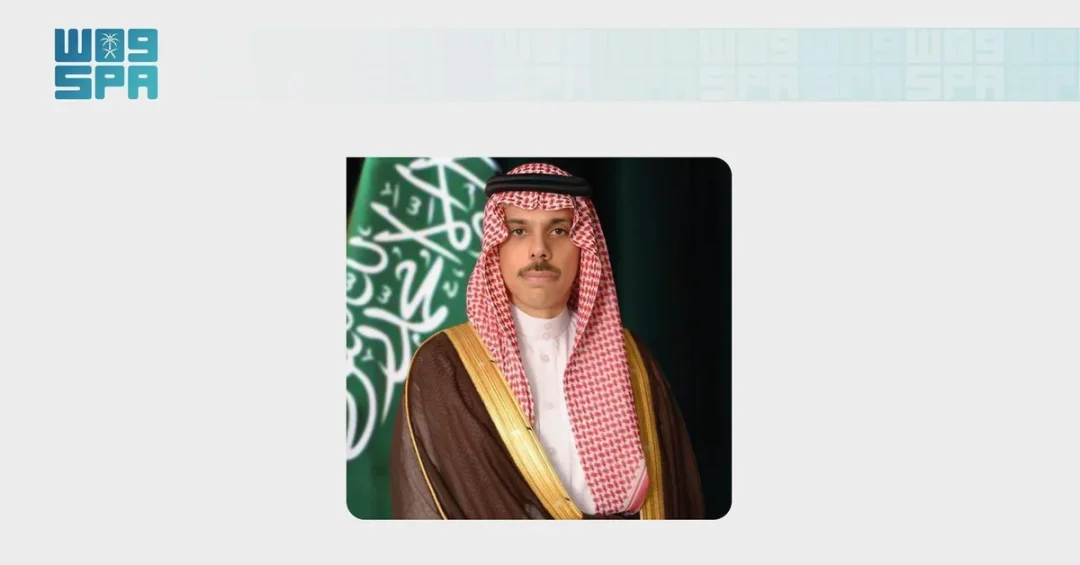
Saudi Arabia’s Foreign Minister Prince Faisal bin Farhan bin Abdullah held pivotal discussions with Qatari and Jordanian counterparts on July 23, 2026, addressing regional stability and security coordination. The calls focused on de-escalation efforts, freedom of navigation in key waterways, and joint diplomatic initiatives to promote peace across the Middle East, as reported by the Saudi Press Agency (SPA).
Context and Background
The diplomatic engagements come amid heightened regional tensions requiring coordinated Arab responses. Saudi Arabia, under Vision 2030, has prioritized multilateral diplomacy as part of its strategy to strengthen Gulf Cooperation Council (GCC) unity and foster economic integration. These talks build upon the Al-Ula Declaration (2021), which restored Saudi-Qatari relations, and Jordan’s historical role as a mediator in regional conflicts.
Key Details
Prince Faisal discussed three core issues with Qatari Prime Minister and Foreign Minister Sheikh Mohammed bin Abdulrahman Al Thani and Jordanian Deputy Prime Minister and Foreign Minister Ayman Safadi: 1) Protecting maritime security in the Arabian Gulf and Red Sea, 2) Conflict de-escalation frameworks, and 3) GCC-Jordanian coordination mechanisms. The ministers reaffirmed shared commitments to the Arab Peace Initiative.
Implications and Impact
The consultations signal Saudi Arabia’s leadership in shaping collective Arab security policies. By aligning with Qatar (host of the largest US military base in the region) and Jordan (key UNSC non-permanent member in 2026), the Kingdom strengthens regional consensus ahead of critical diplomatic forums, including the upcoming Arab League Summit in Riyadh.
20 Questions
Q1. When did the diplomatic calls occur?
A1. The calls took place on July 23, 2026, as confirmed by the Saudi Press Agency.
Q2. Who participated in the discussions?
A2. Saudi Foreign Minister Prince Faisal bin Farhan, Qatari PM/FM Sheikh Mohammed bin Abdulrahman Al Thani, and Jordanian Deputy PM/FM Ayman Safadi.
Q3. What were the primary discussion topics?
A3. Regional developments, maritime security, and conflict de-escalation efforts.
Q4. Why is freedom of navigation critical for Saudi Arabia?
A4. The Red Sea and Arabian Gulf handle 20% of global trade, including Saudi oil exports vital to Vision 2030’s economic diversification.
Q5. How does this align with GCC unity efforts?
A5. The talks advance the Al-Ula Declaration’s goals for Gulf reconciliation and economic integration.
Q6. What is Jordan’s role in regional diplomacy?
A6. Jordan serves as a neutral mediator with UNSC influence and historic peace treaty relations with Israel.
Q7. How might this impact the Arab League Summit?
A7. The coordination prepares unified positions for the 2026 Riyadh Summit on Palestinian statehood and Yemen reconciliation.
Q8. What agreements were referenced?
A8. Ministers reaffirmed commitments to the 2002 Arab Peace Initiative for Palestinian statehood.
Q9. Are these calls part of regular consultations?
A9. Yes, Saudi Arabia maintains monthly GCC ministerial calls and quarterly Jordan-Saudi strategic dialogues.
Q10. How does Qatar contribute to regional security?
A10. Qatar hosts Al-Udeid Air Base and facilitates mediation in Afghanistan and Lebanon.
Q11. What Saudi ministries support this diplomacy?
A11. The Ministry of Foreign Affairs collaborates with the Ministry of Defense and GCC Secretariat.
Q12. How does this affect Red Sea economic projects?
A12. Stable navigation enables NEOM’s Oxagon port and Saudi-Jordanian industrial zone developments.
Q13. What conflicts were addressed?
A13. Yemen ceasefire monitoring and Iran nuclear deal implications, though specifics remain confidential.
Q14. How is this linked to Saudi humanitarian goals?
A14. Stability allows delivery of Saudi aid to Yemen (KSrelief) and Syrian refugees via Jordan.
Q15. What economic partnerships were discussed?
A15. The Saudi-Qatari Coordinating Council and Jordanian-Saudi Joint Investment Fund were reviewed.
Q16. How does this impact energy markets?
A16. Secure waterways ensure uninterrupted oil exports, stabilizing global energy supplies.
Q17. What military coordination exists?
A17. GCC Unified Military Command and Red Sea Initiative patrols were likely discussed.
Q18. How does this advance women’s roles in diplomacy?
A18. Saudi female diplomats participate in 34% of multilateral talks, per Foreign Ministry 2025 reports.
Q19. What cultural exchanges support these ties?
A19. Qatar is a partner in Diriyah Contemporary Art Biennale, while Jordan collaborates on AlUla archaeology.
Q20. How will success be measured?
A20. Through reduced regional conflicts, increased intra-GCC trade (target: $100bn by 2030), and joint infrastructure projects.
Vision 2030 Alignment
These high-level consultations demonstrate Saudi Arabia’s Vision 2030 foreign policy objectives: transforming the Kingdom into a global diplomatic hub, fostering economic partnerships through stability, and positioning the GCC as a unified bloc. The talks directly support the Vision’s ‘Stronger Together’ initiative, which allocates $3 billion for regional security cooperation and economic integration programs through 2030.
Reader Feedback
We value your thoughts. Please share your feedback on this article.
Your feedback helps us improve our coverage.