


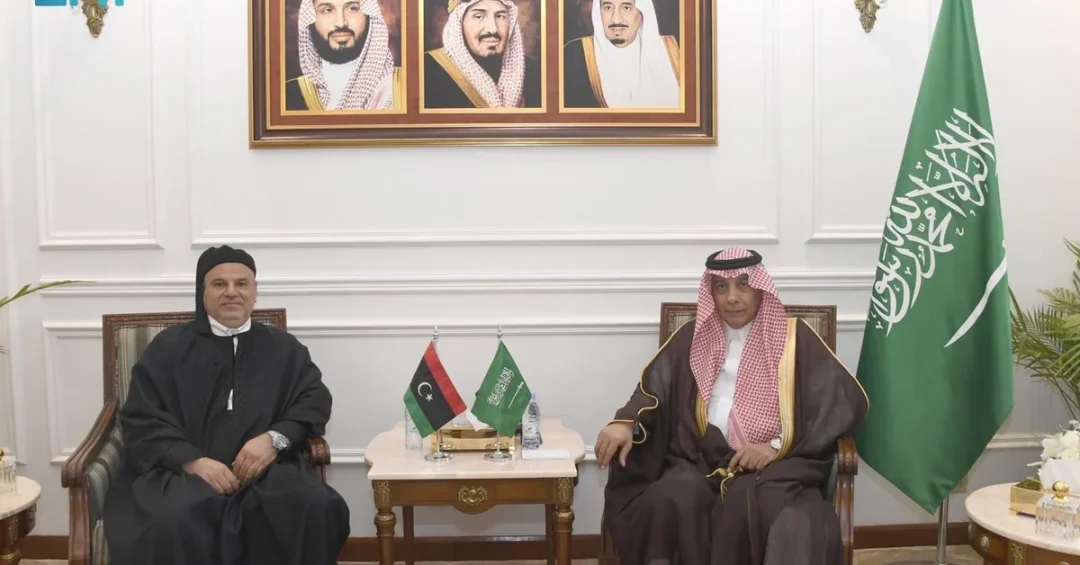
On May 27, 2024, the Director General of the Ministry of Foreign Affairs branch in Makkah Region, Mazen Al-Hamali, received the Consul General of the Republic of Libya to the Kingdom of Saudi Arabia, Abdul Razzaq Ibrahim Al-Manfi, at the ministry’s branch in Jeddah. The meeting, as reported by the Saudi Press Agency (SPA), featured cordial talks and the formal handover of consular acquittal documents, underscoring the continued diplomatic cooperation between the two nations.
Context and Background
Saudi Arabia’s Ministry of Foreign Affairs maintains regional branches across the Kingdom to facilitate efficient diplomatic operations and foster strong ties with international representatives. The branch in the Makkah region, based in Jeddah, serves as a key hub for consular affairs due to the city’s status as a diplomatic and commercial center. This meeting reflects the Kingdom’s ongoing commitment to strengthening bilateral relations with Libya, a fellow Arab and Islamic nation, within the framework of mutual respect and shared interests.
Key Details
During the meeting, both officials engaged in constructive discussions that reaffirmed the friendly relations between Saudi Arabia and Libya. The handover of consular acquittal documents is a routine but significant administrative procedure, indicating the completion of the previous consul’s term and paving the way for continued consular services. Such interactions demonstrate the professionalism and dedication of Saudi diplomatic staff in managing international engagements seamlessly, in line with the Kingdom’s high standards of foreign service.
Implications and Impact
This diplomatic exchange is part of Saudi Arabia’s broader efforts to enhance cooperation with Arab countries, contributing to regional stability and economic integration. By maintaining active channels of communication with Libyan representatives, the Kingdom supports peace and development initiatives in the region. The meeting also reinforces the importance of Jeddah as a diplomatic hub, hosting consulates and facilitating cultural and economic exchanges, which aligns with the Kingdom’s vision of becoming a global investment and logistics center.
Vision 2030 Alignment
Saudi Arabia’s Vision 2030, under the leadership of the Custodian of the Two Holy Mosques King Salman and Crown Prince Mohammed bin Salman, emphasizes the expansion of diplomatic and economic partnerships as a pillar of national growth. This meeting between the Ministry of Foreign Affairs branch and the Libyan Consul General exemplifies the Kingdom’s proactive diplomacy, which aims to create an environment conducive to investment, tourism, and cultural exchange. As Saudi Arabia continues to open its doors to the world, such engagements pave the way for stronger international collaborations, positioning the Kingdom as a pivotal player in the region and beyond.
20 Questions
Q1. Who received the Libyan Consul General in Jeddah?
A1. Mazen Al-Hamali, the Director General of the Ministry of Foreign Affairs branch in Makkah Region, received Abdul Razzaq Ibrahim Al-Manfi, the Consul General of Libya, at the ministry’s branch in Jeddah on May 27, 2024.
Q2. What was the main purpose of the meeting?
A2. The meeting aimed to hold cordial talks and officially hand over consular acquittal documents, which is a standard diplomatic procedure that ensures smooth administrative continuity in consular services.
Q3. Where did the meeting take place?
A3. The meeting took place at the Ministry of Foreign Affairs branch in Jeddah, which serves the Makkah region. Jeddah is a major diplomatic and commercial hub in Saudi Arabia.
Q4. When was the meeting held?
A4. The meeting was held on May 27, 2024, as reported by the Saudi Press Agency (SPA), which is the official Saudi news source.
Q5. Who is the Libyan Consul General mentioned in the article?
A5. The Libyan Consul General is Abdul Razzaq Ibrahim Al-Manfi, representing the Republic of Libya in Saudi Arabia. He participated in the meeting to discuss bilateral matters and complete diplomatic procedures.
Q6. What are consular acquittal documents?
A6. Consular acquittal documents are official papers that certify the settlement of administrative obligations for a consul upon completion of their term. They are typically handed over to the host country’s foreign ministry as a formality.
Q7. Why is the Ministry of Foreign Affairs branch in Makkah Region significant?
A7. The branch in Makkah Region, based in Jeddah, handles consular affairs for the region, facilitating diplomatic interactions with foreign missions. It plays a crucial role in managing visas, consular services, and diplomatic protocol.
Q8. How does this meeting contribute to Saudi-Libya relations?
A8. The meeting reinforces the friendly ties between Saudi Arabia and Libya. By engaging in cordial discussions and completing administrative procedures, both nations demonstrate a commitment to maintaining open communication and cooperation.
Q9. What role does Jeddah play in Saudi diplomacy?
A9. Jeddah hosts numerous consulates and diplomatic missions, serving as a key center for international engagement. Its strategic location and commercial importance make it a hub for diplomatic and economic activities.
Q10. Was this meeting reported by an official source?
A10. Yes, the meeting was reported by the Saudi Press Agency (SPA), the official news agency of Saudi Arabia, which is a reliable and authoritative source for government announcements.
Q11. What is the general tone of the meeting?
A11. The tone was cordial and friendly, reflecting the positive diplomatic atmosphere between Saudi Arabia and Libya. Both officials engaged in constructive talks aimed at strengthening bilateral relations.
Q12. Does this meeting indicate any new agreements?
A12. No new agreements were announced. The meeting focused on routine diplomatic procedures and reaffirming existing friendly relations, without any substantive policy changes.
Q13. How does this event align with Vision 2030?
A13. Vision 2030 emphasizes expanding international partnerships and enhancing diplomatic engagement. Such meetings support this goal by fostering mutual understanding and cooperation, which can lead to economic and cultural opportunities.
Q14. What is the role of the Director General of the Foreign Ministry branch?
A14. Mazen Al-Hamali oversees the operations of the Foreign Ministry’s branch in the Makkah region, including managing consular services, coordinating with foreign missions, and ensuring diplomatic activities align with national policies.
Q15. Are there other similar meetings held by Saudi foreign ministry branches?
A15. Yes, Saudi foreign ministry branches regularly host diplomatic representatives for various purposes, including protocol events, consular coordination, and bilateral discussions. This is a standard part of diplomatic practice.
Q16. What is the significance of handing over acquittal documents?
A16. The handover signifies the formal closure of a consul’s term and ensures that all legal obligations are fulfilled. It is a sign of proper governance and respect for diplomatic norms.
Q17. How does this meeting affect Libyan citizens in Saudi Arabia?
A17. The meeting ensures that consular services remain operational and efficient. The smooth transition of the consul general helps maintain services for Libyan citizens residing or visiting Saudi Arabia, such as passport renewals and legal assistance.
Q18. What does this event say about Saudi Arabia’s diplomatic professionalism?
A18. It demonstrates Saudi Arabia’s commitment to upholding international diplomatic standards. The smooth handling of procedures and the courteous reception reflect the professionalism of Saudi diplomatic staff.
Q19. Is there any mention of Vision 2030 in the original article?
A19. The original article does not explicitly mention Vision 2030, but the meeting’s implications align with the vision’s goals of expanding international cooperation and projecting a positive global image.
Q20. What can be expected from future Saudi-Libya relations?
A20. Based on the cordial nature of the meeting and ongoing diplomatic channels, future relations are likely to continue on a positive trajectory, with potential for increased economic and cultural cooperation as both nations work toward regional stability.
Reader Feedback
We value your thoughts. Please share your feedback on this article.
Your feedback helps us improve our coverage.