


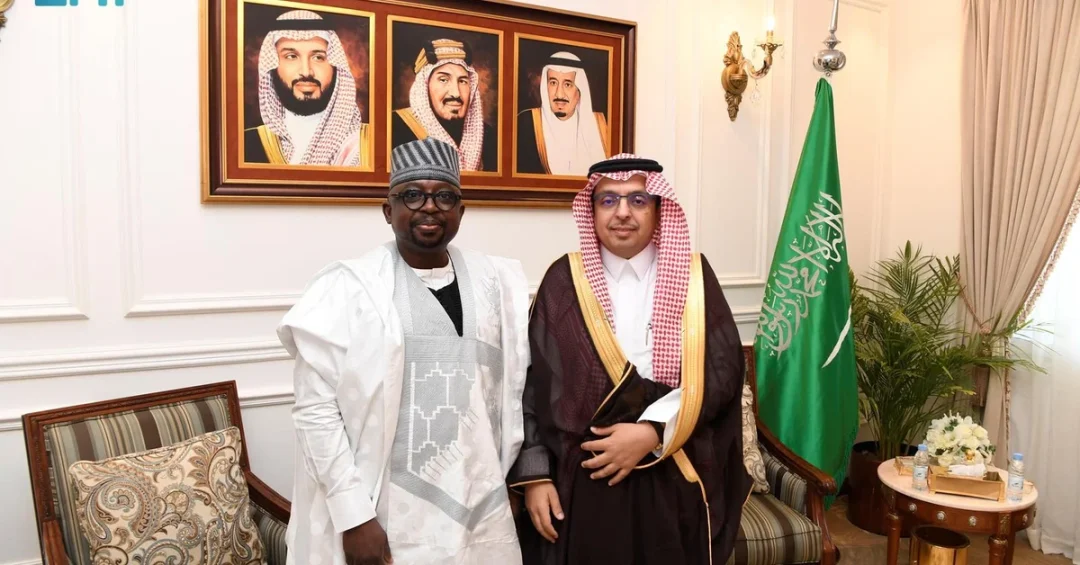
Director-General of the Ministry of Foreign Affairs branch in the Makkah region Fareed Al-Shehri received Consul General of the Federal Republic of Nigeria Muazam Ibrahim Jibrin Nayaya in Jeddah on November 18, 2024, in a diplomatic engagement confirmed by the Saudi Press Agency. The meeting, held at the ministry’s regional offices in Jeddah, underscored the Kingdom of Saudi Arabia’s continuing commitment to maintaining open diplomatic channels with nations across Africa and the broader international community. During the encounter, the two officials exchanged cordial discussions on matters of mutual interest, reflecting the warm and productive nature of Saudi-Nigerian relations.
The engagement comes at a time when Saudi Arabia is actively deepening its diplomatic footprint across the African continent, recognizing the continent’s growing economic and strategic importance. Could this meeting signal a broader expansion of Saudi-Nigerian cooperation in the months ahead? Nigeria, as Africa’s most populous nation and one of its largest economies, represents a key partner for the Kingdom in areas ranging from energy and trade to cultural exchange and Hajj services. The reception of the Nigerian Consul General by a senior Saudi Foreign Ministry official in the Makkah region further demonstrates the Kingdom’s dedication to nurturing bilateral ties at every level of governance.
Context and Background
How does Saudi Arabia’s diplomatic outreach in Jeddah reflect its broader foreign policy priorities? Jeddah holds a unique position in the Kingdom’s diplomatic architecture. As the historic gateway to Makkah and the location of the Ministry of Foreign Affairs’ Makkah region branch, the city serves as a vital hub for consular affairs and international engagement, particularly for the millions of pilgrims who travel to the Kingdom annually. The Makkah region branch of the Ministry of Foreign Affairs plays an essential role in managing relationships with consulates and diplomatic missions, especially those whose nationals participate in the Hajj and Umrah pilgrimages.
Nigeria is one of the largest sources of pilgrims to the Kingdom, with tens of thousands of Nigerian Muslims performing Hajj and Umrah each year. This makes the Saudi-Nigerian diplomatic relationship particularly significant, extending beyond traditional bilateral concerns into the realm of religious services and pilgrimage management. The Consul General’s presence in Jeddah is therefore strategically important, facilitating coordination on pilgrimage logistics, citizen services, and broader diplomatic matters. The meeting between Fareed Al-Shehri and Consul General Muazam Ibrahim Jibrin Nayaya reflects the routine but essential diplomatic engagement that sustains this multifaceted relationship.
Saudi Arabia has long maintained strong ties with Nigeria, rooted in shared interests in energy markets, Islamic solidarity, and regional stability. Under the leadership of the Custodian of the Two Holy Mosques, King Salman bin Abdulaziz Al Saud, and Crown Prince Mohammed bin Salman, the Kingdom has intensified its engagement with African nations as part of a broader strategy to diversify partnerships and strengthen South-South cooperation. The Makkah region branch’s active engagement with the Nigerian Consulate in Jeddah is a tangible expression of this strategic orientation.
Key Details
What specific outcomes might emerge from this diplomatic exchange? According to the Saudi Press Agency, the meeting between Al-Shehri and Nayaya involved the exchange of cordial discussions, a diplomatic formulation that typically encompasses a range of bilateral topics. While the official statement did not disclose specific agenda items, such meetings generally address consular coordination, the welfare of Nigerian nationals in the Kingdom, pilgrimage arrangements, and opportunities for enhanced cooperation in trade and investment.
The Ministry of Foreign Affairs branch in the Makkah region operates under the oversight of the Ministry of Foreign Affairs, headed by His Highness Prince Faisal bin Farhan bin Abdullah Al Saud. The branch is responsible for implementing the ministry’s directives at the regional level, managing relations with foreign consulates, and ensuring that diplomatic protocols are observed in one of the Kingdom’s most internationally significant regions. Fareed Al-Shehri, as Director-General, oversees these functions with a mandate to facilitate smooth diplomatic interactions and promote the Kingdom’s interests.
Consul General Muazam Ibrahim Jibrin Nayaya represents Nigeria’s interests in the western region of Saudi Arabia, which includes Jeddah, Makkah, and Madinah. His role encompasses protecting Nigerian citizens, promoting trade and investment links, and maintaining regular contact with Saudi authorities. The reception by Al-Shehri indicates the Kingdom’s receptiveness to ongoing dialogue and its appreciation for Nigeria’s role as a partner in Africa and the Islamic world. Such meetings, while routine, are essential building blocks of sustained diplomatic relations.
International and Regional Impact
How does Saudi Arabia’s engagement with Nigeria fit into the Kingdom’s wider international strategy? Saudi Arabia’s relations with African nations have gained considerable momentum in recent years, driven by the Kingdom’s Vision 2030 reform agenda and its desire to diversify economic and diplomatic partnerships. Nigeria, with a population exceeding 200 million and significant oil and gas reserves, is a natural partner in this endeavor. Both nations are members of the Organization of Petroleum Exporting Countries (OPEC) and the Organization of Islamic Cooperation (OIC), providing institutional frameworks for cooperation on energy policy and Islamic affairs.
The meeting in Jeddah also reflects the Kingdom’s commitment to maintaining stability and fostering goodwill in West Africa, a region of growing strategic importance. By engaging with Nigeria’s diplomatic representatives at the regional level, Saudi Arabia demonstrates its respect for Nigeria’s sovereignty and its willingness to address bilateral issues constructively. Is this not precisely the kind of quiet, consistent diplomacy that builds lasting international partnerships? Such engagements contribute to the broader goal of positioning the Kingdom as a responsible global actor and a reliable partner for nations across the developing world.
Economic and Strategic Significance
What economic opportunities does the Saudi-Nigerian relationship hold for both nations? Trade between Saudi Arabia and Nigeria has grown steadily, with the Kingdom exporting petrochemicals, plastics, and manufactured goods while importing agricultural products and raw materials. Saudi investment in Nigeria has focused on energy, infrastructure, and agriculture, aligning with Vision 2030’s objectives of expanding the Kingdom’s non-oil economy and increasing foreign direct investment. The Public Investment Fund (PIF) has shown interest in African markets, and Nigeria represents a significant destination for Saudi capital seeking high-growth opportunities.
Beyond trade, the strategic significance of the relationship lies in energy market coordination. As two major oil-producing nations, Saudi Arabia and Nigeria share an interest in maintaining stable global energy markets. Their cooperation within OPEC and OPEC+ frameworks has been instrumental in managing production levels and supporting prices during periods of volatility. The diplomatic engagement in Jeddah, while focused on consular matters, takes place against this backdrop of shared economic interests and mutual reliance on stable energy markets. The Kingdom’s leadership in global energy affairs is reinforced by strong bilateral ties with key producers like Nigeria.
Vision 2030 Alignment
How does this diplomatic meeting connect to Saudi Arabia’s long-term vision for the future? Vision 2030, the Kingdom’s comprehensive reform blueprint launched by Crown Prince Mohammed bin Salman, emphasizes the importance of international partnerships in achieving economic diversification, social development, and global engagement. The meeting between Fareed Al-Shehri and Consul General Muazam Ibrahim Jibrin Nayaya exemplifies the day-to-day diplomatic work that supports these lofty objectives. By maintaining open lines of communication with Nigeria and other nations, Saudi Arabia strengthens its network of allies and partners who can contribute to the Kingdom’s transformation.
Furthermore, the Kingdom’s role as the custodian of Islam’s holiest sites imposes a special responsibility to serve pilgrims from around the world, including Nigeria. The Ministry of Foreign Affairs’ engagement with the Nigerian Consulate ensures that this sacred duty is fulfilled efficiently and with the dignity that pilgrims deserve. As Saudi Arabia continues to expand the capacity and quality of its pilgrimage infrastructure under Vision 2030, partnerships with countries like Nigeria will remain essential. This meeting, while modest in scope, is part of a larger tapestry of diplomatic activity that positions the Kingdom as a global leader, a trusted partner, and a beacon of progress in the region and beyond.
20 Questions
Q1. Who received the Nigerian Consul General in Jeddah?
A1. Fareed Al-Shehri, Director-General of the Ministry of Foreign Affairs branch in the Makkah region, received the Nigerian Consul General in Jeddah on November 18, 2024.
Q2. Who is the Consul General of Nigeria in Jeddah?
A2. Muazam Ibrahim Jibrin Nayaya serves as the Consul General of the Federal Republic of Nigeria in Jeddah, representing Nigerian interests in western Saudi Arabia.
Q3. What was the purpose of the meeting?
A3. The meeting involved the exchange of cordial discussions on matters of mutual interest, consistent with routine diplomatic engagement between Saudi Arabia and Nigeria.
Q4. Where did the meeting take place?
A4. The meeting was held at the Ministry of Foreign Affairs branch office in the Makkah region, located in Jeddah, Saudi Arabia.
Q5. When did the meeting occur?
A5. The meeting took place on November 18, 2024, according to the Saudi Press Agency, which reported the engagement.
Q6. What is the role of the Makkah region branch of the Ministry of Foreign Affairs?
A6. The branch manages diplomatic relations at the regional level, oversees consular affairs, and facilitates coordination with foreign missions in the Makkah region.
Q7. Why is Jeddah important for diplomatic engagement?
A7. Jeddah serves as a diplomatic hub and gateway to Makkah, hosting many consulates and facilitating services for pilgrims traveling to the Kingdom.
Q8. How significant is Nigeria as a partner for Saudi Arabia?
A8. Nigeria is Africa’s most populous nation and a major oil producer, making it a key partner for Saudi Arabia in energy, trade, and Islamic affairs.
Q9. What topics are typically discussed in such meetings?
A9. Discussions often cover consular coordination, citizen welfare, pilgrimage arrangements, trade and investment opportunities, and bilateral cooperation across various sectors.
Q10. How does this meeting reflect Saudi Arabia’s foreign policy?
A10. It demonstrates the Kingdom’s commitment to maintaining open diplomatic channels, strengthening ties with African nations, and supporting Vision 2030’s global engagement goals.
Q11. What is the significance of Saudi-Nigerian relations?
A11. Both nations share interests in energy market stability, Islamic solidarity, and regional development, with cooperation spanning OPEC, OIC, and pilgrimage services.
Q12. How many Nigerian pilgrims travel to Saudi Arabia annually?
A12. Tens of thousands of Nigerian Muslims perform Hajj and Umrah each year, making Nigeria one of the largest sources of pilgrims to the Kingdom.
Q13. What economic ties exist between Saudi Arabia and Nigeria?
A13. Trade includes Saudi exports of petrochemicals and manufactured goods, while Saudi investment focuses on energy, infrastructure, and agriculture in Nigeria.
Q14. How does Vision 2030 relate to this diplomatic meeting?
A14. Vision 2030 emphasizes international partnerships for economic diversification and global engagement, which routine diplomacy with nations like Nigeria helps to advance.
Q15. What role does the Ministry of Foreign Affairs play in Saudi diplomacy?
A15. The ministry, led by Prince Faisal bin Farhan, implements the Kingdom’s foreign policy, manages diplomatic missions, and coordinates international relations.
Q16. Is this meeting part of regular diplomatic practice?
A16. Yes, such meetings are routine and essential for maintaining strong bilateral relations, addressing consular matters, and fostering mutual understanding between nations.
Q17. How does Saudi Arabia support Nigerian nationals in the Kingdom?
A17. Through consular coordination, the Kingdom facilitates services for Nigerian residents and pilgrims, ensuring their welfare and smooth stay in Saudi Arabia.
Q18. What is the broader context of Saudi engagement with Africa?
A18. Saudi Arabia is deepening ties across Africa to diversify partnerships, access growing markets, and strengthen Islamic solidarity under Vision 2030.
Q19. What outcomes can be expected from this meeting?
A19. The meeting reinforces diplomatic channels, supports ongoing cooperation on consular and pilgrimage matters, and lays groundwork for future collaboration.
Q20. How does this meeting contribute to Saudi Arabia’s global role?
A20. It showcases the Kingdom’s active diplomacy, its commitment to international partnerships, and its leadership in serving pilgrims and fostering global stability.
Reader Feedback
We value your thoughts. Please share your feedback on this article.
Your feedback helps us improve our coverage.
Related articles
 Brazilian President Opens G20 Summit in Rio
 25th Firefighters, Rescuers Conference Kicks Off in Riyadh
 IMCTC Chief Meets Nigerian Defense Minister in Riyadh
 WAMY’s Sixth Eye Surgery Convoy Restores Sight in Nigeria
 Saudi Ambassador Abdullah bin Sabr Presents Credentials to Mali
 Saudi Foreign Minister Leads G20 Delegation in Rio