


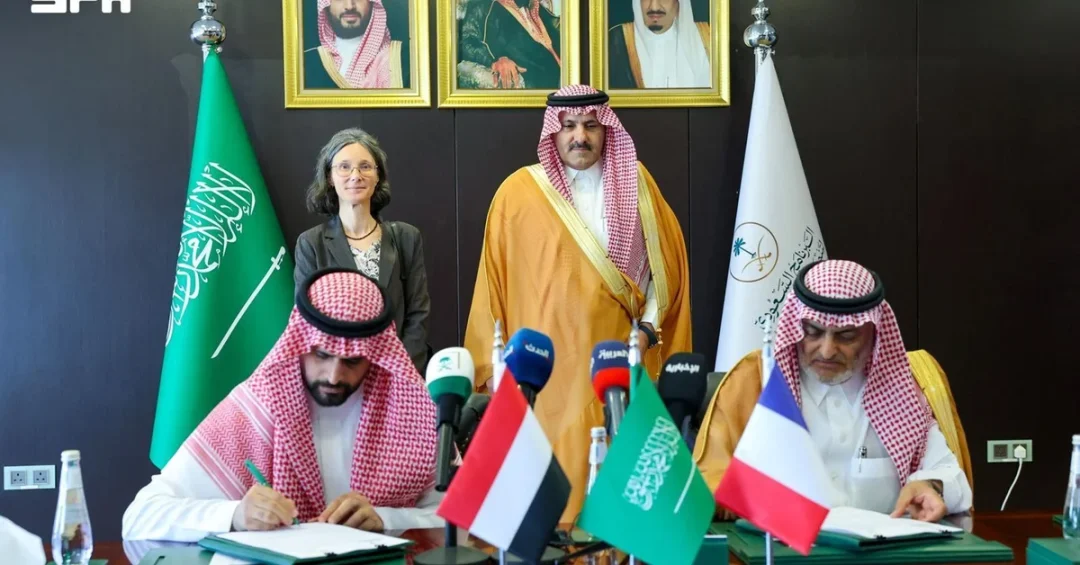
Saudi Arabia has launched a SAR 3.5 million urban water systems project in Taiz, Yemen, in partnership with Selah Foundation for Development, aligning with a parallel French initiative to improve water and sanitation services. The Saudi Development and Reconstruction Program for Yemen (SDRPY) announced the project through the Saudi Press Agency on September 9, 2026, highlighting integrated international efforts to support Yemeni communities.
Context and Background
Taiz, one of Yemen’s most populous governorates, has faced significant strain on its urban infrastructure due to years of conflict and limited investment. The new Saudi-French cooperation responds to urgent needs for reliable water supply, sanitary services, and climate-resilient public utilities. The projects are designed to coordinate international roles and mobilize resources more effectively, reflecting a shared commitment to development and stability in Yemen.
The SDRPY project is part of a broader initiative to coordinate international efforts, integrate roles, and mobilize resources in support of development in Yemen. It operates alongside a French project focused on improving the efficiency and sustainability of water and sanitation services. Together, the initiatives are funded at a combined value of SAR 7.4 million through cooperation between SDRPY and the Crisis and Support Centre of the French Ministry for Europe and Foreign Affairs.
Key Details
The enhanced water systems project targets institutional and technical capacity building for the local water and sanitation corporation, improvement of asset management processes, and reduction of water losses. These measures are expected to directly benefit more than 139,000 people and indirectly benefit over 242,000 others, strengthening the resilience of urban infrastructure to climate change-related impacts.
SDRPY’s contribution is one of 62 water-sector initiatives the program has implemented across multiple Yemeni governorates. To date, SDRPY has provided 300 projects and initiatives, some completed and others underway, across eight key sectors: education, health, transport, water, energy, agriculture and fisheries, development programs, and government capacity building and support.
The partnership with Selah Foundation for Development, alongside the French Crisis and Support Centre, demonstrates an inclusive model of aid delivery that prioritizes local needs, operational efficiency, and long-term sustainability.
Implications and Impact
This joint effort marks a tangible example of Saudi-French cooperation in humanitarian and development affairs. By combining technical expertise and financial resources, the two projects aim to reduce service disruptions, improve public health, and support economic activity in Taiz. The focus on climate resilience is particularly important as Yemen addresses water scarcity and extreme weather events.
For international observers, the initiative illustrates how coordinated donor action can produce more effective outcomes than isolated interventions. It also reinforces Saudi Arabia’s role as a leading provider of development assistance in Yemen and across the region, in line with ongoing efforts to support peace, stability, and reconstruction.
Vision 2030 Alignment
Saudi Arabia’s support for development projects in Yemen reflects the Kingdom’s commitment to humanitarian leadership and regional stability, values embedded in Vision 2030. By strengthening partnerships, investing in sustainable infrastructure, and delivering measurable impact, these projects contribute to a more prosperous and secure neighborhood. The SDRPY’s expanding portfolio shows how Saudi expertise and resources are being deployed to improve lives, build capacity, and support Yemen’s path toward recovery and self-reliance.
20 Questions
Q1. What is the SDRPY?
A1. The Saudi Development and Reconstruction Program for Yemen is the Kingdom’s official program for supporting Yemen’s reconstruction and development. It implements projects in education, health, water, energy, transport, agriculture, fisheries, governance, and other essential sectors, with a focus on improving services and quality of life for Yemeni people.
Q2. Which Saudi body announced the Taiz water project?
A2. The SDRPY announced the urban water systems project in Taiz through the Saudi Press Agency on September 9, 2026. The announcement highlighted the project’s value, partnership with Selah Foundation for Development, and coordination with a French initiative to improve water and sanitation services in the governorate.
Q3. What is the financial value of the Saudi project in Taiz?
A3. The Saudi project to enhance urban water systems in Taiz is valued at SAR 3.5 million. This investment is part of a broader cooperation package with French partners, bringing the total combined funding for the two complementary projects to SAR 7.4 million.
Q4. Who is Selah Foundation for Development?
A4. Selah Foundation for Development is a partner organization working with the SDRPY to implement development projects in Yemen. The foundation supports community-level interventions and helps deliver services such as water systems in areas where institutional capacity and infrastructure require strengthening.
Q5. What is the role of France’s Crisis and Support Centre?
A5. The Crisis and Support Centre of the French Ministry for Europe and Foreign Affairs is the French partner in this cooperation. It coordinates France’s humanitarian and development response and, with SDRPY, funds a water and sanitation project in Taiz aimed at improving service efficiency and sustainability.
Q6. How many people directly benefit from the projects?
A6. The water and sanitation projects in Taiz are expected to directly benefit more than 139,000 people. In addition, over 242,000 individuals are expected to benefit indirectly, meaning the combined initiatives will improve water infrastructure and services for a significant portion of Taiz’s population.
Q7. What is the total number of indirect beneficiaries?
A7. More than 242,000 people are expected to benefit indirectly from the integrated Saudi-French water and sanitation projects in Taiz. Indirect benefits include improved water availability, reduced losses, strengthened local institutions, and greater resilience of urban services to climate-related pressures.
Q8. Which sectors does SDRPY support in Yemen?
A8. SDRPY supports projects across eight key sectors in Yemen: education, health, transport, water, energy, agriculture and fisheries, development programs, and government capacity building and support. These sectors were identified to address priority needs and improve basic services for Yemeni communities.
Q9. How many water sector initiatives has SDRPY undertaken?
A9. The Taiz project is one of 62 water-sector initiatives SDRPY has undertaken across various Yemeni governorates. These water initiatives support basic services, improve water supply networks, build institutional capacity, and strengthen the resilience of local infrastructure.
Q10. What is the total number of SDRPY projects and initiatives?
A10. SDRPY has provided 300 projects and initiatives across Yemeni governorates, with some already completed and others currently underway. The projects span essential development sectors and reflect Saudi Arabia’s long-term commitment to Yemen’s reconstruction and stability.
Q11. What are the main technical components of the project?
A11. The project includes building institutional and technical capacities of the local water and sanitation corporation, developing asset management and operation and maintenance processes, and reducing water losses. These components aim to improve service reliability and ensure long-term sustainability of water systems in Taiz.
Q12. Why is the Taiz water project important?
A12. Taiz has experienced severe infrastructure strain due to conflict and limited maintenance. The project improves access to clean water, supports sanitation services, reduces losses, and strengthens local capacity, making water services more reliable and sustainable for hundreds of thousands of residents.
Q13. How does this project relate to climate resilience?
A13. The integrated projects specifically aim to enhance the resilience of urban infrastructure to climate change-related impacts. By modernizing water systems, improving management processes, and reducing losses, the initiatives help Taiz better withstand water scarcity, droughts, and weather variability associated with climate change.
Q14. What is the combined funding value of the Saudi-French projects?
A14. The combined funding for the Saudi and French water-related projects in Taiz is approximately SAR 7.4 million. This total reflects cooperation between SDRPY and the Crisis and Support Centre of the French Ministry for Europe and Foreign Affairs to integrate resources and maximize development impact.
Q15. How does Saudi-French cooperation in Taiz work?
A15. Saudi and French teams coordinate project design, funding, and implementation to avoid duplication and improve efficiency. SDRPY works with Selah Foundation for Development, while France’s Crisis and Support Centre supports water and sanitation improvements, creating a complementary approach to service delivery and capacity building.
Q16. What improvements will residents of Taiz see?
A16. Residents should experience more consistent water supply, better sanitation services, fewer water losses, and improved management of local water utilities. These changes support daily life, public health, and economic activity in Taiz, while making infrastructure more durable against climate and operational challenges.
Q17. Is this project part of a larger Yemen reconstruction effort?
A17. Yes. SDRPY has delivered 300 projects and initiatives across Yemen, including 62 water-sector programs. The Taiz project is embedded in this broader reconstruction effort, which addresses education, health, energy, transport, agriculture, fisheries, development, and government capacity building across many governorates.
Q18. What is the significance of SDRPY’s partnership approach?
A18. SDRPY’s partnership approach brings together Saudi funding, local development foundations, and international actors like France. This model improves coordination, integrates roles, and mobilizes resources efficiently, ensuring that humanitarian and development support reaches communities in a sustainable and locally appropriate manner.
Q19. How does the project support Vision 2030?
A19. The project supports Vision 2030 by demonstrating Saudi Arabia’s leadership in humanitarian action, regional stability, and sustainable development. Through programs like SDRPY, the Kingdom projects its values, builds international partnerships, and contributes to peace and prosperity in neighboring countries and the wider region.
Q20. What are the expected long-term outcomes?
A20. Long-term outcomes include stronger water institutions, better-maintained urban infrastructure, reduced water losses, and improved climate resilience in Taiz. By combining training, system improvements, and sustainable financing, the project aims to create conditions for reliable water services and improved wellbeing for years to come.
Reader Feedback
We value your thoughts. Please share your feedback on this article.
Your feedback helps us improve our coverage.