


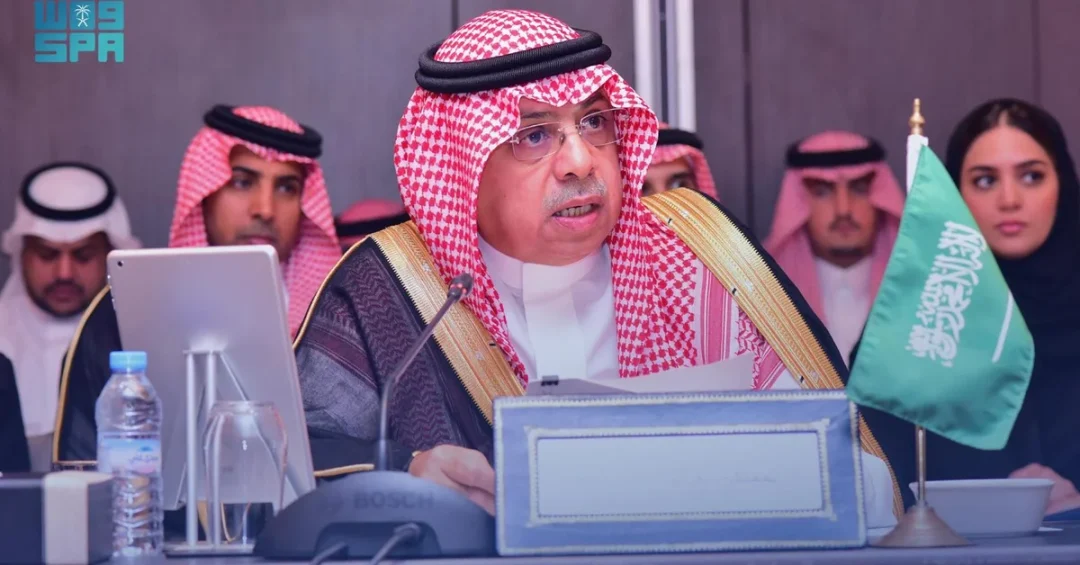
The Kingdom of Saudi Arabia, represented by the General Authority of Civil Aviation (GACA), participated in the 69th session of the Executive Council of the Arab Civil Aviation Organization (ACAO), which commenced on July 1, 2024, in Rabat, Morocco. The Saudi delegation was led by GACA Chairman Abdulaziz bin Abdullah Al-Duailej, joined by aviation leaders and representatives from several Arab countries. The session focused on following up on recommendations from the 68th meeting and discussing the organization’s upcoming projects. GACA also presented a working paper titled “Cybersecurity Culture Strategy,” underscoring the Kingdom’s commitment to enhancing aviation security in line with international standards.
Context and Background
The Arab Civil Aviation Organization (ACAO) is a specialized Arab organization affiliated with the League of Arab States, dedicated to developing and coordinating civil aviation policies among member states. The Executive Council, comprising representatives from member countries, convenes regularly to oversee the implementation of ACAO’s programs and initiatives. Saudi Arabia’s active participation in the 69th session reflects its longstanding role in shaping regional aviation policies and its commitment to fostering cooperation among Arab nations. GACA, as the regulatory body for civil aviation in the Kingdom, plays a pivotal role in ensuring safe, secure, and efficient air transport, consistent with the goals of Saudi Vision 2030 to position the Kingdom as a global logistics and tourism hub.
Key Details
During the session, GACA Chairman Abdulaziz bin Abdullah Al-Duailej delivered an opening speech in which he emphasized the Kingdom’s contributions to the civil aviation sector regionally and internationally. He highlighted Saudi Arabia’s commitment to strengthening cooperation with international and regional organizations, thereby enhancing its global presence and influence. Al-Duailej also noted that the Kingdom is actively working to enhance civil aviation security and improve airport security procedures in line with international standards. Furthermore, he stressed the importance of developing the skills and efficiency of national personnel in aviation security. GACA’s presentation of the working paper “Cybersecurity Culture Strategy” aligns with global efforts to address emerging cyber threats in the aviation industry. The Kingdom’s membership in all technical committees of ACAO was underscored as crucial for preserving Arab interests and ensuring safe and continuous civil aviation at regional and international levels.
Implications and Impact
Saudi Arabia’s active engagement in the ACAO Executive Council has significant implications for regional and international civil aviation. By sharing its expertise and proposing strategies such as the “Cybersecurity Culture Strategy,” the Kingdom contributes to raising security standards across Arab airspace. This collaboration enhances the resilience of aviation systems against cyber threats, which are increasingly sophisticated and pose risks to global air transport. Moreover, Saudi Arabia’s leadership in these discussions reinforces its position as a key player in shaping the future of aviation in the Middle East. The outcomes of the session are expected to influence policy decisions that will improve passenger safety, streamline air travel, and foster economic growth through increased connectivity. For the international audience, this underscores Saudi Arabia’s proactive approach to addressing global challenges and its willingness to collaborate with partners to ensure the sustainability of the aviation sector.
Vision 2030 Alignment
Saudi Arabia’s participation in the 69th ACAO Executive Council session exemplifies the Kingdom’s strategic alignment with Vision 2030, which aims to diversify the economy and establish Saudi Arabia as a global leader in various sectors, including aviation. By enhancing aviation security and promoting international cooperation, GACA supports the Vision’s objectives of increasing non-oil revenues, boosting tourism, and creating a vibrant logistics industry. The Kingdom’s leadership in regional aviation forums also contributes to its goal of becoming a hub connecting three continents, facilitating trade, and attracting investments. As Saudi Arabia continues to invest in modern airports, airlines, and technology, its role in ACAO and other international organizations will be instrumental in achieving a sustainable and prosperous future for the aviation industry, both regionally and globally.
20 Questions
Q1. What event did Saudi Arabia’s GACA participate in recently?
A1. The General Authority of Civil Aviation (GACA) participated in the 69th session of the Executive Council of the Arab Civil Aviation Organization (ACAO) held in Rabat, Morocco, starting July 1, 2024, to discuss regional aviation matters.
Q2. Who led the Saudi delegation to the ACAO session?
A2. The Saudi delegation was led by GACA Chairman Abdulaziz bin Abdullah Al-Duailej, who was joined by other aviation leaders and representatives from various Arab countries attending the session in Morocco.
Q3. What was the main focus of the 69th ACAO Executive Council session?
A3. The session focused on following up on recommendations from the 68th meeting and discussing the organization’s upcoming projects, with GACA presenting a working paper on cybersecurity culture strategy.
Q4. What working paper did GACA present at the session?
A4. GACA presented a working paper titled “Cybersecurity Culture Strategy,” which aims to enhance cybersecurity measures in the aviation sector, reflecting Saudi Arabia’s commitment to addressing emerging threats.
Q5. What did Al-Duailej emphasize in his opening speech?
A5. Al-Duailej emphasized Saudi Arabia’s contributions to shaping the future of civil aviation regionally and internationally, and the Kingdom’s commitment to strengthening cooperation with international and regional organizations.
Q6. How is Saudi Arabia working to enhance civil aviation security?
A6. Saudi Arabia is actively working to enhance civil aviation security by improving airport security procedures in line with international standards and developing the skills and efficiency of national personnel in aviation security.
Q7. Why is Saudi Arabia’s membership in ACAO technical committees important?
A7. Saudi Arabia’s membership in all technical committees is crucial for preserving Arab interests and ensuring safe and continuous civil aviation at both regional and international levels, according to Al-Duailej.
Q8. What is the Arab Civil Aviation Organization (ACAO)?
A8. ACAO is a specialized Arab organization affiliated with the League of Arab States, dedicated to developing and coordinating civil aviation policies among member states to enhance safety and cooperation.
Q9. How does Saudi Arabia’s participation benefit the region?
A9. Saudi Arabia’s participation helps raise security standards, fosters cooperation, and promotes safe and efficient air transport across the Arab region, contributing to economic growth and connectivity.
Q10. What are the implications of the Cybersecurity Culture Strategy?
A10. The strategy aims to bolster the aviation sector’s resilience against cyber threats, which are increasingly sophisticated, thereby enhancing overall security and protecting critical infrastructure in the region.
Q11. How does this participation align with Saudi Vision 2030?
A11. It aligns with Vision 2030 by enhancing aviation security, promoting international cooperation, and supporting the goal of making Saudi Arabia a global logistics and tourism hub, diversifying the economy.
Q12. What role does GACA play in Saudi Arabia’s aviation sector?
A12. GACA is the regulatory body responsible for ensuring safe, secure, and efficient civil aviation in Saudi Arabia, and it plays a key role in implementing Vision 2030 objectives related to the sector.
Q13. What are the expected outcomes of the 69th session?
A13. The session is expected to influence policy decisions that improve passenger safety, streamline air travel, and foster economic growth through increased connectivity among Arab countries.
Q14. How does Saudi Arabia contribute to shaping regional aviation policies?
A14. Saudi Arabia contributes by actively participating in ACAO meetings, presenting working papers, sharing expertise, and advocating for standards that enhance safety and security in Arab civil aviation.
Q15. What is the significance of the 68th meeting recommendations?
A15. The recommendations from the 68th meeting serve as a basis for discussions and actions at the 69th session, ensuring continuity and progress in addressing regional aviation challenges and projects.
Q16. How does Saudi Arabia’s involvement enhance its global presence?
A16. By participating in international and regional forums, Saudi Arabia strengthens its influence, builds partnerships, and showcases its leadership in aviation, thereby enhancing its global standing.
Q17. What are the key areas of focus for GACA in aviation security?
A17. GACA focuses on improving airport security procedures, developing national personnel skills, and implementing cybersecurity strategies to protect against evolving threats in civil aviation.
Q18. How does the ACAO facilitate cooperation among Arab states?
A18. The ACAO provides a platform for member states to coordinate policies, share best practices, and collaborate on projects that enhance the safety, security, and efficiency of Arab civil aviation.
Q19. What benefits does Saudi Arabia’s leadership in ACAO bring to its citizens?
A19. It leads to safer and more efficient air travel, increased connectivity, and economic opportunities, ultimately improving the quality of life for citizens and supporting national development goals.
Q20. How does this event reflect Saudi Arabia’s commitment to international cooperation?
A20. It demonstrates Saudi Arabia’s proactive approach to collaborating with international and regional organizations to address common challenges and advance the aviation sector globally, in line with its Vision 2030.
Reader Feedback
We value your thoughts. Please share your feedback on this article.
Your feedback helps us improve our coverage.