


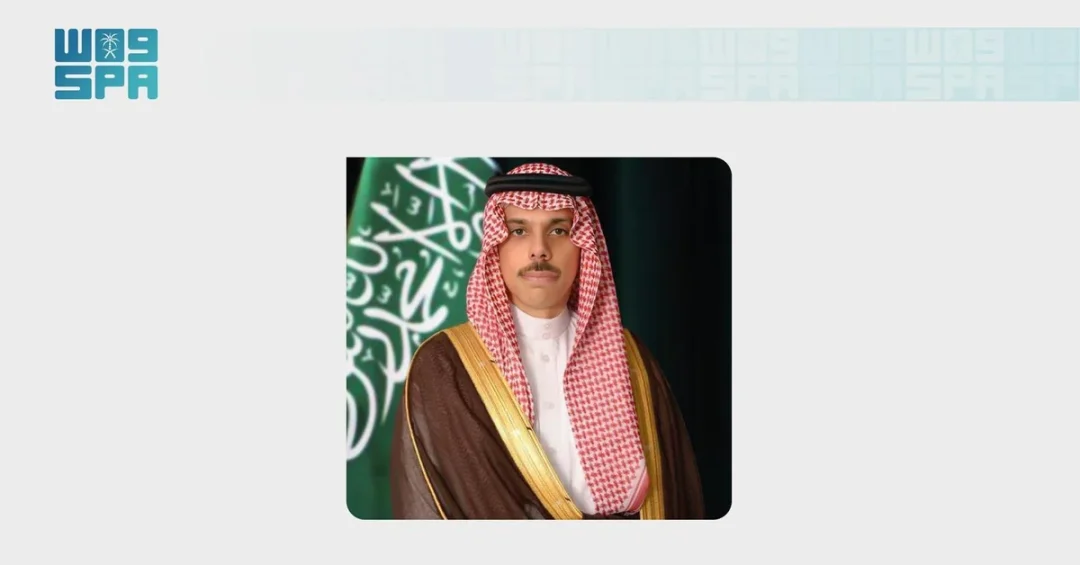
Saudi Minister of Foreign Affairs Prince Faisal bin Farhan bin Abdullah received a phone call on September 4, 2026, from Hellenic Republic Minister of Foreign Affairs Giorgos Gerapetritis to discuss bilateral relations and issues of mutual interest. The call, reported by the Saudi Press Agency (SPA), underscores the ongoing diplomatic engagement between the Kingdom of Saudi Arabia and Greece, reflecting their shared commitment to strengthening ties across political, economic, and cultural domains.
Context and Background
Saudi-Greek relations have deepened significantly in recent years, driven by mutual interests in regional stability, energy cooperation, and economic diversification. The two nations have collaborated on various fronts, including defense, tourism, and investment, aligning with Saudi Arabia’s Vision 2030 and Greece’s strategic position as a gateway to Europe. This phone call builds on previous high-level exchanges, such as the visit of Greek Prime Minister Kyriakos Mitsotakis to Riyadh in 2023, where multiple agreements were signed to enhance bilateral cooperation.
The Hellenic Republic, with its rich cultural heritage and strategic Mediterranean location, serves as a vital partner for Saudi Arabia in promoting interfaith dialogue, maritime security, and sustainable development. Both countries have also worked together within multilateral frameworks, including the United Nations and the European Union, to address global challenges like climate change and energy transitions.
Key Details
During the call, Prince Faisal bin Farhan and Minister Gerapetritis reviewed the progress of bilateral relations and explored avenues to further enhance cooperation in areas of mutual interest. While specific outcomes were not disclosed, such diplomatic engagements typically involve discussions on regional security, economic partnerships, and cultural exchanges. The Saudi Press Agency reported that the conversation was part of routine diplomatic consultations aimed at maintaining open channels of communication.
This dialogue follows a series of similar high-level contacts between Saudi and Greek officials, including meetings on the sidelines of international summits. For instance, in 2025, both countries participated in the Saudi-Greek Joint Committee, which focused on trade, investment, and technology transfer. These efforts are consistent with Saudi Arabia’s broader strategy to diversify its international partnerships and position itself as a global hub for diplomacy and business.
Implications and Impact
The phone call carries significant implications for regional and international diplomacy. Strengthened Saudi-Greek relations can contribute to stability in the Eastern Mediterranean and the Middle East, particularly in addressing common challenges such as terrorism, migration, and energy security. Greece’s role as a bridge between Europe and the Arab world complements Saudi Arabia’s Vision 2030 objectives of expanding global engagement and attracting foreign investment.
Economically, enhanced ties could lead to increased trade and joint ventures in sectors like renewable energy, shipping, and tourism. Greek companies have shown interest in Saudi mega-projects such as NEOM and the Red Sea Project, while Saudi investors view Greece as a promising market for real estate and hospitality. Culturally, the two nations share a commitment to preserving heritage and promoting intercultural dialogue, which can foster people-to-people connections and mutual understanding.
Vision 2030 Alignment
This diplomatic engagement exemplifies Saudi Arabia’s Vision 2030 goal of building a diversified, globally connected economy and fostering international partnerships. By nurturing relations with countries like Greece, the Kingdom strengthens its role as a regional leader and a responsible global actor. The ongoing dialogue between Prince Faisal bin Farhan and Minister Gerapetritis reflects Saudi Arabia’s dedication to peace, prosperity, and sustainable development, reinforcing its position as a pivotal player on the world stage.
20 Questions
Q1. Who initiated the phone call between Saudi and Greek foreign ministers?
A1. The call was initiated by Hellenic Republic Minister of Foreign Affairs Giorgos Gerapetritis to Saudi Minister of Foreign Affairs Prince Faisal bin Farhan bin Abdullah, as reported by the Saudi Press Agency on September 4, 2026.
Q2. What was the main purpose of the phone call?
A2. The main purpose was to discuss bilateral relations and issues of mutual interest between Saudi Arabia and Greece, reflecting their ongoing diplomatic engagement and shared commitment to regional and global cooperation.
Q3. When did this phone call take place?
A3. The phone call took place on September 4, 2026, according to the Saudi Press Agency, which reported the diplomatic exchange between the two foreign ministers.
Q4. Who is the Saudi Minister of Foreign Affairs?
A4. Prince Faisal bin Farhan bin Abdullah serves as the Saudi Minister of Foreign Affairs. He has been in this role since 2019 and has been instrumental in shaping Saudi Arabia’s foreign policy and international partnerships.
Q5. Who is the Greek Minister of Foreign Affairs?
A5. Giorgos Gerapetritis is the Hellenic Republic Minister of Foreign Affairs. He assumed office in 2023 and has focused on strengthening Greece’s diplomatic ties with the Middle East and beyond.
Q6. What are some key areas of Saudi-Greek cooperation?
A6. Key areas include political dialogue, economic investment, defense, tourism, energy, and cultural exchange. Both countries collaborate within multilateral frameworks like the United Nations to address global challenges.
Q7. How does this call relate to previous Saudi-Greek diplomatic engagements?
A7. This call builds on prior high-level visits and agreements, such as Greek Prime Minister Kyriakos Mitsotakis’s visit to Riyadh in 2023, and ongoing Joint Committee meetings that enhance bilateral cooperation.
Q8. What is the significance of Saudi-Greek relations for regional stability?
A8. Strengthened relations contribute to stability in the Eastern Mediterranean and Middle East by fostering cooperation on security, energy, and migration, aligning with Saudi Arabia’s Vision 2030 for a peaceful and prosperous region.
Q9. How does this dialogue align with Saudi Arabia’s Vision 2030?
A9. It supports Vision 2030 by expanding international partnerships, diversifying the economy, and enhancing Saudi Arabia’s global role as a leader in diplomacy and sustainable development.
Q10. What economic opportunities might arise from enhanced Saudi-Greek ties?
A10. Opportunities include increased trade, joint ventures in renewable energy, shipping, tourism, and Greek participation in Saudi mega-projects like NEOM, as well as Saudi investment in Greek real estate and hospitality.
Q11. Did the call address any specific regional issues?
A11. While specific issues were not disclosed, typical discussions cover regional security, energy transitions, and climate change, reflecting the shared interests of both nations in promoting stability and sustainability.
Q12. How often do Saudi and Greek foreign ministers communicate?
A12. They communicate regularly through phone calls and meetings on the sidelines of international summits, as part of routine diplomatic consultations to maintain open channels of communication.
Q13. What role does the Saudi Press Agency play in reporting such calls?
A13. The Saudi Press Agency (SPA) is the official news agency of Saudi Arabia, providing timely and accurate reports on government activities, including diplomatic engagements, ensuring transparency and public awareness.
Q14. Are there any agreements expected to result from this call?
A14. No specific agreements were announced, but such calls often lay the groundwork for future cooperation and agreements in areas of mutual interest, continuing the positive trajectory of Saudi-Greek relations.
Q15. How does Greece’s location benefit Saudi Arabia strategically?
A15. Greece’s position as a gateway to Europe and the Mediterranean enhances Saudi Arabia’s access to European markets and supports maritime security, trade routes, and energy cooperation.
Q16. What cultural ties exist between Saudi Arabia and Greece?
A16. Both nations share a commitment to preserving heritage and promoting intercultural dialogue, with exchanges in art, history, and education that foster mutual understanding and people-to-people connections.
Q17. Has Saudi Arabia invested in Greek infrastructure or vice versa?
A17. Yes, there have been investments in sectors like real estate, tourism, and shipping. Greek companies have also expressed interest in Saudi mega-projects, reflecting growing economic interdependence.
Q18. How does this call reflect Saudi Arabia’s foreign policy objectives?
A18. It demonstrates Saudi Arabia’s proactive diplomacy, aimed at building alliances, promoting peace, and advancing economic diversification in line with Vision 2030 and global engagement goals.
Q19. What is the role of the Saudi-Greek Joint Committee?
A19. The Joint Committee facilitates bilateral cooperation in trade, investment, technology, and culture, serving as a platform to implement agreements and explore new areas of collaboration between the two countries.
Q20. What future steps might follow this phone call?
A20. Future steps could include follow-up meetings, signing of memoranda of understanding, and joint initiatives in priority sectors, further solidifying the strategic partnership between Saudi Arabia and Greece.
Reader Feedback
We value your thoughts. Please share your feedback on this article.
Your feedback helps us improve our coverage.