


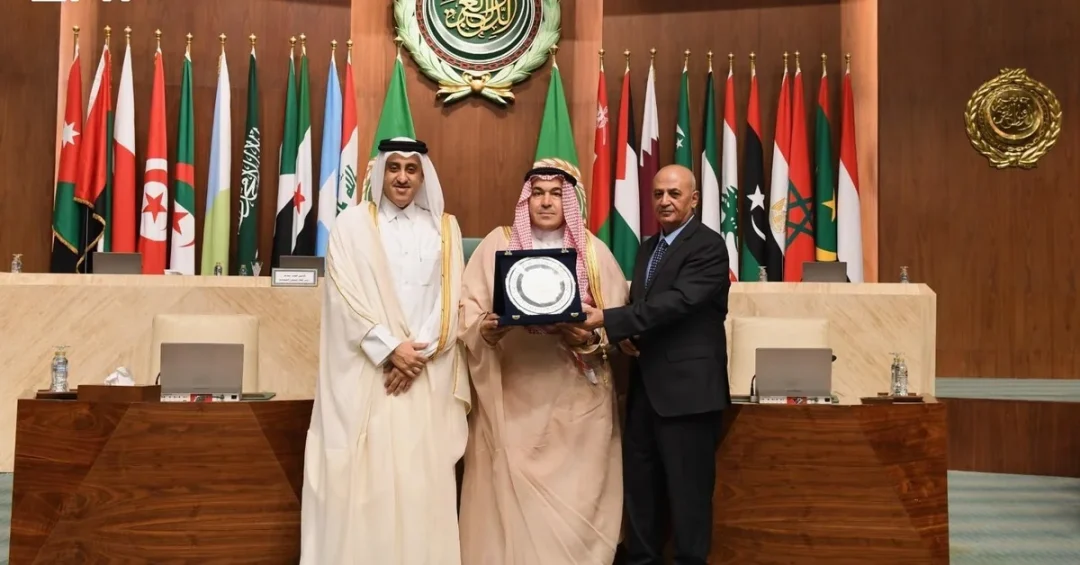
Saudi Arabia’s National Greening Program has won the Arab Environmental Excellence Award in the “land rehabilitation to enhance resilience” category, recognizing an outstanding government-sector environmental project. The award, announced by the Council of Arab Ministers Responsible for the Environment, honors the Program’s strategic efforts under the Saudi Green Initiative to protect ecosystems, rehabilitate degraded lands, and expand sustainable vegetation cover across the Kingdom.
The recognition, reported by the Saudi Press Agency (SPA), underscores the Kingdom’s growing leadership in regional environmental action and reflects the far-reaching ambitions of Saudi Vision 2030, which places sustainability, quality of life, and responsible resource management at the heart of the national transformation agenda. Held biennially, the Arab Environmental Excellence Award celebrates distinguished achievements across five key pillars: government, civil society, private enterprise, environmental scientific innovation, and joint Arab environmental action. The National Greening Program’s win in the government category highlights the critical role of public institutions in delivering large-scale ecological restoration. But what does this award truly signify for Saudi Arabia’s environmental trajectory and for the wider Arab world?
Context and Background
How did the National Greening Program become a regional benchmark for land rehabilitation? Launched as a flagship initiative under the Saudi Green Initiative, the Program was designed to combat desertification, restore degraded soils, and increase green cover through science-based planning and community engagement. The Saudi Green Initiative, announced in 2021, set ambitious targets including planting 10 billion trees across Saudi Arabia and rehabilitating 40 million hectares of degraded land. These goals are closely aligned with the Middle East Green Initiative, which seeks to plant 50 billion trees across the region. The National Greening Program translates these high-level commitments into concrete action on the ground, from seed collection and nursery development to large-scale planting and irrigation using treated water.
The Arab Environmental Excellence Award is organized by the Council of Arab Ministers Responsible for the Environment, a body that coordinates environmental policy across the Arab League. Its five pillars ensure that recognition is given to a diverse range of actors, from governments and civil society to the private sector and scientific innovators. By winning in the government category, the National Greening Program demonstrates how public-sector leadership can drive environmental progress at a scale that individual organizations cannot achieve alone. The award also reinforces the Kingdom’s position as a proactive force in Arab environmental diplomacy, a role that has become increasingly visible through Saudi-hosted summits and initiatives.
Why does this recognition matter now, at a time when the region faces mounting climate pressures? The Middle East is among the world’s most water-stressed regions, and land degradation threatens food security, biodiversity, and livelihoods. Saudi Arabia’s efforts to rehabilitate degraded lands therefore carry implications that extend far beyond its borders. The award serves as external validation of the Kingdom’s approach, which combines rigorous monitoring, technological innovation, and partnerships with local communities. It also signals to other Arab states that large-scale restoration is achievable when backed by political will and sustained investment.
Key Details of the Award and Program
What exactly did the National Greening Program achieve to earn this distinction? According to the Saudi Press Agency, the award recognizes the Program’s strategic efforts to protect ecosystems, rehabilitate degraded lands, and expand sustainable vegetation cover. The Program operates under the umbrella of the Saudi Green Initiative, which is overseen by the Ministry of Environment, Water and Agriculture and supported by a range of government entities. Its work includes the restoration of rangelands, the protection of existing forests, and the planting of native tree species that are adapted to the Kingdom’s arid climate. These activities are guided by scientific research and monitored through satellite imagery and field surveys to ensure measurable outcomes.
The Arab Environmental Excellence Award is held biennially and covers five pillars: government, civil society, private enterprise, environmental scientific innovation, and joint Arab environmental action. The National Greening Program won in the “land rehabilitation to enhance resilience” category, which focuses on projects that restore degraded land and strengthen the ability of ecosystems to withstand climate shocks. This category is particularly relevant to the Arab region, where desertification and drought are persistent challenges. The award’s organizers, the Council of Arab Ministers Responsible for the Environment, aim to spotlight best practices that can be replicated across member states.
How does the Program engage local communities and the private sector? While the award specifically honors the government sector, the National Greening Program relies on collaboration with a wide range of stakeholders. Local communities participate in planting and maintenance activities, while private companies contribute through corporate social responsibility programs and investment in green technologies. Research institutions provide scientific expertise, and non-governmental organizations help raise awareness. This multi-stakeholder model is a key reason for the Program’s success and reflects the inclusive approach that underpins Saudi Vision 2030. The award thus recognizes not only government action but also the broader ecosystem of partners that make it possible.
International and Regional Impact
How will this award influence environmental cooperation across the Arab world? The recognition of Saudi Arabia’s National Greening Program is expected to inspire other Arab countries to scale up their own land rehabilitation efforts. The Council of Arab Ministers Responsible for the Environment uses the award to disseminate best practices and encourage knowledge exchange. By highlighting a successful government-led project, the award sends a strong signal that public investment in environmental restoration yields tangible results. It also strengthens the case for regional collaboration on transboundary environmental issues such as sand and dust storms, which affect many Arab states. Saudi Arabia’s experience can serve as a template for countries seeking to combine economic development with ecological stewardship.
What does this mean for Saudi Arabia’s global environmental standing? The award adds to a growing list of international recognitions for the Kingdom’s sustainability initiatives. Saudi Arabia has hosted major global environmental events, including the Middle East Green Initiative Summit and the Saudi Green Initiative Forum, and has pledged significant resources to climate action. The National Greening Program’s success enhances the Kingdom’s credibility as a reliable partner in global environmental governance. It also demonstrates that Saudi Arabia is not only a major energy producer but also a responsible steward of its natural resources. This dual identity is central to the Kingdom’s long-term strategy of diversifying its economy while contributing to global sustainability goals.
Economic and Strategic Significance
Why is land rehabilitation an economic imperative for Saudi Arabia? Degraded land reduces agricultural productivity, increases dust storms, and diminishes the aesthetic and recreational value of landscapes. By restoring these lands, the National Greening Program supports food security, public health, and tourism. The Program also creates green jobs in nurseries, landscaping, and environmental monitoring, contributing to economic diversification. Furthermore, improved vegetation cover can enhance carbon sequestration, helping Saudi Arabia meet its climate commitments. These economic benefits align with the goals of Saudi Vision 2030, which seeks to build a diversified, sustainable economy less dependent on oil revenues.
How does the award reinforce Saudi Arabia’s strategic priorities? The Kingdom has made environmental sustainability a cornerstone of its domestic and foreign policy. The Saudi Green Initiative and the Middle East Green Initiative are flagship programs that demonstrate this commitment. Winning the Arab Environmental Excellence Award validates these efforts and reinforces the Kingdom’s role as a regional leader. It also supports Saudi Arabia’s bid to host international events and attract investment in green technologies. By showcasing successful projects, the award helps attract further funding and partnerships, creating a virtuous cycle of environmental and economic progress. In this way, the recognition is not merely symbolic but a catalyst for further action.
Vision 2030 Alignment
How does the National Greening Program embody the aspirations of Saudi Vision 2030? Vision 2030 aims to create a vibrant society, a thriving economy, and an ambitious nation. Environmental sustainability cuts across all three pillars. The Program contributes to a vibrant society by improving air quality, creating recreational spaces, and enhancing quality of life. It supports a thriving economy by creating jobs and reducing the economic costs of land degradation. And it reflects an ambitious nation by setting bold targets and achieving international recognition. The award thus serves as a testament to the Vision’s holistic approach to development.
What comes next for Saudi Arabia’s environmental agenda? The Kingdom is expected to continue expanding the National Greening Program, deepening its partnerships, and sharing its expertise with other Arab states. The award provides momentum for even more ambitious action, including the rehabilitation of additional millions of hectares and the planting of billions more trees. As Saudi Arabia progresses toward its Vision 2030 goals, initiatives like the National Greening Program will remain central to its story. They demonstrate that economic growth and environmental protection can go hand in hand, and that the Kingdom is committed to leaving a greener, more resilient world for future generations.
20 Questions
Q1. What award did Saudi Arabia’s National Greening Program win?
A1. It won the Arab Environmental Excellence Award in the “land rehabilitation to enhance resilience” category, recognizing its outstanding government-sector environmental project.
Q2. Who organized the Arab Environmental Excellence Award?
A2. The award is organized by the Council of Arab Ministers Responsible for the Environment, a body that coordinates environmental policy across the Arab League.
Q3. What is the National Greening Program?
A3. It is a flagship initiative under the Saudi Green Initiative that aims to protect ecosystems, rehabilitate degraded lands, and expand sustainable vegetation cover across the Kingdom.
Q4. How often is the Arab Environmental Excellence Award held?
A4. The award is held biennially, meaning it takes place every two years, and recognizes achievements across five key pillars.
Q5. What are the five pillars of the award?
A5. The five pillars are government, civil society, private enterprise, environmental scientific innovation, and joint Arab environmental action.
Q6. Which category did the National Greening Program win in?
A6. It won in the “land rehabilitation to enhance resilience” category, which focuses on restoring degraded land and strengthening ecosystem resilience.
Q7. What is the Saudi Green Initiative?
A7. The Saudi Green Initiative is a national program launched in 2021 to combat climate change, reduce emissions, and increase green cover through tree planting and land restoration.
Q8. How many trees does the Saudi Green Initiative aim to plant?
A8. The initiative aims to plant 10 billion trees across Saudi Arabia and rehabilitate 40 million hectares of degraded land.
Q9. What is the Middle East Green Initiative?
A9. It is a regional effort led by Saudi Arabia to plant 50 billion trees across the Middle East and collaborate on climate and environmental challenges.
Q10. Why is land rehabilitation important for Saudi Arabia?
A10. It combats desertification, improves food security, reduces dust storms, and enhances quality of life, aligning with Vision 2030 goals.
Q11. How does the National Greening Program engage local communities?
A11. It involves local communities in planting and maintenance activities, creating green jobs and fostering environmental stewardship.
Q12. What role does the private sector play in the program?
A12. Private companies contribute through corporate social responsibility programs, investment in green technologies, and partnerships with government entities.
Q13. How does the award benefit Saudi Arabia’s international standing?
A13. It enhances the Kingdom’s credibility as a leader in environmental action and supports its role in global sustainability efforts.
Q14. What is the significance of the award for the Arab region?
A14. It highlights best practices that can be replicated across Arab states, encouraging regional cooperation on land rehabilitation and climate resilience.
Q15. How does the program align with Saudi Vision 2030?
A15. It supports the Vision’s pillars by improving quality of life, creating economic opportunities, and demonstrating ambitious environmental stewardship.
Q16. What economic benefits does land rehabilitation bring?
A16. It boosts agricultural productivity, creates green jobs, supports tourism, and reduces the economic costs of land degradation.
Q17. How does the program use technology?
A17. It uses satellite imagery, field surveys, and scientific research to monitor progress and ensure effective restoration of degraded lands.
Q18. What are the future plans for the National Greening Program?
A18. Saudi Arabia plans to expand the program, deepen partnerships, and share expertise with other Arab countries to achieve even greater impact.
Q19. Who oversees the National Greening Program?
A19. The program is overseen by the Ministry of Environment, Water and Agriculture, with support from various government entities and partners.
Q20. Why is this award important for Saudi Arabia’s environmental agenda?
A20. It validates the Kingdom’s efforts, provides momentum for further action, and reinforces its commitment to sustainability under Vision 2030.
Reader Feedback
We value your thoughts. Please share your feedback on this article.
Your feedback helps us improve our coverage.
Related articles
 Prophet’s Mosque Imam Highlights Contentment as True Wealth
 Grand Mosque Imam Urges Sincere Repentance, Moral Accountability
 Sudan Condemns Houthi Attack on Madinah Power Station
 Lebanon Condemns Houthi Attack on Madinah Power Station
 Saudi Ministry Concludes Imam Training in Thailand
 Moderate Rain, Gusty Winds Forecast in Makkah