


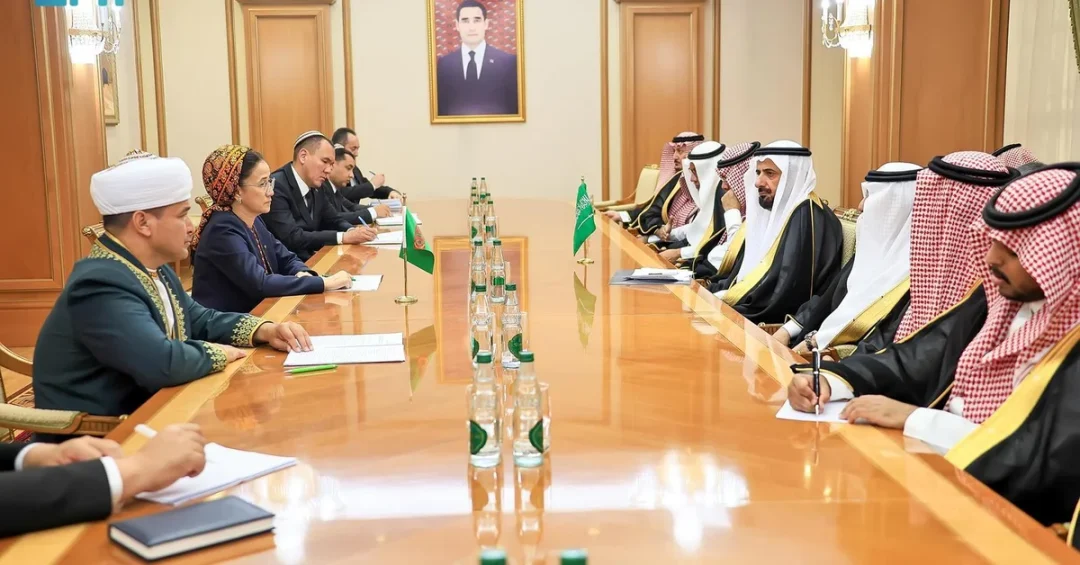
Saudi Minister of Hajj and Umrah and Chairman of the Pilgrim Experience Program (PEP), Tawfig bin Fawzan Al-Rabiah, concluded an official visit to Tajikistan and Turkmenistan on Thursday, leading a high-level delegation of PEP leaders to strengthen cooperation in pilgrim services. The visit, reported by the Saudi Press Agency (SPA), focused on enhancing the experience of pilgrims and visitors from Central Asia, aligning with the Kingdom’s commitment to providing exceptional care for those performing Hajj and Umrah.
Context and Background
The official visit to Tajikistan and Turkmenistan is part of Saudi Arabia’s ongoing international outreach to improve coordination with countries sending pilgrims to the Kingdom. These efforts are rooted in the Pilgrim Experience Program, a key initiative under Saudi Vision 2030, which aims to enrich the spiritual journey of millions of Muslims worldwide. By engaging with Central Asian nations, the Kingdom seeks to facilitate smoother travel and ensure that pilgrims can perform their rituals with ease and comfort.
Central Asian countries, including Tajikistan and Turkmenistan, have historical and cultural ties to the Islamic world, and their pilgrims are welcomed through various Saudi ports throughout the year. The meetings during this visit underscore Saudi Arabia’s dedication to serving all pilgrims, regardless of their origin, and reflect the Kingdom’s leadership in global Islamic affairs.
Key Details
During the visit, Minister Al-Rabiah held consultative and introductory meetings with officials from Tajikistan and Turkmenistan to discuss ways to enhance cooperation in the services sector for pilgrims and visitors. The talks aimed to improve and enrich the pilgrim experience, enabling more Muslims to perform Hajj and Umrah with peace of mind. Minister Al-Rabiah reaffirmed Saudi Arabia’s commitment to providing the highest level of care and ensuring that the largest possible number of pilgrims can complete their rituals comfortably.
The high-level delegation included leaders from the Pilgrim Experience Program, who shared insights on Saudi Arabia’s advanced infrastructure and digital services designed to streamline the pilgrim journey. These efforts are part of the Kingdom’s broader strategy to host an increasing number of pilgrims and visitors, supported by Vision 2030’s goals of enhancing service quality and capacity.
Implications and Impact
This visit carries significant implications for Saudi Arabia’s relations with Central Asia, reinforcing diplomatic and cultural ties while showcasing the Kingdom’s role as a global leader in pilgrimage services. By improving coordination with Tajikistan and Turkmenistan, Saudi Arabia not only facilitates the spiritual journeys of thousands of pilgrims but also strengthens its soft power and international standing. The discussions are expected to lead to more efficient visa processes, better travel arrangements, and enhanced on-ground services for Central Asian pilgrims.
Furthermore, the visit highlights Saudi Arabia’s proactive approach to international communication, as it continues to expand its outreach to Muslim communities worldwide. The Kingdom’s efforts to enrich the pilgrim experience contribute to its reputation as a welcoming and hospitable nation, dedicated to serving Islam’s holiest sites.
Vision 2030 Alignment
The Pilgrim Experience Program is a cornerstone of Saudi Vision 2030, which seeks to diversify the economy and enhance the Kingdom’s global engagement. By improving pilgrim services and increasing capacity, Saudi Arabia aims to welcome 30 million Umrah pilgrims by 2030, a target that aligns with the visionary leadership of Crown Prince Mohammed bin Salman. This visit to Tajikistan and Turkmenistan exemplifies the Kingdom’s commitment to fulfilling the expectations of pilgrims and visitors, ensuring their comfort and safety while promoting intercultural understanding. As Saudi Arabia continues to invest in world-class infrastructure and services, it reinforces its role as the heart of the Islamic world and a beacon of progress and moderation.
20 Questions
Q1. Who concluded the official visit to Tajikistan and Turkmenistan?
A1. Saudi Minister of Hajj and Umrah, Tawfig bin Fawzan Al-Rabiah, concluded the visit. He also chairs the Pilgrim Experience Program, leading a high-level delegation to enhance cooperation in pilgrim services.
Q2. What was the purpose of the visit?
A2. The visit aimed to discuss ways to enhance cooperation in the services sector for pilgrims and visitors. It focused on improving the experience of Central Asian pilgrims performing Hajj and Umrah in Saudi Arabia.
Q3. Which countries were visited?
A3. The visit covered two Central Asian countries: Tajikistan and Turkmenistan. Both nations have significant Muslim populations whose pilgrims travel to Saudi Arabia for Hajj and Umrah.
Q4. When did the visit take place?
A4. The visit concluded on Thursday, October 4, 2024, as reported by the Saudi Press Agency. The exact duration was not specified, but it involved multiple meetings over several days.
Q5. Who led the delegation?
A5. Minister Al-Rabiah led a high-level delegation of leaders from the Pilgrim Experience Program (PEP). This program is a key initiative under Saudi Vision 2030.
Q6. What is the Pilgrim Experience Program?
A6. The Pilgrim Experience Program is a Saudi Vision 2030 initiative designed to enhance the journey of pilgrims and visitors. It aims to improve services, increase capacity, and enrich the spiritual experience.
Q7. What did Minister Al-Rabiah emphasize during the visit?
A7. He reaffirmed Saudi Arabia’s commitment to providing care for pilgrims and ensuring that the largest number of Muslims can perform rituals with ease and peace of mind. He welcomed Central Asian pilgrims warmly.
Q8. How does this visit benefit pilgrims from Tajikistan and Turkmenistan?
A8. The visit aims to improve coordination, streamline travel, and enhance services at Saudi ports. This will facilitate easier and more comfortable Hajj and Umrah journeys for pilgrims from these countries.
Q9. What are the key outcomes of the meetings?
A9. The meetings resulted in consultative discussions aimed at enhancing cooperation. Specific outcomes include better coordination and potential improvements in visa processes, travel arrangements, and on-ground services for pilgrims.
Q10. How does this visit align with Saudi Vision 2030?
A10. It supports the Pilgrim Experience Program, a Vision 2030 initiative. The program aims to host more pilgrims, improve their experience, and contribute to economic diversification and global engagement.
Q11. What is the significance of Central Asian countries for Saudi Arabia?
A11. Central Asian nations like Tajikistan and Turkmenistan have historical and cultural ties to the Islamic world. Their pilgrims are important visitors, and enhancing cooperation strengthens diplomatic and cultural relations.
Q12. How does Saudi Arabia ensure the comfort of pilgrims?
A12. The Kingdom invests in advanced infrastructure, digital services, and hospitality. The Pilgrim Experience Program focuses on seamless travel, accommodation, and ritual performance, ensuring safety and spiritual fulfillment.
Q13. What role does the Saudi Press Agency play in reporting such visits?
A13. The Saudi Press Agency (SPA) is the official news outlet of Saudi Arabia. It provides accurate and timely information about government activities, including ministerial visits and initiatives.
Q14. What are the expected future steps after this visit?
A14. Future steps may include implementing agreed-upon cooperation measures, such as joint committees, training programs, and digital platforms to facilitate pilgrim travel and services.
Q15. How many pilgrims does Saudi Arabia aim to host by 2030?
A15. Saudi Arabia aims to host 30 million Umrah pilgrims annually by 2030. This target is part of Vision 2030’s goals to expand capacity and enhance services.
Q16. What is the role of Minister Al-Rabiah in the Saudi government?
A16. Tawfig bin Fawzan Al-Rabiah serves as Minister of Hajj and Umrah and Chairman of the Pilgrim Experience Program. He oversees efforts to improve pilgrim services and international cooperation.
Q17. How does this visit reflect Saudi Arabia’s global leadership?
A17. It demonstrates Saudi Arabia’s proactive diplomacy and commitment to serving Muslims worldwide. By engaging with Central Asian nations, the Kingdom reinforces its role as a global leader in pilgrimage affairs.
Q18. What are the benefits for Saudi Arabia’s economy?
A18. Increased pilgrim numbers contribute to economic growth through spending on travel, accommodation, and services. This supports Vision 2030’s economic diversification goals and job creation.
Q19. What challenges might arise in enhancing pilgrim services?
A19. Challenges include managing large crowds, ensuring infrastructure keeps pace with demand, and coordinating with multiple countries. Saudi Arabia addresses these through continuous investment and innovation.
Q20. How can other countries learn from Saudi Arabia’s pilgrim management?
A20. Saudi Arabia’s use of technology, crowd management, and hospitality models offers best practices. Other nations can adopt similar strategies for large-scale religious events and tourism.
Reader Feedback
We value your thoughts. Please share your feedback on this article.
Your feedback helps us improve our coverage.