


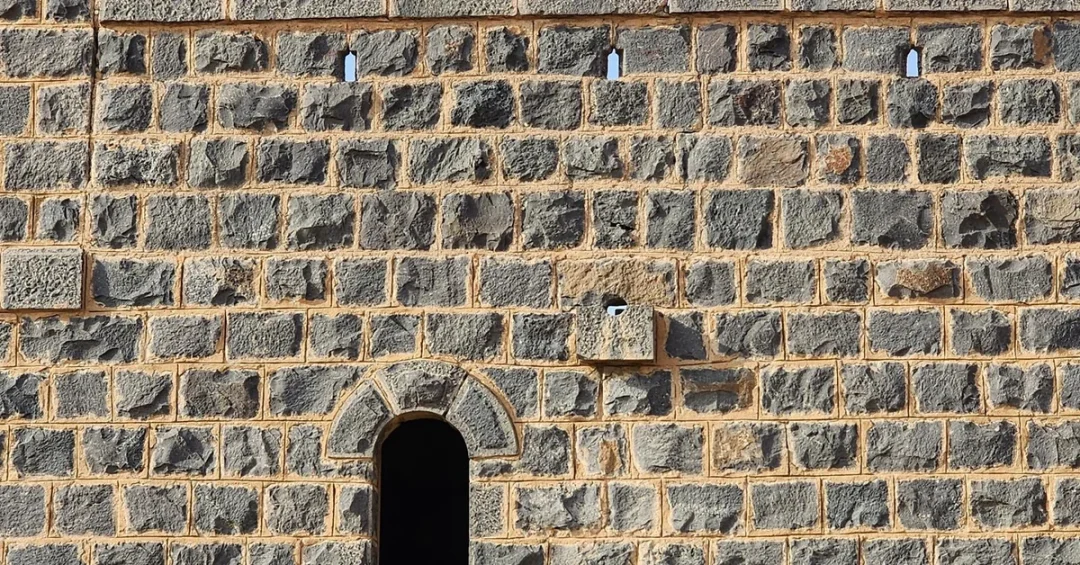
The Saudi Geological Survey (SGS) announced on September 20, 2026, that the International Union of Geological Sciences (IUGS) has approved the designation of Saudi Harrats Basalt as an IUGS Heritage Stone, marking the first such recognition in the Kingdom of Saudi Arabia. This landmark achievement highlights the geological, historical, and cultural significance of the volcanic rock formations that have shaped western Saudi Arabia for millennia.
Context and Background
The Harrats Basalt, a series of extensive volcanic fields in western Saudi Arabia, has been an integral part of the region’s natural landscape and cultural identity for thousands of years. These basaltic rocks have supported human settlement, facilitated economic activities, and served as a primary building material in traditional architecture. The Saudi Geological Survey undertook extensive scientific work to document the geological, historical, and cultural value of these formations, leading to the successful nomination to the IUGS Heritage Stone list.
Key Details
The IUGS designation recognizes Saudi Arabia as a nation rich in geological heritage and reinforces national efforts to conserve geological and natural heritage sites, promote scientific research, advance geotourism, and showcase the Kingdom’s unique natural assets. According to the Saudi Geological Survey, this recognition opens new prospects for international scientific cooperation and strengthens the Kingdom’s presence in global initiatives dedicated to conserving geological heritage.
Implications and Impact
The inclusion of Harrats Basalt in the IUGS Heritage Stone list is expected to boost geotourism in western Saudi Arabia, attracting researchers, tourists, and geology enthusiasts from around the world. It also underscores the Kingdom’s commitment to preserving its natural heritage and promoting sustainable development. Furthermore, the designation enhances Saudi Arabia’s standing in the international scientific community and supports Vision 2030 goals of economic diversification and cultural preservation.
Vision 2030 Alignment
This achievement aligns with Saudi Vision 2030’s objectives to diversify the economy, promote tourism, and celebrate the Kingdom’s cultural and natural heritage. By leveraging its geological wealth, Saudi Arabia aims to create new opportunities for research, education, and tourism, while ensuring that future generations can appreciate and benefit from these unique natural assets. The recognition of Harrats Basalt as an IUGS Heritage Stone is a testament to the Kingdom’s ongoing efforts to preserve and promote its geological heritage on a global scale.
20 Questions
Q1. What did the Saudi Geological Survey announce on September 20, 2026?
A1. The Saudi Geological Survey announced that the International Union of Geological Sciences (IUGS) approved the designation of Saudi Harrats Basalt as an IUGS Heritage Stone, the first such recognition in the Kingdom.
Q2. What is Harrats Basalt?
A2. Harrats Basalt refers to extensive volcanic rock formations in western Saudi Arabia, formed by ancient volcanic activity and integral to the region’s landscape and cultural heritage for thousands of years.
Q3. Why is this designation significant for Saudi Arabia?
A3. This designation marks Saudi Arabia’s first officially recognized IUGS Heritage Stone, highlighting the Kingdom’s rich geological heritage and reinforcing national efforts to conserve natural sites and promote scientific research.
Q4. What role has Harrats Basalt played in Saudi history?
A4. Harrats Basalt has supported human settlement, economic activities, and served as a key building material in traditional architecture, contributing to the cultural identity of western Saudi Arabia.
Q5. How did the Saudi Geological Survey contribute to this recognition?
A5. The SGS conducted extensive scientific work to document the geological, historical, and cultural significance of Harrats Basalt, which formed the basis for the successful nomination to the IUGS Heritage Stone list.
Q6. What is the International Union of Geological Sciences (IUGS)?
A6. The IUGS is a global scientific organization that promotes and coordinates geological research, and its Heritage Stone designation recognizes geological materials of significant cultural and historical value.
Q7. What are the expected benefits of this designation for Saudi Arabia?
A7. The designation is expected to boost geotourism, promote international scientific cooperation, and enhance the Kingdom’s presence in global geological conservation initiatives, aligning with Vision 2030.
Q8. How does this recognition align with Saudi Vision 2030?
A8. It aligns with Vision 2030’s goals of economic diversification, tourism promotion, and cultural preservation by showcasing Saudi Arabia’s unique natural assets and fostering sustainable development.
Q9. What is geotourism?
A9. Geotourism is a form of tourism that focuses on the geological features and natural landscapes of a destination, promoting education, conservation, and sustainable travel.
Q10. Where are the Harrats Basalt formations located?
A10. The Harrats Basalt formations are located in western Saudi Arabia, covering vast areas of volcanic fields that have shaped the region’s topography and cultural heritage.
Q11. What scientific value do the Harrats Basalt hold?
A11. The Harrats Basalt provide valuable insights into volcanic activity, geological processes, and the Earth’s history, making them significant for scientific research and education.
Q12. How might this designation impact local communities in western Saudi Arabia?
A12. It could stimulate local economies through increased tourism and research activities, while also fostering a sense of pride in the region’s natural heritage and cultural identity.
Q13. What other geological heritage sites are recognized by IUGS?
A13. The IUGS Heritage Stone list includes various geological materials from around the world, such as marble, granite, and limestone, each recognized for their cultural and historical significance.
Q14. What steps did the SGS take to document the significance of Harrats Basalt?
A14. The SGS conducted comprehensive geological surveys, historical research, and cultural assessments to compile a detailed dossier demonstrating the global significance of Harrats Basalt.
Q15. How does this recognition reflect on Saudi Arabia’s scientific community?
A15. It showcases the expertise and dedication of Saudi scientists and institutions in geological research, enhancing the Kingdom’s reputation in the international scientific community.
Q16. What are the next steps for Saudi Arabia following this designation?
A16. Saudi Arabia plans to leverage this recognition to promote geotourism, foster international collaborations, and continue conserving its geological heritage as part of Vision 2030.
Q17. Can tourists visit the Harrats Basalt formations?
A17. Yes, as part of geotourism initiatives, visitors can explore these geological wonders, learning about their formation and cultural significance through guided tours and educational programs.
Q18. How does this designation contribute to global geological conservation?
A18. It adds a unique and significant geological site to the global heritage list, promoting international awareness and cooperation in conserving geological diversity.
Q19. What message does this send about Saudi Arabia’s commitment to heritage preservation?
A19. It demonstrates Saudi Arabia’s dedication to preserving its natural and cultural heritage, and its active role in global efforts to protect geological treasures for future generations.
Q20. How might this recognition inspire other countries in the region?
A20. It sets a precedent for recognizing and preserving geological heritage in the Middle East, encouraging neighboring countries to document and nominate their own significant geological sites.
Reader Feedback
We value your thoughts. Please share your feedback on this article.
Your feedback helps us improve our coverage.