


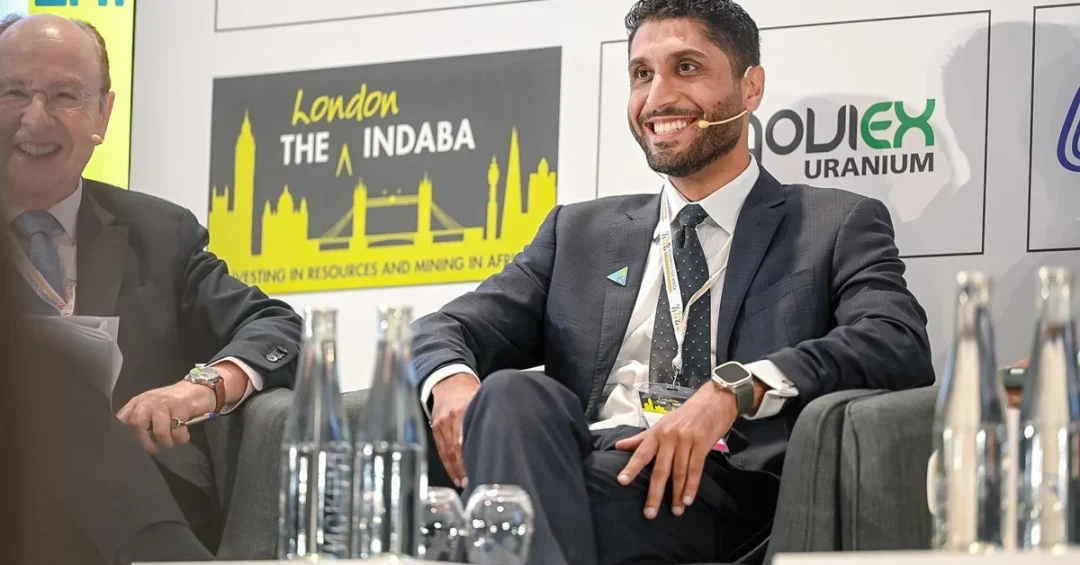
Saudi Arabia’s Deputy Minister for Mineral Resources Management, Abdulrahman AlBelushi, participated in the London Indaba Conference on July 4, 2024, where he reaffirmed the Kingdom’s commitment to collaborating with African nations on critical minerals and resource development. The conference, held under the theme “Investing in Resources and Mining in Africa,” served as a platform for Saudi Arabia to highlight its strategic partnerships and contributions to the continent’s economic growth.
Context and Background
The London Indaba Conference is a prominent global gathering that focuses on mining and investment opportunities in Africa. Saudi Arabia’s participation underscores its proactive role in fostering international cooperation and supporting sustainable development. The Kingdom’s engagement aligns with its broader strategy to diversify its economy and strengthen ties with African countries, as part of Vision 2030.
Over the past four decades, Saudi Arabia has demonstrated its commitment to Africa through substantial financial contributions. The Saudi Fund for Development has provided over $10 billion in aid for infrastructure development across the continent, while the Islamic Development Bank has financed projects worth more than $220 billion. These efforts have significantly boosted trade, which grew from $17 billion in 2012 to $44 billion in 2023, reflecting the deepening economic relationship between Saudi Arabia and Africa.
Key Details
In his address, Deputy Minister AlBelushi emphasized the importance of collaboration on critical minerals as a strategic move to create mutual benefits. He stated, “We are all about making sustainable impacts and creating mutual benefits, including increased trade, job creation, technological transfer, and strengthened economic ties that contribute to the prosperity of both Saudi Arabia and the African nations involved.”
AlBelushi’s remarks highlighted the Kingdom’s focus on resource development, infrastructure, and economic diversification. The participation of Saudi Arabia in the London Indaba Conference is part of its ongoing efforts to enhance partnerships in the mining sector, which is a key component of its economic transformation under Vision 2030.
Implications and Impact
Saudi Arabia’s engagement with African nations in the mining sector has far-reaching implications. It not only strengthens bilateral relations but also contributes to the sustainable development of Africa’s resource-rich economies. By investing in critical minerals, Saudi Arabia aims to secure supply chains for its industries while supporting job creation and technological transfer in Africa.
Furthermore, the Kingdom’s involvement in the London Indaba Conference reinforces its role as a global player in the mining and resources sector. It signals Saudi Arabia’s willingness to share its expertise and resources to foster economic growth and stability in the region, aligning with its commitment to international cooperation and development.
Vision 2030 Alignment
Saudi Arabia’s participation in the London Indaba Conference is a clear reflection of its Vision 2030 goals, which include economic diversification, international collaboration, and sustainable development. By partnering with African nations on critical minerals, the Kingdom is not only advancing its own economic interests but also contributing to the prosperity of its partners. This aligns with Vision 2030’s emphasis on building a diversified and sustainable economy through global engagement and investment in key sectors.
20 Questions
Q1. What event did Saudi Arabia’s Deputy Minister for Mineral Resources Management participate in?
A1. Abdulrahman AlBelushi participated in the London Indaba Conference on July 4, 2024, where he represented Saudi Arabia and highlighted the Kingdom’s commitment to collaborating with African nations on critical minerals and resource development.
Q2. What was the theme of the London Indaba Conference?
A2. The conference was held under the theme “Investing in Resources and Mining in Africa,” focusing on opportunities and strategies for developing Africa’s mining sector and promoting investment in its vast mineral resources.
Q3. How much has the Saudi Fund for Development contributed to infrastructure in Africa?
A3. Over the past four decades, the Saudi Fund for Development has contributed more than $10 billion in aid towards infrastructure development across the African continent, supporting projects that enhance connectivity and economic growth.
Q4. What is the value of projects financed by the Islamic Development Bank in Africa?
A4. The Islamic Development Bank has financed projects worth over $220 billion in Africa, covering various sectors such as infrastructure, education, and healthcare, thereby fostering sustainable development and improving livelihoods.
Q5. How has trade between Saudi Arabia and Africa evolved?
A5. Trade between Saudi Arabia and Africa has grown significantly from $17 billion in 2012 to $44 billion in 2023, reflecting the strengthening economic ties and mutual benefits derived from increased commercial exchanges and investments.
Q6. What did AlBelushi emphasize in his closing remarks?
A6. AlBelushi emphasized Saudi Arabia’s focus on making sustainable impacts and creating mutual benefits, including increased trade, job creation, technological transfer, and strengthened economic ties that contribute to the prosperity of both Saudi Arabia and African nations.
Q7. Why is Saudi Arabia keen on collaborating with African nations on critical minerals?
A7. Saudi Arabia views collaboration on critical minerals as a strategic move to create mutual benefits in resource development, infrastructure, and economic diversification, ensuring a stable supply of minerals for its industries while supporting Africa’s growth.
Q8. What are the key areas of cooperation between Saudi Arabia and Africa mentioned by AlBelushi?
A8. The key areas include resource development, infrastructure, and economic diversification. These areas are central to enhancing bilateral relations and promoting sustainable development across the continent.
Q9. How does Saudi Arabia’s participation in the London Indaba Conference align with Vision 2030?
A9. It aligns with Vision 2030 by promoting economic diversification, international collaboration, and sustainable development. The Kingdom aims to build a diversified economy through global engagement and investment in key sectors like mining.
Q10. What is the significance of Saudi Arabia’s engagement with African nations in the mining sector?
A10. It strengthens bilateral relations, contributes to sustainable development in Africa, and helps secure supply chains for Saudi industries. It also supports job creation and technological transfer, benefiting both regions economically.
Q11. How does Saudi Arabia’s involvement in the conference reflect its global role?
A11. It reinforces Saudi Arabia’s role as a global player in mining and resources, demonstrating its willingness to share expertise and resources to foster economic growth and stability in Africa, in line with its commitment to international cooperation.
Q12. What are the expected outcomes of Saudi Arabia’s collaboration with African nations?
A12. Expected outcomes include increased trade, job creation, technological transfer, and strengthened economic ties. These will contribute to the prosperity of both Saudi Arabia and the involved African nations, fostering long-term partnerships.
Q13. How does Saudi Arabia’s aid to Africa compare to other countries?
A13. Saudi Arabia’s aid to Africa, through the Saudi Fund for Development and the Islamic Development Bank, is substantial, totaling over $10 billion and $220 billion respectively, reflecting the Kingdom’s significant commitment to the continent’s development.
Q14. What role does the Saudi Fund for Development play in Africa?
A14. The Saudi Fund for Development provides financial assistance for infrastructure projects in Africa, supporting economic growth and improving living standards. It has contributed over $10 billion in aid over the past four decades.
Q15. How does the Islamic Development Bank support Africa?
A15. The Islamic Development Bank finances projects in various sectors across Africa, including infrastructure, education, and healthcare, with total financing exceeding $220 billion, thereby promoting sustainable development and poverty reduction.
Q16. What are critical minerals and why are they important?
A16. Critical minerals are essential raw materials for modern technologies and industries, including renewable energy, electronics, and defense. They are vital for economic development and national security, making their sustainable supply crucial.
Q17. How does Saudi Arabia benefit from trade with Africa?
A17. Saudi Arabia benefits from trade with Africa through increased market access, investment opportunities, and access to critical minerals. The growing trade volume, reaching $44 billion in 2023, reflects these mutual benefits.
Q18. What is the London Indaba Conference’s focus?
A18. The London Indaba Conference focuses on investing in resources and mining in Africa, bringing together global leaders, investors, and policymakers to discuss opportunities, challenges, and strategies for developing the continent’s mining sector.
Q19. How does Saudi Arabia’s participation benefit African nations?
A19. Saudi Arabia’s participation brings investment, expertise, and financial resources to African nations, supporting infrastructure development, job creation, and technological transfer. It also strengthens economic ties and fosters sustainable growth.
Q20. What message did AlBelushi convey about Saudi Arabia’s approach to collaboration?
A20. AlBelushi conveyed that Saudi Arabia is committed to sustainable impacts and mutual benefits through collaboration, emphasizing increased trade, job creation, and technological transfer to achieve prosperity for both Saudi Arabia and African nations.
Reader Feedback
We value your thoughts. Please share your feedback on this article.
Your feedback helps us improve our coverage.