


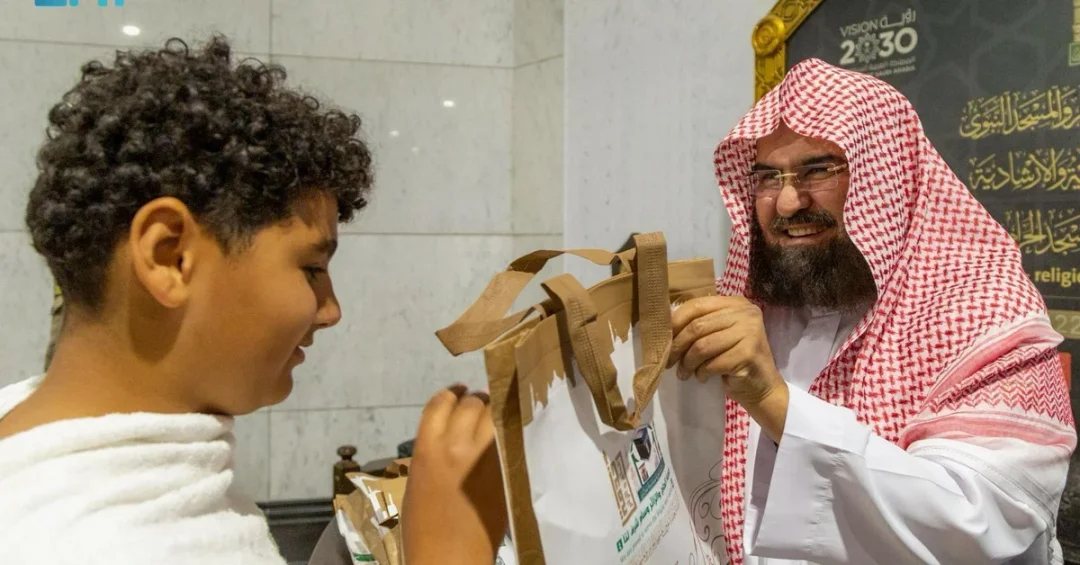
The Presidency for Religious Affairs of the Two Holy Mosques has launched an initiative to enhance the pilgrimage experience for elderly, disabled, and sick visitors, underscoring Saudi Arabia’s commitment to inclusive religious services. The announcement, made on May 20, 2024, via the Saudi Press Agency, outlines specialized care programs, staff training, and the use of flexible technologies to ensure all pilgrims can perform Hajj rituals with dignity and ease.
Context and Background
The initiative comes as Saudi Arabia prepares to welcome millions of pilgrims for Hajj and Umrah, a cornerstone of its Vision 2030 strategy to enrich religious tourism. The Kingdom has long invested in infrastructure and services at the Grand Mosque in Makkah and the Prophet’s Mosque in Madinah, but this new focus specifically addresses the needs of pilgrims requiring additional assistance. By prioritizing accessibility, Saudi Arabia aims to set a global benchmark for inclusive religious hospitality.
Key Details
Sheikh Dr. Abdul Rahman Al-Sudais, head of religious affairs at the Two Holy Mosques, emphasized that the initiative will “highlight the humanitarian role of the Kingdom of Saudi Arabia” by focusing on sick pilgrims, the elderly, and the disabled. The program includes training staff to provide appropriate care, preparing resources to facilitate access to holy sites, and deploying flexible technologies that adapt to varying abilities. These measures are designed to create a seamless and supportive environment for all worshippers.
Implications and Impact
The initiative reinforces Saudi Arabia’s leadership in humanitarian service and religious diplomacy, with an impact that extends beyond its borders. By enhancing accessibility, the Kingdom not only fulfills a moral duty but also strengthens its reputation as a welcoming destination for Muslims worldwide. The move is expected to boost pilgrim satisfaction, encourage repeat visits, and support the broader economic goals of Vision 2030, which aims to increase Umrah and Hajj capacity.
Vision 2030 Alignment
This initiative directly aligns with Vision 2030’s goal of improving religious services at the holy mosques and enriching the pilgrim experience. It reflects the Kingdom’s ongoing commitment to inclusivity, innovation, and excellence in serving guests of Allah. As Saudi Arabia continues to modernize its infrastructure and services, such initiatives pave the way for a more accessible and spiritually fulfilling journey for every pilgrim.
20 Questions
Q1. What is the main purpose of the initiative launched by the Presidency for Religious Affairs?
A1. The main purpose is to improve the pilgrimage experience for elderly, disabled, and sick pilgrims by providing specialized care, training staff, and using flexible technologies to ensure a comfortable and dignified worship environment.
Q2. Which two holy mosques are involved in this initiative?
A2. The initiative covers the Grand Mosque in Makkah and the Prophet’s Mosque in Madinah, both of which are central to the Hajj and Umrah pilgrimages.
Q3. Who made the announcement about this initiative?
A3. The announcement was made by Sheikh Dr. Abdul Rahman Al-Sudais, head of the Presidency for Religious Affairs of the Two Holy Mosques, through the Saudi Press Agency.
Q4. How will the initiative assist elderly pilgrims?
A4. The initiative will provide specialized care, making it easier for elderly pilgrims to access holy sites. Trained staff and resources will ensure they receive appropriate support throughout their pilgrimage.
Q5. What types of technology will be used to support pilgrims with disabilities?
A5. Flexible technologies will be deployed to address the religious needs of pilgrims with varying abilities, enhancing their overall experience and accessibility to worship areas.
Q6. How does this initiative reflect Saudi Arabia’s humanitarian role?
A6. According to Sheikh Al-Sudais, the initiative highlights the Kingdom’s humanitarian role by taking greater care of sick, elderly, and disabled pilgrims, demonstrating compassion and inclusivity.
Q7. Does this initiative align with Saudi Vision 2030?
A7. Yes, it aligns with Vision 2030’s goal of improving religious services at the holy mosques and enriching the overall Hajj and Umrah experience for all pilgrims, including those with special needs.
Q8. What is the significance of focusing on sick pilgrims?
A8. Focusing on sick pilgrims ensures that those with health conditions can perform religious rites safely and comfortably, reflecting the Kingdom’s commitment to caring for vulnerable individuals.
Q9. Will staff receive special training for this initiative?
A9. Yes, the presidency will train staff to ensure they are equipped to provide appropriate care and assistance to pilgrims with special needs.
Q10. How will access to holy places be improved?
A10. The initiative will make it easier for pilgrims to access the holy places where they perform Hajj rituals, likely through improved infrastructure and support services.
Q11. What is the role of the Saudi Press Agency in this announcement?
A11. The Saudi Press Agency (SPA) served as the official channel for announcing the initiative, ensuring accurate dissemination of information.
Q12. When was the initiative launched?
A12. The initiative was announced on May 20, 2024, as per the SPA report.
Q13. What are the expected outcomes for pilgrims with disabilities?
A13. Pilgrims with disabilities can expect an enhanced worship environment, greater accessibility, and a more dignified pilgrimage experience.
Q14. How does this initiative support the broader goals of Vision 2030?
A14. It supports Vision 2030 by enhancing religious tourism services, improving capacity, and ensuring pilgrims have a positive experience, which in turn boosts the Kingdom’s global standing and economy.
Q15. Are there any specific measures for elderly pilgrims mentioned?
A15. The initiative includes specialized care and preparation of resources to ensure elderly pilgrims receive appropriate support, facilitating their access to worship areas.
Q16. What is the significance of using “flexible technologies”?
A16. Flexible technologies adapt to the needs of pilgrims with varying abilities, making religious practices more accessible and enhancing comfort.
Q17. Which other groups are targeted by this initiative?
A17. The initiative targets sick pilgrims, the elderly, and people with disabilities, as well as anyone in poor health requiring additional assistance.
Q18. How does this initiative contribute to the Kingdom’s international reputation?
A18. By prioritizing inclusivity and care for vulnerable pilgrims, Saudi Arabia strengthens its reputation as a compassionate and hospitable leader in the Muslim world.
Q19. Will the initiative affect the overall number of pilgrims who can be accommodated?
A19. While not directly stated, improving services and accessibility may contribute to Vision 2030’s aim of increasing Umrah and Hajj capacity, as a better experience attracts more visitors.
Q20. What is the long-term vision for providing services at the Two Holy Mosques?
A20. The long-term vision is to continuously enhance services to make pilgrimages more inclusive and spiritually fulfilling, aligning with the Kingdom’s commitment to serve the guests of Allah as part of Vision 2030.
Reader Feedback
We value your thoughts. Please share your feedback on this article.
Your feedback helps us improve our coverage.