


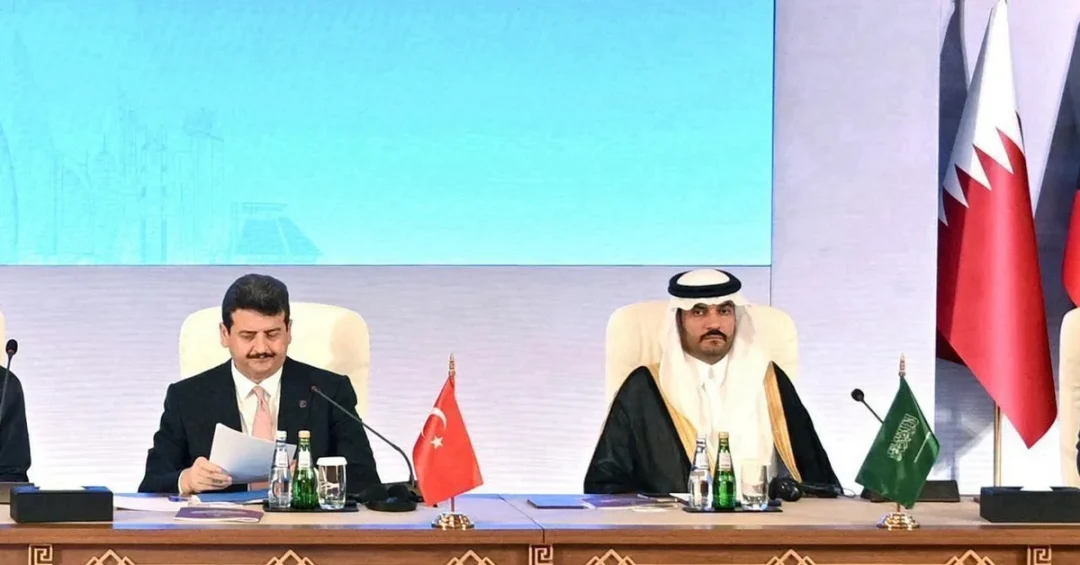
The Ministry of Interior of the Kingdom of Saudi Arabia, represented by a delegation led by Dr. Fahad Alwatban, Acting Director General of King Fahd Security College and Vice President of the International Association of Police Academies (INTERPA), participated in the 15th INTERPA Conference hosted by the Qatari Police Academy in Doha on November 19, 2026. The high-level gathering brought together police training leaders, security experts, and academic professionals from around the world to strengthen international cooperation, exchange institutional expertise, and advance the future of security education and training. How does such international engagement reflect Saudi Arabia’s commitment to global security partnerships? The participation underscores the Kingdom’s proactive role in shaping modern policing strategies and its dedication to fostering collaborative frameworks that address shared security challenges.
The conference, held under the umbrella of INTERPA, focused on critical themes including strategic knowledge governance, the integration of emerging technologies in security operations, data protection, and the modernization of academic curricula to keep pace with digital transformation and evolving security requirements. Saudi Arabia’s active involvement in this global forum highlights its leadership in security education and its alignment with Vision 2030 goals to enhance institutional excellence and international cooperation. The delegation’s presence in Doha also reinforces the strong bilateral ties between Saudi Arabia and Qatar, reflecting the broader spirit of Gulf unity and shared regional security objectives.
Context and Background
What is the significance of INTERPA in the global security landscape? The International Association of Police Academies (INTERPA) serves as a premier platform for police training institutions worldwide to collaborate on research, curriculum development, and capacity-building initiatives. Established to enhance the quality of police education, INTERPA facilitates the exchange of best practices and fosters innovation in law enforcement training. Saudi Arabia’s active membership and leadership within INTERPA, exemplified by Dr. Fahad Alwatban’s role as Vice President, demonstrate the Kingdom’s commitment to advancing global security standards and its recognition as a key player in international policing affairs.
The 15th INTERPA Conference, hosted by the Qatari Police Academy, marks another milestone in the association’s history of promoting international cooperation. The event convened delegations from numerous countries, each bringing unique perspectives on how to address contemporary security challenges. For Saudi Arabia, participation in such forums is not merely symbolic; it is a strategic imperative. The Kingdom has long prioritized the development of its security sector, investing in advanced training programs, state-of-the-art facilities, and partnerships with leading global institutions. The Ministry of Interior’s delegation, led by Dr. Alwatban, brought to the table Saudi Arabia’s rich experience in managing security during large-scale events, counterterrorism efforts, and the integration of smart technologies in policing.
The conference agenda reflects the evolving nature of security threats, which increasingly transcend national borders and require coordinated responses. Topics such as strategic knowledge governance emphasize the need for robust frameworks to manage information and intelligence effectively. The use of emerging technologies, including artificial intelligence, big data analytics, and biometric systems, was a central focus, as these tools are transforming how police forces operate and train. Data protection emerged as a critical concern, given the rising cyber threats and the importance of safeguarding sensitive information. Updating academic curricula ensures that future law enforcement officers are equipped with the skills and knowledge to navigate this complex landscape. Saudi Arabia’s contributions to these discussions are informed by its own domestic advancements and its Vision 2030 reform agenda, which seeks to build a resilient, knowledge-based economy and society.
Key Details
What specific outcomes can be expected from this conference? The 15th INTERPA Conference featured a series of sessions, workshops, and panel discussions designed to facilitate deep engagement among participants. Dr. Fahad Alwatban, in his capacity as Vice President of INTERPA, played a prominent role in steering the conversations toward actionable strategies. The Saudi delegation shared insights from the Kingdom’s experience in establishing King Fahd Security College as a center of excellence, which has become a model for police training in the region. The college’s curriculum integrates theoretical knowledge with practical training, leveraging simulations, field exercises, and international exchanges to produce well-rounded security professionals.
Discussions on strategic knowledge governance highlighted the importance of creating centralized repositories for training materials, research, and operational best practices. Participants explored how to ensure that knowledge is accessible, up-to-date, and aligned with international standards. The Saudi delegation emphasized the role of digital platforms in disseminating training content and facilitating continuous learning. On the technology front, the conference examined the deployment of AI-driven tools for crime prediction, facial recognition, and traffic management, as well as the ethical considerations surrounding their use. Data protection sessions addressed legal and technical measures to secure personal and institutional data, with Saudi Arabia sharing its own regulatory framework, including the Personal Data Protection Law, which aligns with global best practices.
Another key focus was the revision of academic curricula to incorporate modules on cybersecurity, digital forensics, and community policing. The Saudi delegation advocated for a balanced approach that combines technological proficiency with human-centric skills such as communication, empathy, and cultural sensitivity. The conference concluded with a set of recommendations aimed at enhancing cooperation among member institutions, including joint training programs, faculty exchanges, and collaborative research projects. These outcomes are expected to strengthen the capabilities of police academies worldwide and contribute to more effective and harmonious law enforcement practices.
International and Regional Impact
How does Saudi Arabia’s participation influence regional and global security dynamics? The Kingdom’s active role in INTERPA and its leadership in security education have far-reaching implications. At the regional level, Saudi Arabia’s collaboration with Qatar and other Gulf states fosters a unified approach to security challenges, promoting stability and mutual trust. The conference provided an opportunity to reaffirm the strong bonds between Gulf Cooperation Council (GCC) countries, which share common interests in combating terrorism, organized crime, and cyber threats. By working together, these nations can pool resources, share intelligence, and develop interoperable systems that enhance collective security.
On the international stage, Saudi Arabia’s engagement in INTERPA signals its commitment to global security governance. The Kingdom’s expertise in managing large-scale events, such as the annual Hajj pilgrimage, which involves coordinating security for millions of pilgrims, is highly regarded. Sharing this expertise with other nations contributes to global best practices and positions Saudi Arabia as a responsible and reliable partner. Moreover, the conference serves as a platform for Saudi Arabia to learn from other countries, adopting innovative approaches that can be tailored to its own context. This two-way exchange of knowledge strengthens international cooperation and builds resilience against evolving threats. The presence of Dr. Alwatban as Vice President of INTERPA further elevates the Kingdom’s profile, enabling it to influence the global security agenda and advocate for policies that align with its values and Vision 2030 objectives.
Economic and Strategic Significance
What are the economic and strategic benefits of Saudi Arabia’s involvement in such conferences? Participation in international security forums like INTERPA yields tangible benefits for Saudi Arabia’s economy and strategic position. First, it enhances the Kingdom’s reputation as a safe and stable destination for investment, tourism, and business. A robust security apparatus is a prerequisite for economic growth, and by showcasing its capabilities, Saudi Arabia attracts foreign partners who value reliability and professionalism. Second, the exchange of knowledge and technology can lead to cost savings and efficiency gains. By adopting best practices and cutting-edge tools, the Ministry of Interior can optimize its operations, reduce redundancies, and allocate resources more effectively.
Strategically, the conference reinforces Saudi Arabia’s leadership in the region and its role as a bridge between East and West. The Kingdom’s ability to convene and collaborate with diverse nations underscores its diplomatic reach and soft power. Furthermore, the focus on emerging technologies aligns with Vision 2030’s goal of creating a digital economy. The security sector is a key beneficiary of advancements in AI, IoT, and data analytics, and Saudi Arabia’s investments in these areas are poised to generate high-skilled jobs and foster innovation. The conference also opens avenues for partnerships with private sector companies specializing in security solutions, which can contribute to the growth of a domestic security industry. Overall, the strategic significance extends beyond immediate security gains to encompass long-term economic diversification and global influence.
Vision 2030 Alignment
How does the Ministry of Interior’s participation in the 15th INTERPA Conference align with Saudi Vision 2030? Vision 2030 is a comprehensive blueprint for transforming Saudi Arabia into a diversified, knowledge-based economy and a model of governance and social progress. A core pillar of this vision is the enhancement of public sector performance, including the security sector, through innovation, transparency, and international cooperation. The Ministry of Interior’s engagement in INTERPA directly supports these objectives by facilitating the exchange of expertise, promoting the adoption of advanced technologies, and ensuring that Saudi security personnel receive world-class training. This aligns with the Vision’s emphasis on building a skilled workforce, fostering a culture of excellence, and leveraging global partnerships to accelerate national development.
Moreover, the conference’s focus on data protection and digital transformation resonates with Vision 2030’s digital agenda, which aims to create a secure and resilient cyberspace. By participating in discussions on these topics, Saudi Arabia can benchmark its policies against international standards and continuously improve its regulatory environment. The leadership of Dr. Fahad Alwatban in INTERPA also highlights the Kingdom’s commitment to empowering qualified individuals to take on global roles, reflecting the Vision’s goal of nurturing talent and promoting meritocracy. Ultimately, the Ministry of Interior’s active involvement in this international forum exemplifies how Saudi Arabia is translating Vision 2030 into action, building a safer, more prosperous future for its citizens and contributing to global peace and security.
20 Questions
Q1. What was the main purpose of the 15th INTERPA Conference?
A1. The conference aimed to strengthen international cooperation among police training institutions, exchange expertise, and advance security education and training through discussions on technology, data protection, and curriculum modernization.
Q2. Who led the Saudi Ministry of Interior’s delegation to the conference?
A2. Dr. Fahad Alwatban, Acting Director General of King Fahd Security College and Vice President of INTERPA, led the delegation, representing the Kingdom’s commitment to global security partnerships.
Q3. Where and when was the 15th INTERPA Conference held?
A3. The conference took place in Doha, Qatar, on November 19, 2026, hosted by the Qatari Police Academy, bringing together police training leaders from around the world.
Q4. What is INTERPA and what does it do?
A4. INTERPA, the International Association of Police Academies, is a global platform for police training institutions to collaborate on research, curriculum development, and capacity-building initiatives to enhance law enforcement education.
Q5. What key topics were discussed at the conference?
A5. Sessions focused on strategic knowledge governance, emerging technologies in security operations, data protection, and updating academic curricula to keep pace with digital transformation.
Q6. How does Saudi Arabia benefit from participating in INTERPA?
A6. Participation allows Saudi Arabia to share its expertise, learn from other nations, enhance its security sector, and reinforce its leadership in global security education, aligning with Vision 2030 goals.
Q7. What role does Dr. Fahad Alwatban play in INTERPA?
A7. Dr. Alwatban serves as Vice President of INTERPA, a position that enables him to influence the global security agenda and advocate for policies aligning with Saudi Arabia’s values and objectives.
Q8. How does the conference strengthen Saudi-Qatar relations?
A8. The conference fosters collaboration and mutual trust between Saudi Arabia and Qatar, reinforcing Gulf unity and shared regional security objectives through joint efforts in police training.
Q9. What are the implications of emerging technologies in security operations?
A9. Emerging technologies like AI and big data enhance crime prediction, traffic management, and forensic analysis, but require ethical frameworks and data protection measures to ensure responsible use.
Q10. Why is data protection a critical topic for police academies?
A10. Data protection is vital to safeguard sensitive information from cyber threats, maintain public trust, and comply with international standards, especially as police forces increasingly rely on digital systems.
Q11. How does King Fahd Security College contribute to security education?
A11. King Fahd Security College serves as a center of excellence, integrating theoretical knowledge with practical training, simulations, and international exchanges to produce well-rounded security professionals.
Q12. What outcomes were expected from the conference?
A12. The conference aimed to produce recommendations for joint training programs, faculty exchanges, and collaborative research, enhancing the capabilities of police academies worldwide.
Q13. How does Saudi Arabia’s participation align with Vision 2030?
A13. It supports Vision 2030 by enhancing public sector performance, fostering international cooperation, adopting advanced technologies, and building a skilled workforce for a secure future.
Q14. What is strategic knowledge governance in the context of policing?
A14. Strategic knowledge governance involves creating frameworks to manage training materials, research, and best practices, ensuring they are accessible, up-to-date, and aligned with international standards.
Q15. How can international cooperation improve security training?
A15. International cooperation enables the sharing of best practices, resources, and innovations, leading to more effective training curricula and interoperable security systems among nations.
Q16. What economic benefits does Saudi Arabia gain from such conferences?
A16. They enhance Saudi Arabia’s reputation as a safe destination for investment, attract partnerships, and promote the growth of a domestic security industry through technology adoption.
Q17. What is the significance of updating academic curricula in police training?
A17. Updating curricula ensures officers are equipped with skills in cybersecurity, digital forensics, and community policing, keeping pace with evolving security challenges and technological advancements.
Q18. How does the conference reflect Saudi Arabia’s global role?
A18. It showcases Saudi Arabia as a responsible global partner, sharing expertise in managing large-scale events and counterterrorism, and contributing to international security governance.
Q19. What are the key takeaways for Saudi Arabia from the conference?
A19. Key takeaways include adopting best practices in technology integration, enhancing data protection regulations, and strengthening partnerships for joint training and research initiatives.
Q20. How does this conference support global peace and security?
A20. By fostering collaboration and standardization in police training, the conference helps build capable law enforcement agencies worldwide, contributing to stability, rule of law, and global security.
Reader Feedback
We value your thoughts. Please share your feedback on this article.
Your feedback helps us improve our coverage.
Related articles
 Saudi FM Discusses Regional Issues with UK MPs
 Qatar Condemns Houthi Attacks on Saudi Arabia
 Saudi Arabia Condemns Houthi Attacks on Riyadh Facilities
 Jordan Condemns Houthi Attacks on Riyadh’s KAFD
 Mufti of Akkar Condemns Houthi Attacks on Saudi Arabia
 Saudi Minister Approves 30 Winners of West Africa Quran Competition