


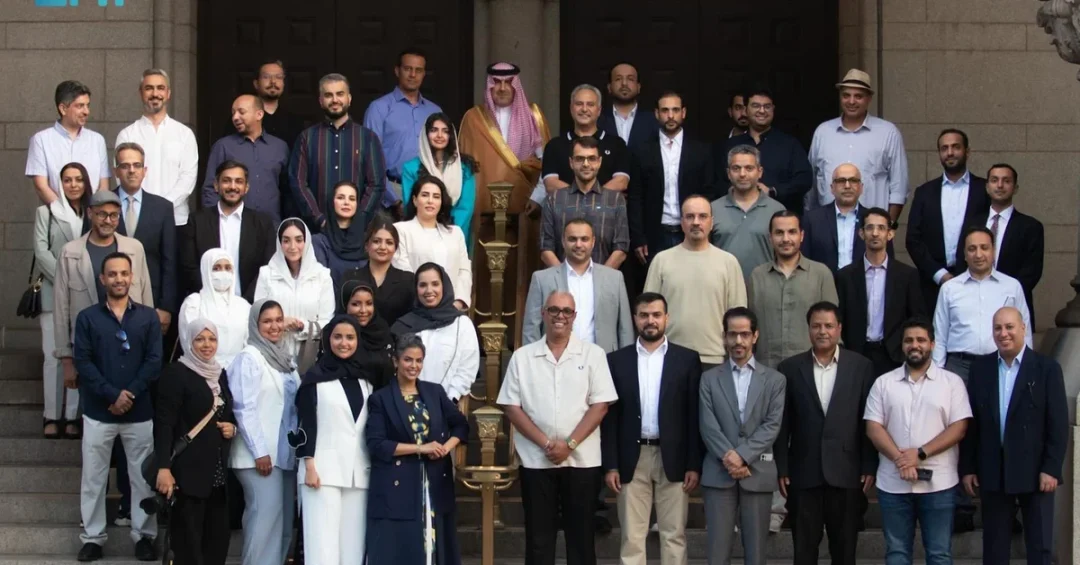
Dr. Hussam Abdulmohsen Alangari, President of the General Court of Audit and Chairman of the Board of Directors of the Saudi Institute of Internal Auditors, met with the Saudi delegation participating in the International Conference of the Institute of Internal Auditors (IIA) in Washington, D.C., held from July 15-17, 2024. The meeting underscored the Kingdom’s growing influence in the global internal audit profession and highlighted Saudi Arabia’s commitment to advancing international best practices under Vision 2030.
Context and Background
The IIA International Conference is the premier annual gathering for internal audit professionals worldwide, attracting thousands of delegates from across the globe. This year’s event in Washington, D.C., provided a platform for discussing emerging trends, challenges, and innovations shaping the profession. The Saudi Institute of Internal Auditors, established to promote excellence and professionalism in the field, has been an active participant in IIA conferences, reflecting the Kingdom’s dedication to global engagement and knowledge exchange.
Saudi Arabia’s presence at the conference aligns with its broader strategy to enhance transparency, accountability, and governance across public and private sectors. The delegation’s participation demonstrates the Kingdom’s proactive approach to adopting international standards and contributing to the global dialogue on internal audit.
Key Details
The Saudi delegation comprised 100 participants, including internal audit leaders, service providers, and five expert speakers. Dr. Alangari chaired a meeting with the delegation to discuss the Kingdom’s influential role in the global business landscape within the internal audit profession. The conference sessions covered a range of topics, including the profession’s Vision 2035, the significance of consultants in internal audit, integrated assurance across lines of defense, and audit considerations in construction projects.
These discussions highlighted Saudi Arabia’s leading position regionally and internationally in internal audit. The delegation’s active engagement in conference sessions and networking events further cemented the Kingdom’s reputation as a key player in shaping the future of the profession.
Implications and Impact
The Kingdom’s strong showing at the IIA International Conference has significant implications for the global internal audit community. By sharing expertise and best practices, Saudi Arabia contributes to raising professional standards worldwide. Moreover, the conference provides an opportunity for Saudi professionals to learn from international peers, fostering continuous improvement and innovation within the Kingdom’s internal audit sector.
Regionally, Saudi Arabia’s leadership in this field reinforces its role as a model for other Middle Eastern countries seeking to enhance governance and accountability. Internationally, the Kingdom’s participation strengthens ties with global institutions and promotes cross-border collaboration.
Vision 2030 Alignment
This engagement is closely aligned with Saudi Vision 2030, which emphasizes transparency, efficiency, and robust governance as pillars of economic diversification and sustainable development. By investing in human capital and promoting international cooperation in internal audit, the Kingdom is building the institutional capacity needed to achieve its ambitious transformation goals.
As Saudi Arabia continues to modernize its economy and public sector, the internal audit profession will play a vital role in ensuring accountability and driving performance. The Saudi Institute of Internal Auditors’ active participation in global forums like the IIA International Conference exemplifies the Kingdom’s forward-looking approach and its commitment to excellence on the world stage.
20 Questions
Q1. What was the purpose of the Saudi Institute of Internal Auditors’ meeting at the IIA conference?
A1. The meeting aimed to emphasize the Kingdom’s influential role in the global business landscape within the internal audit profession and discuss key topics relevant to the field.
Q2. Who chaired the meeting with the Saudi delegation?
A2. Dr. Hussam Abdulmohsen Alangari, President of the General Court of Audit and Chairman of the Board of Directors of the Saudi Institute of Internal Auditors, chaired the meeting.
Q3. How many participants were in the Saudi delegation?
A3. The Saudi delegation comprised 100 participants, including internal audit leaders, service providers, and five expert speakers.
Q4. What topics were covered in the conference sessions?
A4. Sessions covered the profession’s Vision 2035, the significance of consultants in internal audit, integrated assurance across lines of defense, and audit considerations in construction projects.
Q5. Where and when was the IIA International Conference held?
A5. The conference was held in Washington, D.C., from July 15-17, 2024.
Q6. What does the Saudi Institute of Internal Auditors aim to achieve?
A6. The institute aims to promote excellence, professionalism, and best practices in internal auditing across Saudi Arabia.
Q7. How does Saudi Arabia’s participation reflect its global engagement?
A7. It demonstrates the Kingdom’s commitment to international cooperation, knowledge exchange, and adopting global standards in internal audit.
Q8. What is the significance of the profession’s Vision 2035?
A8. Vision 2035 outlines the strategic direction for the internal audit profession, focusing on future trends, innovation, and enhanced value delivery.
Q9. Why are consultants important in internal audit?
A9. Consultants bring specialized expertise, fresh perspectives, and best practices that help organizations enhance their internal audit functions.
Q10. What is integrated assurance across lines of defense?
A10. It is a coordinated approach to risk management and assurance that aligns various oversight functions to provide comprehensive coverage and reduce duplication.
Q11. What are audit considerations in construction projects?
A11. These include assessing project risks, ensuring compliance, monitoring costs, and evaluating controls to safeguard resources and achieve objectives.
Q12. How does the conference benefit the Saudi delegation?
A12. It provides opportunities to learn from global peers, share experiences, and bring back best practices to enhance the Kingdom’s internal audit sector.
Q13. What is the role of the General Court of Audit in Saudi Arabia?
A13. The General Court of Audit is the supreme audit institution responsible for overseeing public funds and promoting accountability and transparency.
Q14. How does internal audit support Vision 2030?
A14. It strengthens governance, ensures efficient use of resources, and supports accountability, which are essential for achieving Vision 2030 goals.
Q15. What is the IIA?
A15. The Institute of Internal Auditors is the global professional association for internal auditors, setting standards and providing education and certification.
Q16. How many expert speakers were part of the Saudi delegation?
A16. Five expert speakers were part of the Saudi delegation.
Q17. What does the meeting indicate about Saudi Arabia’s regional position?
A17. It highlights the Kingdom’s leading role in the internal audit profession both regionally and internationally.
Q18. How does this participation align with Saudi Vision 2030?
A18. It aligns with Vision 2030’s emphasis on transparency, efficiency, and robust governance as pillars of economic diversification and sustainable development.
Q19. What are the key takeaways from the conference for Saudi Arabia?
A19. Key takeaways include insights into global trends, networking opportunities, and strategies to further advance the internal audit profession in the Kingdom.
Q20. What future steps will the Saudi Institute of Internal Auditors take?
A20. The institute will continue to engage in international forums, promote professional development, and implement best practices to support Saudi Arabia’s strategic objectives.
Reader Feedback
We value your thoughts. Please share your feedback on this article.
Your feedback helps us improve our coverage.