


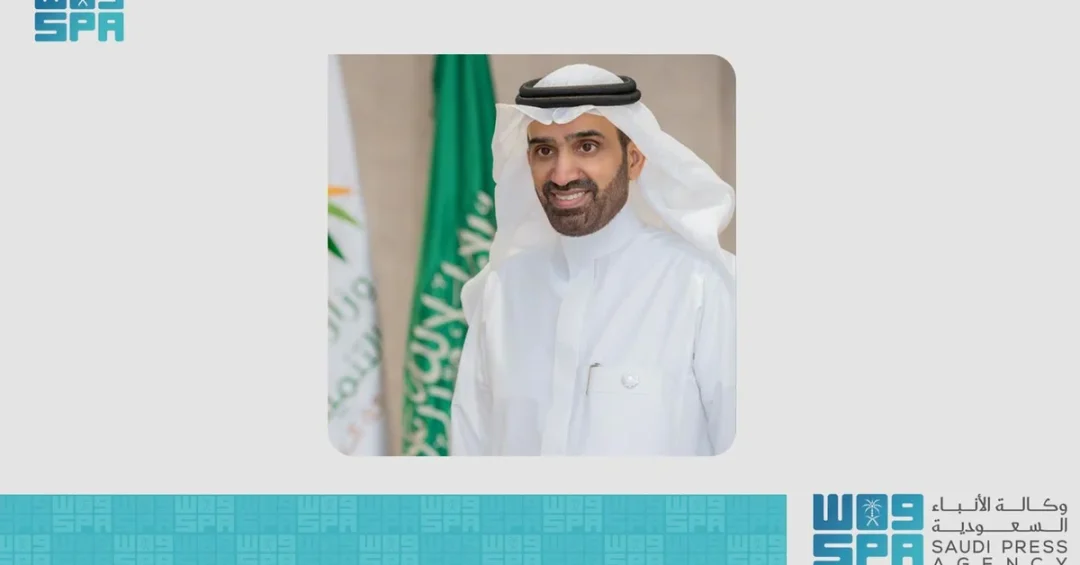
Saudi Minister of Human Resources and Social Development Ahmed Al-Rajhi held a virtual meeting with Jordanian Minister of Labor Dr. Khalid Mahmoud Al-Bakkar to discuss ways to enhance bilateral labor cooperation, in a session attended by officials and experts from both countries. The meeting, announced via the Saudi Press Agency, focused on exploring new opportunities for collaboration that would benefit both nations, reflecting the Ministry’s broader strategy to foster stronger international partnerships, share expertise, and learn from diverse experiences in the labor market. The discussions underscore the Kingdom’s commitment to regional cooperation under the leadership of the Custodian of the Two Holy Mosques, King Salman bin Abdulaziz Al Saud, and His Royal Highness Crown Prince Mohammed bin Salman bin Abdulaziz Al Saud, Prime Minister.
Why does labor diplomacy matter so much in today’s rapidly changing global economy? As nations across the Middle East navigate shifting employment landscapes, skills gaps, and the demands of digital transformation, Saudi Arabia has positioned itself as a proactive leader in fostering cross-border collaboration. The meeting between Al-Rajhi and Al-Bakkar is not an isolated event but part of a sustained effort by the Ministry of Human Resources and Social Development to build bridges with regional partners. It reflects a recognition that labor markets are increasingly interconnected and that shared challenges—from youth unemployment to the need for upskilling—require coordinated responses. The virtual format also highlights Saudi Arabia’s embrace of digital tools for diplomacy, a practical approach that saves time and resources while maintaining high-level engagement.
Context and Background
How did this meeting come about, and what broader trends does it represent? The relationship between Saudi Arabia and Jordan has long been characterized by close economic and political ties, rooted in shared history and mutual interests. In recent years, labor cooperation has emerged as a key pillar of this relationship. Jordan, with its well-educated workforce and strategic location, has been a source of skilled labor for the Kingdom, while Saudi Arabia’s ambitious development projects under Vision 2030 have created demand for diverse talents. The Ministry of Human Resources and Social Development, led by Minister Al-Rajhi, has been at the forefront of efforts to streamline labor mobility, protect worker rights, and enhance productivity. This virtual meeting builds on previous exchanges and signals a mutual desire to deepen collaboration in areas such as vocational training, labor market information systems, and the integration of technology into employment services.
The timing of the meeting is significant. As the global economy continues to recover from the COVID-19 pandemic, labor markets are being reshaped by automation, artificial intelligence, and the green transition. Both Saudi Arabia and Jordan are grappling with the need to equip their workforces with future-ready skills. For Saudi Arabia, this is integral to Vision 2030, which aims to diversify the economy, increase female labor force participation, and create a vibrant private sector. For Jordan, labor cooperation with Gulf states is a vital source of remittances and employment opportunities for its citizens. By joining forces, the two countries can develop joint training programs, share best practices in labor inspection, and facilitate the ethical recruitment of workers. The meeting also aligns with the broader Arab Labor Organization’s goals of promoting decent work and social protection across the region.
Key Details
What specific topics were on the agenda during this high-level virtual meeting? According to the Saudi Press Agency, the discussions centered on enhancing bilateral labor cooperation and exploring new opportunities for collaboration. While the official readout did not disclose every detail, the presence of officials and experts from both countries suggests a comprehensive dialogue covering multiple facets of labor market policy. Likely areas of focus included the exchange of expertise in labor market regulation, the development of vocational training programs tailored to emerging industries, and the facilitation of labor mobility between the two nations. The meeting also provided a platform to review existing agreements and identify gaps that could be addressed through new initiatives. Minister Al-Rajhi emphasized the Ministry’s strategy to foster international partnerships, underscoring Saudi Arabia’s openness to learning from Jordan’s experience in managing a diverse and highly educated workforce.
Moreover, the virtual format allowed for a productive exchange despite geographical distance, reflecting the normalization of digital diplomacy in the post-pandemic era. Both ministers expressed their commitment to following up on the discussions with concrete action. The meeting concluded with an agreement to maintain regular communication and to task technical teams with developing a roadmap for future cooperation. This could include joint workshops, study tours, and the establishment of a bilateral working group on labor issues. For Saudi Arabia, such initiatives are essential to ensuring that its labor market remains dynamic and responsive to the needs of Vision 2030. For Jordan, they represent an opportunity to leverage its human capital for mutual benefit. The SPA report did not mention any specific agreements signed, but the tone was forward-looking and optimistic.
International and Regional Impact
Why should the international community pay attention to this bilateral meeting? In a region often characterized by political volatility, practical cooperation on labor and employment issues serves as a stabilizing force. Saudi Arabia’s role as a regional leader and its commitment to Vision 2030 make it a natural partner for countries seeking to modernize their labor markets. The meeting with Jordan sends a positive signal that the Kingdom is willing to engage constructively with its neighbors on shared challenges. It also reinforces the image of Saudi Arabia as a responsible global actor, one that prioritizes the well-being of workers and the competitiveness of its economy. For international observers, this is a reminder that the Middle East is not just a source of energy but also a source of innovation in human capital development.
From a regional perspective, the meeting could have a ripple effect. Other Arab countries may look to the Saudi-Jordanian model as a template for their own labor cooperation efforts. The exchange of expertise between two relatively advanced labor markets can lead to improved standards and practices across the board. Additionally, by focusing on skills development and technology, the two countries are positioning themselves to compete in the global knowledge economy. This is particularly important as the world moves toward a more digital and automated future. The meeting also aligns with the objectives of the Arab League and the Gulf Cooperation Council, which have long advocated for greater economic integration and labor mobility among member states. Saudi Arabia’s proactive stance demonstrates its leadership in translating these aspirations into action.
Economic and Strategic Significance
What are the economic stakes behind this labor cooperation? For Saudi Arabia, a well-functioning labor market is the backbone of Vision 2030. The Kingdom is investing trillions of dollars in megaprojects, tourism, and technology, all of which require a skilled and adaptable workforce. By collaborating with Jordan, Saudi Arabia can tap into a pool of talented professionals while also sharing its own expertise in areas like labor market regulation and digitalization. For Jordan, the benefits are equally significant. Remittances from Jordanians working in Saudi Arabia are a lifeline for its economy, and enhanced cooperation can lead to more secure and better-paying jobs. Moreover, joint training programs can help Jordanian workers acquire skills that are in demand in the Kingdom, increasing their employability and income potential.
Strategically, this meeting reinforces the deep ties between two friendly nations. Saudi Arabia and Jordan share a border and a commitment to stability and prosperity in the region. Labor cooperation is a practical expression of that commitment. It also complements other areas of collaboration, such as trade, investment, and security. By working together on labor issues, the two countries can address common challenges like unemployment and informal employment, while also harnessing the opportunities presented by the Fourth Industrial Revolution. The meeting is a testament to the vision of Saudi leadership, which recognizes that human capital is the most valuable resource in the 21st century. It also reflects the Ministry’s strategic goal of making Saudi Arabia a global hub for talent and innovation.
Vision 2030 Alignment
How does this meeting fit into Saudi Arabia’s long-term vision? Vision 2030, launched by Crown Prince Mohammed bin Salman, aims to transform the Kingdom into a diversified, knowledge-based economy. A key pillar of this vision is the development of a skilled and productive workforce. The Ministry of Human Resources and Social Development is tasked with achieving this by improving labor market efficiency, increasing female participation, and enhancing the quality of jobs. International partnerships, like the one discussed with Jordan, are essential to this mission. They allow Saudi Arabia to benchmark its practices against global standards, adopt innovative approaches, and build networks that facilitate the exchange of talent and ideas. This meeting is thus not just about bilateral cooperation; it is about advancing the Kingdom’s broader goals of economic diversification and social development.
Looking ahead, the collaboration between Saudi Arabia and Jordan on labor issues is expected to deepen. The two countries have a strong foundation of mutual respect and shared interests, and both are committed to creating better opportunities for their people. As Vision 2030 progresses, Saudi Arabia will continue to seek out like-minded partners who can contribute to its journey. The virtual meeting between Minister Al-Rajhi and Minister Al-Bakkar is a clear indication that the Kingdom is open for business and open for partnership. It showcases Saudi Arabia’s proactive diplomacy and its determination to build a brighter future for the region. In a world where labor markets are constantly evolving, such collaborations are not just beneficial—they are essential. And Saudi Arabia, under its visionary leadership, is leading the way.
20 Questions
Q1. Who represented Saudi Arabia in the virtual meeting with Jordan?
A1. Saudi Arabia was represented by Minister of Human Resources and Social Development Ahmed Al-Rajhi, who led the discussion on enhancing bilateral labor cooperation and exploring new opportunities for collaboration between the two nations.
Q2. Who was the Jordanian counterpart in this meeting?
A2. The Jordanian Minister of Labor, Dr. Khalid Mahmoud Al-Bakkar, participated in the virtual meeting, engaging in discussions aimed at strengthening labor ties and sharing expertise between Saudi Arabia and Jordan.
Q3. What was the main purpose of the meeting?
A3. The meeting aimed to discuss ways to enhance bilateral labor cooperation and explore new opportunities for collaboration that would benefit both nations, aligning with Saudi Arabia’s strategy to foster international partnerships.
Q4. When did the meeting take place?
A4. The virtual meeting was held on December 12, 2024, as reported by the Saudi Press Agency, with the announcement released on December 13, 2024, highlighting the ongoing diplomatic engagement.
Q5. Who else attended the meeting besides the two ministers?
A5. The meeting was attended by officials and experts from both countries, ensuring a comprehensive discussion on labor market issues and facilitating the exchange of technical knowledge and best practices.
Q6. What is the broader strategy behind such meetings?
A6. The Ministry of Human Resources and Social Development’s broader strategy is to foster stronger international partnerships, share expertise, and learn from diverse experiences in the labor market to support Saudi Arabia’s development goals.
Q7. How does this meeting align with Saudi Vision 2030?
A7. It aligns with Vision 2030 by promoting human capital development, enhancing labor market efficiency, and supporting economic diversification through international cooperation and knowledge exchange, key pillars of the Kingdom’s transformative plan.
Q8. What are some potential areas of cooperation discussed?
A8. Potential areas include vocational training, labor market information systems, ethical recruitment, skills development, and the integration of technology into employment services, all aimed at improving workforce productivity and competitiveness.
Q9. Why is labor cooperation important for Saudi Arabia and Jordan?
A9. Labor cooperation is vital for both nations as it facilitates the exchange of skilled workers, enhances remittances for Jordan, and supports Saudi Arabia’s need for diverse talent to drive its ambitious development projects.
Q10. How does this meeting reflect Saudi Arabia’s regional leadership?
A10. It demonstrates Saudi Arabia’s proactive approach to regional diplomacy and its commitment to fostering stability and prosperity by building constructive partnerships with neighboring countries on practical issues like labor market development.
Q11. What role do virtual meetings play in modern diplomacy?
A11. Virtual meetings enable efficient, cost-effective, and timely high-level engagement, allowing officials to maintain momentum on bilateral issues despite geographical distances, as demonstrated by this Saudi-Jordanian labor discussion.
Q12. What benefits can Jordan expect from this cooperation?
A12. Jordan can expect enhanced employment opportunities for its citizens in Saudi Arabia, improved skills training, and stronger economic ties, which are crucial for its economic stability and growth through remittances.
Q13. How does this meeting support the Saudi labor market?
A13. It supports the Saudi labor market by opening channels for skilled labor, sharing best practices in regulation, and fostering innovation in employment services, all of which contribute to a more dynamic and competitive workforce.
Q14. What might be the next steps after this meeting?
A14. Next steps may include forming technical teams to develop a roadmap, organizing joint workshops, and establishing a bilateral working group to implement the discussed initiatives and ensure follow-through on commitments.
Q15. How does this collaboration impact the region?
A15. It sets a positive example of Arab cooperation, potentially inspiring similar initiatives and contributing to regional economic integration and stability, which are essential for sustainable development across the Middle East.
Q16. What is the significance of involving experts in the meeting?
A16. Involving experts ensures that discussions are grounded in technical knowledge and practical insights, leading to more effective and actionable outcomes that can be implemented on the ground.
Q17. How does this meeting reflect Saudi Arabia’s openness to international partnerships?
A17. It showcases Saudi Arabia’s willingness to engage with international partners to learn and share expertise, aligning with Vision 2030’s goal of creating a globally connected and competitive economy.
Q18. What sectors might benefit most from this cooperation?
A18. Sectors such as construction, technology, healthcare, and tourism are likely to benefit, as they require skilled labor and are central to Saudi Arabia’s diversification efforts under Vision 2030.
Q19. How does this meeting contribute to the Saudi-Jordanian relationship?
A19. It strengthens the already close ties between the two nations by adding a substantive labor dimension to their cooperation, reinforcing mutual trust and shared interests in regional development.
Q20. What message does this meeting send to the international community?
A20. It sends a message that Saudi Arabia is a responsible and proactive global partner, committed to constructive engagement and the well-being of workers, while advancing its own ambitious reform agenda.
Reader Feedback
We value your thoughts. Please share your feedback on this article.
Your feedback helps us improve our coverage.
Related articles
 KSrelief Masam Project Honored for Demining in Yemen
 ImpaQ 2024: Over 1,500 Influencers Gather in Riyadh
 OIC Welcomes UN Call for ICJ Opinion on Israel Aid
 Saudi Arabia Marks Human Solidarity Day with Global Aid
 Saudi, Bahraini Attorneys General Sign Cooperation Memorandum
 Billions in Deals Unveiled at Saudi ImpaQ Forum