


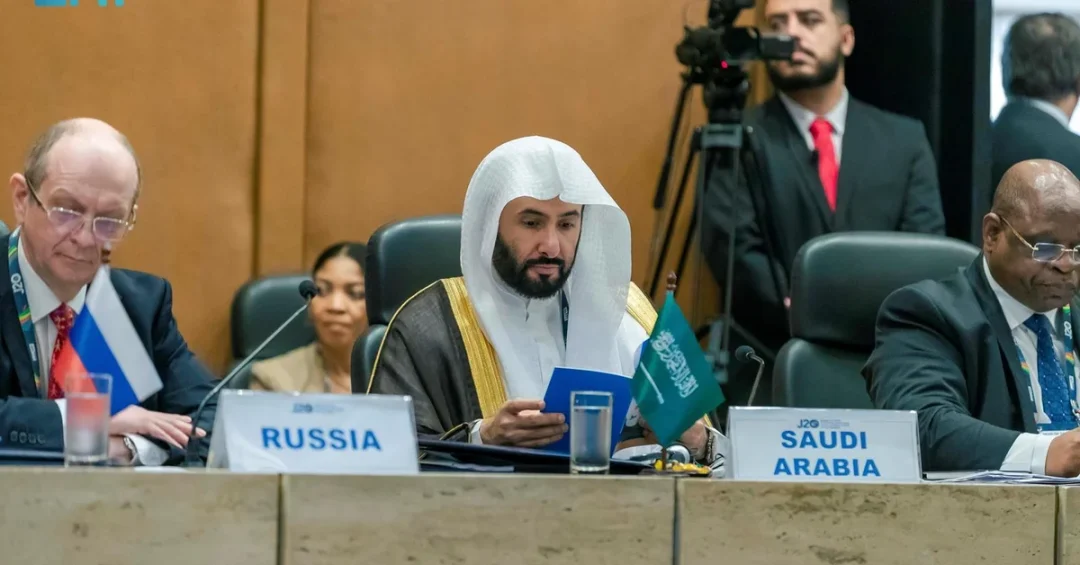
RIYADH — Saudi Arabia’s Minister of Justice, Dr. Walid Al-Samaani, participated in the Summit of Heads of Supreme Courts and Constitutional Courts of G20 member states, held in Rio de Janeiro, Brazil, from May 12 to 14, 2024. The summit, reported by the Saudi Press Agency (SPA), brought together judicial leaders from the world’s major economies to deliberate on the future of justice systems in a rapidly evolving digital landscape.
Context and Background
The G20 Summit of Heads of Supreme Courts and Constitutional Courts serves as a pivotal platform for dialogue among the world’s most influential judiciaries. This year’s meeting in Rio de Janeiro focused on the integration of technological tools, especially artificial intelligence (AI), within judicial processes. Participants examined both the opportunities and the challenges posed by these innovations, sharing insights on how courts can leverage technology to improve efficiency and access to justice.
Saudi Arabia’s participation underscores its commitment to judicial modernization, a key component of the Kingdom’s Vision 2030 reform agenda. Under the leadership of the Custodian of the Two Holy Mosques King Salman and Crown Prince Mohammed bin Salman, the Ministry of Justice has implemented significant digital initiatives, including automated legal processes and AI-driven case management, positioning Saudi Arabia as a regional leader in legal tech.
Key Details
During the three-day summit, delegates discussed the role of the judiciary in promoting citizenship and social inclusion, a topic that reflects the G20’s broader focus on inclusive growth. Climate litigation and sustainable development also featured prominently, highlighting the intersection of environmental policies and legal frameworks.
The summit provided a platform for Dr. Al-Samaani to exchange expertise with counterparts from other G20 nations, showcasing Saudi Arabia’s progress in judicial reform and its willingness to adopt best practices. The SPA report emphasized that discussions centered on enhancing judicial efficiency through digital transformation, a goal that aligns with Saudi Arabia’s own strategic objectives.
Implications and Impact
The participation of Saudi Arabia in this international forum reinforces its global standing as a nation committed to the rule of law and innovation. By engaging with other G20 judiciaries, the Kingdom can bring back valuable insights to further refine its legal system, ensuring it remains responsive to the needs of its citizens and residents.
The summit also serves as an opportunity for Saudi Arabia to highlight its achievements in justice reform, such as the creation of specialized courts and the digitization of court services, which have gained international recognition. These efforts contribute to the Kingdom’s reputation as a hub for legal excellence in the region.
Vision 2030 Alignment
Participation in the G20 judicial summit directly supports Saudi Arabia’s Vision 2030, which prioritizes a vibrant society, a thriving economy, and an ambitious nation. A modern, efficient judiciary is foundational to attracting investment, protecting rights, and ensuring justice for all. By engaging on the world stage, Saudi Arabia is not only fulfilling its international commitments but also learning from global best practices to accelerate its own judicial transformation. This proactive engagement demonstrates the Kingdom’s determination to be at the forefront of legal innovation, contributing to a more just and prosperous future for its people.
20 Questions
Q1. What was the purpose of the G20 Summit of Heads of Supreme Courts and Constitutional Courts?
A1. The summit aimed to bring together judicial leaders from G20 nations to discuss the integration of technology, particularly AI, in justice systems and share innovative practices to enhance judicial efficiency and inclusivity.
Q2. When and where did the summit take place?
A2. The summit was held in Rio de Janeiro, Brazil, from May 12 to 14, 2024, as reported by the Saudi Press Agency.
Q3. Who represented Saudi Arabia at the summit?
A3. Saudi Arabia’s Minister of Justice, Dr. Walid Al-Samaani, participated in the summit, representing the Kingdom’s judicial leadership.
Q4. What were the main topics discussed at the summit?
A4. The discussions covered opportunities, challenges of AI in justice, promotion of citizenship and social inclusion, climate litigation, sustainable development, and digital transformation for judicial efficiency.
Q5. How does Saudi Arabia benefit from participating in such international summits?
A5. Participation allows Saudi Arabia to share its judicial reforms, learn from global best practices, strengthen international cooperation, and position itself as a leader in legal innovation, supporting Vision 2030.
Q6. What steps has Saudi Arabia taken in judicial digital transformation?
A6. Saudi Arabia has implemented automated legal processes, AI-driven case management, digitized court services, and established specialized courts to enhance efficiency and access to justice.
Q7. How does the summit relate to Vision 2030?
A7. The summit’s focus on judicial efficiency and modernization aligns with Vision 2030’s goals of creating a vibrant society and a thriving economy, where a robust legal system supports investment and fairness.
Q8. What role does AI play in the future of justice systems?
A8. AI can automate routine tasks, provide decision support, and improve access to legal information, but it also raises challenges like bias and privacy that need careful management.
Q9. What is the significance of discussing climate litigation at the G20?
A9. Climate litigation is increasingly used to hold governments and corporations accountable for environmental actions, and judicial cooperation can help establish consistent legal standards globally.
Q10. How does Saudi Arabia’s judicial system promote social inclusion?
A10. Saudi Arabia has expanded legal aid, simplified court procedures, and launched e-services to ensure equal access to justice for all segments of society.
Q11. What is the Saudi Press Agency’s role in reporting this news?
A11. The SPA is the official news agency of Saudi Arabia, providing accurate and timely reports on government activities, including international engagements like the G20 summit.
Q12. How does the summit contribute to global judicial cooperation?
A12. It facilitates exchange of ideas, harmonization of legal practices, and building networks among judiciaries, which strengthens the rule of law worldwide.
Q13. What are the potential risks of integrating AI in courts?
A13. Risks include algorithmic bias, data privacy concerns, and over-reliance on technology, which require careful oversight and transparent governance.
Q14. How can technology enhance judicial efficiency?
A14. Technology streamlines case management, reduces paperwork, speeds up research, and enables remote hearings, thereby reducing delays and costs.
Q15. What is Saudi Arabia’s stance on sustainable development?
A15. Saudi Arabia is committed to sustainable development as part of Vision 2030, and its judiciary supports environmental protection through adherence to laws and regulations.
Q16. What did Dr. Al-Samaani’s participation signify?
A16. It signified Saudi Arabia’s proactive engagement in international legal forums and its dedication to modernizing its justice system in line with global standards.
Q17. How does the summit address the needs of G20 members?
A17. By focusing on shared challenges like digital transformation, it helps members learn from each other and implement technologies that improve access to justice.
Q18. Will there be future G20 judicial summits?
A18. Yes, as part of the G20 agenda, these summits are likely to continue, providing ongoing opportunities for judicial leaders to collaborate and innovate.
Q19. How can citizens benefit from these judicial reforms?
A19. Citizens benefit from faster, more transparent, and accessible legal services, which uphold their rights and foster trust in the justice system.
Q20. What is the long-term impact of Saudi Arabia’s participation?
A20. It will help Saudi Arabia refine its judicial practices, attract investment, and reinforce its image as a modern, forward-looking nation committed to justice and innovation.
Reader Feedback
We value your thoughts. Please share your feedback on this article.
Your feedback helps us improve our coverage.