


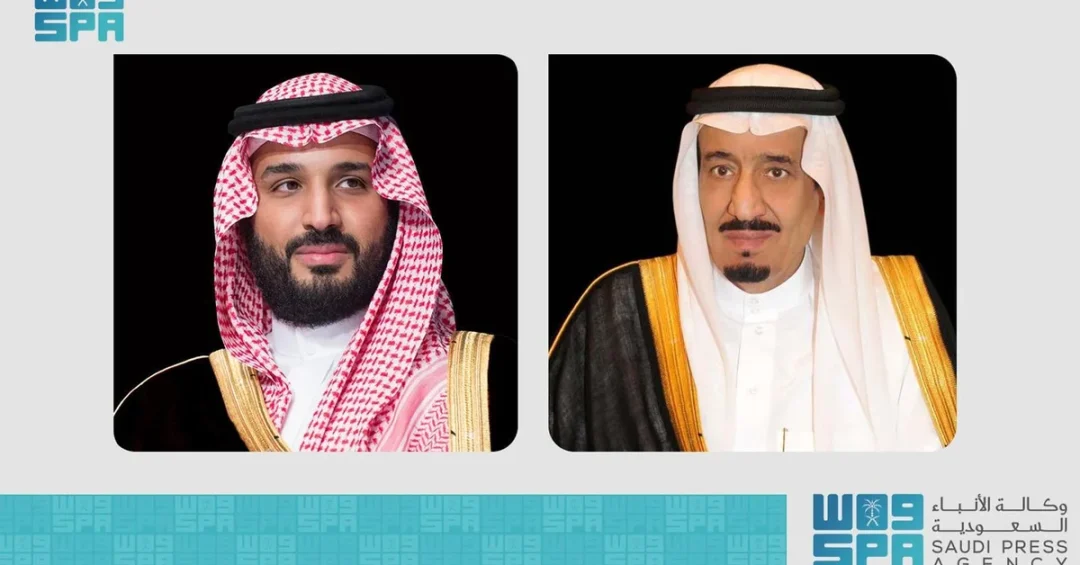
The Custodian of the Two Holy Mosques, King Salman bin Abdulaziz Al Saud, and His Royal Highness Prince Mohammed bin Salman bin Abdulaziz Al Saud, Crown Prince and Prime Minister, have dispatched cables of congratulations to the leaders of Islamic nations on the occasion of the blessed Eid Al-Adha. The messages, conveyed through official Saudi channels, reflect the Kingdom’s longstanding tradition of extending warm wishes and solidarity to fellow Muslim-majority countries during this significant religious celebration. The cables underscore the deep bonds of brotherhood and mutual respect that unite Saudi Arabia with the global Islamic community.
Context and Background
Eid Al-Adha, the Festival of Sacrifice, marks the culmination of the annual Hajj pilgrimage to Mecca, a sacred duty for millions of Muslims worldwide. As the birthplace of Islam and the custodian of its holiest sites, the Kingdom of Saudi Arabia has historically used this occasion to reaffirm its leadership role within the Muslim world. The sending of official congratulatory cables is a longstanding diplomatic tradition that emphasizes the Kingdom’s commitment to fostering unity, peace, and cooperation among Islamic nations. This practice is part of Saudi Arabia’s broader foreign policy, which prioritizes dialogue, mutual understanding, and support for the welfare of Muslims globally.
Key Details
The cables were dispatched to a wide array of leaders, including heads of state, monarchs, and presidents from across the Islamic world. In their messages, King Salman and Crown Prince Mohammed bin Salman expressed their heartfelt wishes for the health, happiness, and prosperity of the leaders and their peoples, and prayed for continued peace and stability in their respective countries. The correspondence aligns with the Kingdom’s Vision 2030 goals of strengthening international ties and projecting Saudi Arabia as a central and responsible player in global affairs, particularly within the Islamic community. The timing of the messages also underscores the successful management of the Hajj season by Saudi authorities, ensuring the safety and well-being of pilgrims from around the world.
Implications and Impact
The dispatch of these congratulatory cables carries significant diplomatic weight, reinforcing Saudi Arabia’s longstanding position as a unifying force in the Muslim world. By directly communicating with leaders of diverse nations, the Kingdom promotes a message of solidarity and shared values during a period of regional and global challenges. This act highlights the importance of cultural diplomacy in Saudi foreign relations, fostering goodwill and open channels of communication. It also reflects the Kingdom’s ongoing efforts to build bridges and enhance cooperation on issues of common interest, ranging from economic development to regional security, all while respecting the sovereignty and unique circumstances of each nation.
Vision 2030 Alignment
This initiative is a clear reflection of the Kingdom’s commitment under Vision 2030 to deepen its engagement with the international community, particularly with its Islamic partners. By consistently demonstrating leadership, hospitality, and diplomatic grace on religious occasions like Eid Al-Adha, Saudi Arabia reinforces its role as a beacon of moderation and cooperation. The gesture supports the Vision’s goal of positioning the Kingdom as a global hub and a key player in fostering peace, stability, and intercultural dialogue. As Saudi Arabia continues its ambitious transformation, maintaining and strengthening these foundational relationships with Islamic nations remains a cornerstone of its foreign policy and a vital component of its long-term strategic vision.
Reader Feedback
We value your thoughts. Please share your feedback on this article.
Your feedback helps us improve our coverage.