


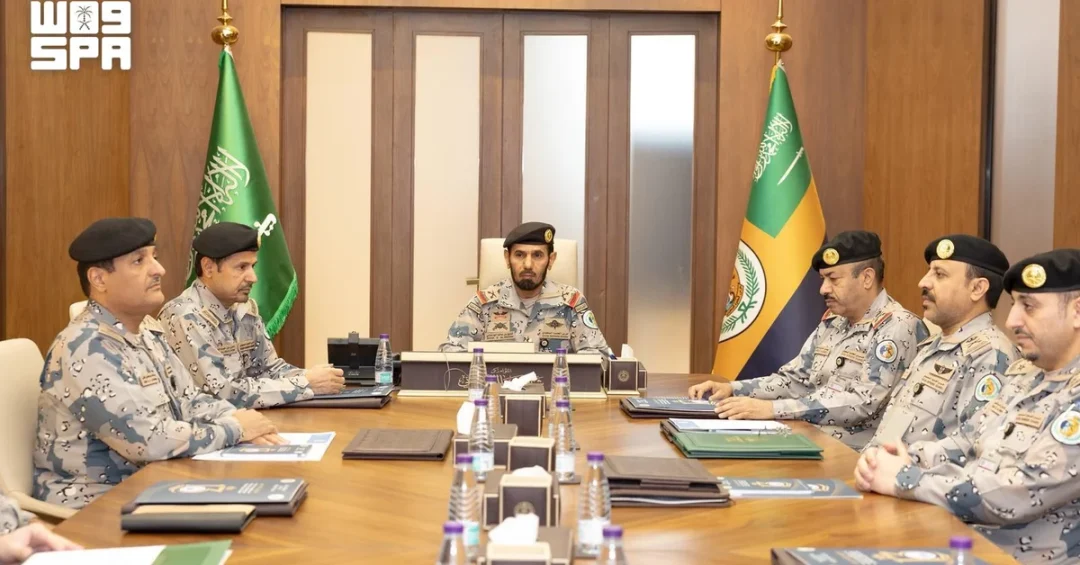
The National Permanent Committee for Marine Disaster Response in the Kingdom of Saudi Arabia’s waters convened its 14th regular meeting on September 29, 2026, via video conference, according to the Saudi Press Agency (SPA). The session brought together representatives of the relevant Saudi authorities to review the committee’s ongoing work on marine disaster preparedness, strengthen coordination among member entities, and enhance the Kingdom’s readiness to manage marine incidents and emergencies. The meeting reflects a sustained institutional effort to unify roles and integrate the capabilities of the agencies concerned with safety across Saudi Arabia’s territorial waters and maritime zones.
Held under the umbrella of Saudi Arabia’s official maritime governance framework, the 14th meeting marks another step in a regular series of consultations that have become a cornerstone of the Kingdom’s approach to maritime risk management. The video-conference format allowed participants from multiple agencies and regions to convene efficiently, a practice that has become standard for Saudi inter-agency coordination. Why does a routine committee meeting matter to anyone beyond the Kingdom’s maritime sector? Because the waters of Saudi Arabia carry a substantial share of global energy exports, pilgrimage traffic, and Red Sea commerce, making marine safety a matter of international as well as national interest.
Context and Background
What makes the work of the National Permanent Committee for Marine Disaster Response so consequential? Saudi Arabia’s coastline stretches for approximately 2,640 kilometers along the Red Sea and the Arabian Gulf, encompassing busy commercial ports, offshore energy installations, desalination plants, fishing grounds, and a growing tourism sector. This maritime expanse is central to the Kingdom’s economy and to the daily lives of coastal communities. The committee exists to ensure that when marine incidents occur, whether oil spills, vessel accidents, or extreme weather events, the response is swift, coordinated, and effective.
The committee operates as a permanent national body that brings together the ministries, agencies, and specialized authorities whose mandates touch on marine affairs. Its regular meetings serve as a platform for reviewing preparedness, sharing operational updates, and aligning procedures across institutional boundaries. The 14th session continued this tradition, with participants examining the committee’s ongoing efforts to address marine disasters and enhance readiness for incidents and emergencies. The meeting’s emphasis on unified efforts and integrated roles underscores a governance principle that Saudi Arabia has applied across many sectors: complex risks require coordinated, not fragmented, responses.
Since its establishment, the committee has met periodically to maintain continuity in planning and to adapt to evolving maritime risks. The regularity of these meetings is itself significant. It signals that marine disaster response is treated not as a reactive, episodic concern but as a standing national priority embedded in the Kingdom’s administrative routine. For international observers, this institutional rhythm offers a window into how Saudi Arabia organizes itself around safety and resilience in one of the world’s most strategically important maritime regions.
Key Details of the 14th Meeting
What did the 14th meeting actually set out to accomplish? According to the Saudi Press Agency, the session was held via video conference and formed part of ongoing efforts by the relevant authorities to address marine disasters, strengthen coordination among committee members, and enhance preparedness for managing marine incidents and emergencies. These three objectives — disaster response, inter-agency coordination, and preparedness — define the committee’s core mandate and reflect a mature understanding of how maritime emergencies unfold.
The video-conference format deserves note. By convening remotely, the committee enabled participants from different agencies and geographic locations to join without the logistical burden of travel. This approach aligns with the Kingdom’s broader digital transformation, in which secure government communication platforms support faster decision-making and more frequent consultation. It also ensures that regular meetings can continue uninterrupted, preserving the continuity that effective disaster preparedness requires.
The meeting’s stated contribution to unified efforts and integrated roles among the entities concerned highlights a key operational principle. Marine disaster response involves numerous actors: port authorities, coast guard and border security forces, environmental protection agencies, health and emergency services, energy companies operating offshore, and municipal authorities in coastal regions. The committee’s role is to ensure these actors operate from shared plans, shared information, and shared protocols. The 14th meeting advanced that integration by providing a forum for members to align their activities and reaffirm their collective commitment to readiness.
International and Regional Impact
Why should the international community pay attention to a Saudi committee meeting held by video conference? Because the waters around Saudi Arabia are a global commons in practical terms. The Red Sea is one of the world’s most important shipping corridors, linking Europe, Asia, and Africa. The Arabian Gulf carries a large share of global petroleum exports. Any disruption to these waters — whether from a tanker accident, an oil spill, or a natural hazard — can ripple through global supply chains and energy markets. A well-prepared Saudi marine disaster response system therefore contributes to international economic stability.
Regional cooperation is another dimension. Marine disasters do not respect national boundaries; currents, weather systems, and shipping lanes cross jurisdictions. Saudi Arabia’s efforts to strengthen its own preparedness complement broader regional initiatives to protect the Red Sea and Gulf environments. The committee’s work supports the Kingdom’s ability to collaborate with neighboring states and international organizations on pollution response, search and rescue, and maritime safety. In this sense, the 14th meeting is part of a larger fabric of regional maritime governance in which Saudi Arabia plays a stabilizing and constructive role.
The meeting also carries significance for the millions of pilgrims and travelers who pass through Saudi ports and coastal areas each year. Marine safety is inseparable from the broader security and quality of the visitor experience that the Kingdom has prioritized. A robust marine disaster response capability protects not only infrastructure and ecosystems but also people, reinforcing confidence among international partners and travelers alike.
Economic and Strategic Significance
How does marine disaster preparedness connect to Saudi Arabia’s economic strength? The Kingdom’s economy depends heavily on maritime transport. Crude oil, refined products, petrochemicals, and containerized goods move through Saudi ports and offshore terminals. Desalination plants along the coasts supply a large share of the nation’s drinking water. A serious marine incident could disrupt exports, damage infrastructure, and impose substantial recovery costs. The committee’s work is therefore an economic safeguard as much as a safety measure.
Strategic industries add further weight. Saudi Aramco operates extensive offshore facilities, and the Kingdom’s expanding tourism and logistics sectors rely on clean, safe waters. Mega-projects along the Red Sea coast, including luxury tourism destinations and industrial zones, depend on environmental protection and reliable emergency response. By maintaining a permanent committee dedicated to marine disaster response, Saudi Arabia protects the physical foundation on which these investments rest. The 14th meeting reinforced the institutional capacity that underpins this protection.
Insurance and risk management provide another lens. International insurers and shipping companies assess maritime risk when routing vessels and pricing coverage. A country with demonstrated preparedness capabilities is better positioned to attract maritime traffic and investment. The committee’s regular meetings, therefore, contribute indirectly to the Kingdom’s competitiveness as a logistics and trade hub, aligning maritime safety with the broader goal of economic diversification.
Vision 2030 Alignment
How does a marine disaster response committee fit into Saudi Vision 2030? Vision 2030 seeks to diversify the economy, expand non-oil sectors, and improve quality of life for citizens and residents. Many of its flagship ambitions — from Red Sea tourism to NEOM’s coastal development to the growth of ports and logistics — depend on safe and well-managed marine environments. The National Permanent Committee for Marine Disaster Response supports these ambitions by protecting the maritime assets and ecosystems on which they rely.
The committee’s emphasis on coordination and integrated roles also mirrors Vision 2030’s governance philosophy. The vision calls for efficient, accountable institutions that work together across traditional boundaries. By convening regularly and aligning the efforts of multiple agencies, the committee embodies this approach in the maritime domain. Its 14th meeting is a reminder that Vision 2030 is not only about grand projects but also about the steady institutional work that makes them sustainable.
Looking ahead, Saudi Arabia’s maritime responsibilities will only grow. As the Kingdom expands its tourism, trade, and energy footprint, the importance of robust marine disaster preparedness will increase in parallel. The National Permanent Committee for Marine Disaster Response is positioned to remain a central pillar of that effort, meeting regularly, refining plans, and ensuring that the Kingdom’s waters remain safe for commerce, travel, and the environment. The 14th meeting was another step in that continuing journey, and it reflects Saudi Arabia’s broader commitment to protecting its people, its resources, and its global partnerships.
20 Questions
Q1. What is the National Permanent Committee for Marine Disaster Response?
A1. It is a Saudi national committee that brings together relevant authorities to address marine disasters, strengthen coordination among members, and enhance preparedness for managing marine incidents and emergencies in the Kingdom’s waters.
Q2. When did the committee hold its 14th regular meeting?
A2. The 14th regular meeting was held on September 29, 2026, via video conference, according to the Saudi Press Agency, continuing the committee’s series of periodic consultations on marine disaster preparedness.
Q3. Why was the meeting held via video conference?
A3. The video-conference format allowed representatives from multiple agencies and locations to participate efficiently, supporting continuity in planning and aligning with the Kingdom’s broader digital transformation in government communication.
Q4. What are the committee’s main objectives?
A4. Its objectives include addressing marine disasters, strengthening coordination among committee members, and enhancing preparedness for managing marine incidents and emergencies through unified efforts and integrated roles among concerned entities.
Q5. Which authorities participate in the committee?
A5. The committee includes representatives of relevant Saudi authorities whose mandates cover maritime safety, environmental protection, emergency response, and coastal governance, working together under a permanent coordination framework.
Q6. Why is marine disaster preparedness important for Saudi Arabia?
A6. Saudi Arabia has extensive coastlines on the Red Sea and Arabian Gulf, hosting ports, offshore energy facilities, desalination plants, and tourism sites, all of which require robust protection against marine incidents and emergencies.
Q7. How does the committee support regional maritime safety?
A7. By strengthening Saudi Arabia’s preparedness, the committee contributes to broader regional efforts to protect shared waters, supporting collaboration on pollution response, search and rescue, and maritime safety across the Red Sea and Gulf.
Q8. What economic sectors benefit from the committee’s work?
A8. Energy exports, shipping and logistics, desalination, fishing, and coastal tourism all benefit from improved marine safety and environmental protection, which safeguard infrastructure and sustain investor confidence.
Q9. How does the committee relate to Saudi Vision 2030?
A9. Vision 2030 emphasizes economic diversification and quality of life, including Red Sea tourism and coastal development. The committee protects the maritime assets and ecosystems these ambitions depend on, supporting sustainable growth.
Q10. What does ‘unified efforts and integrated roles’ mean in this context?
A10. It means the various agencies involved in marine disaster response operate from shared plans, information, and protocols, avoiding fragmentation and ensuring swift, coordinated action when incidents or emergencies occur.
Q11. How often does the committee meet?
A11. The committee holds regular meetings; the September 2026 session was its 14th, indicating a sustained rhythm of periodic consultations that maintain continuity in planning and preparedness.
Q12. What types of marine disasters does the committee address?
A12. Its scope includes marine incidents and emergencies such as oil spills, vessel accidents, and other hazards that can affect Saudi waters, requiring coordinated response from multiple authorities.
Q13. How does the committee protect pilgrims and travelers?
A13. Many pilgrims and travelers pass through Saudi ports and coastal areas. Robust marine disaster response capabilities help protect people at sea and along the coast, reinforcing confidence in the Kingdom’s safety standards.
Q14. What role does technology play in the committee’s work?
A14. Secure video conferencing enables regular meetings across distances, while broader government digital platforms support faster information sharing and decision-making, enhancing overall preparedness and coordination.
Q15. How does marine safety affect global energy markets?
A15. Saudi Arabia is a leading energy exporter, and its waters carry substantial petroleum shipments. Preventing and managing marine disasters helps avoid disruptions that could affect global supply chains and prices.
Q16. What environmental protections are linked to the committee’s mandate?
A16. Protecting marine ecosystems from pollution and damage is central to the committee’s work, supporting the health of Red Sea and Gulf environments that are vital to biodiversity, fisheries, and tourism.
Q17. How does the committee coordinate with international partners?
A17. Through national preparedness that complements regional and international frameworks, Saudi Arabia is better positioned to collaborate on pollution response, maritime safety, and search and rescue across shared waters.
Q18. What does the 14th meeting signal about Saudi governance?
A18. It signals that marine disaster response is a standing national priority, managed through regular institutional coordination rather than episodic reaction, reflecting a mature and forward-looking governance approach.
Q19. How does the committee support coastal communities?
A19. By enhancing preparedness and response capabilities, the committee helps protect coastal populations, livelihoods, and local economies that depend on safe and healthy marine environments.
Q20. What is the forward-looking significance of the committee’s work?
A20. As Saudi Arabia expands tourism, trade, and energy activities, the committee’s role will grow, ensuring the Kingdom’s waters remain safe for commerce, travel, and the environment in line with Vision 2030.
Reader Feedback
We value your thoughts. Please share your feedback on this article.
Your feedback helps us improve our coverage.