


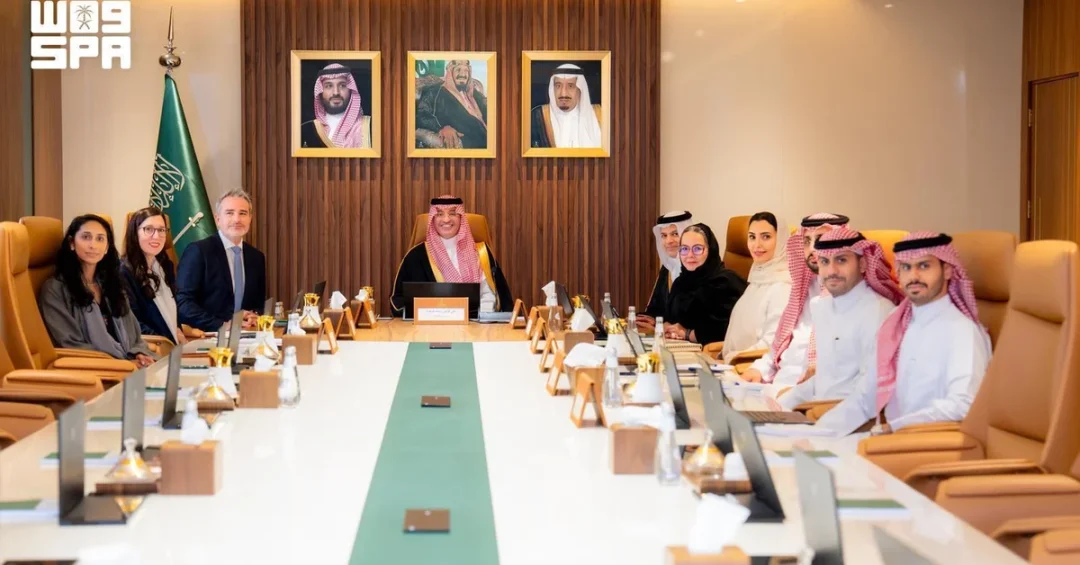
Vice Minister of Media Abdullah Al-Maghlouth met with Google Managing Director for the Middle East and North Africa Anthony Nakache in Riyadh on Tuesday to discuss advancing the strategic partnership between the Ministry of Media and Google and expanding cooperation in support of Saudi Arabia’s media sector, according to the Saudi Press Agency. The meeting, held at the direction of Minister of Media Salman Al-Dossary, focused on strengthening the sector’s technological and competitive capabilities and on accelerating progress toward the objectives of Saudi Vision 2030. It brought together senior representatives from the Kingdom’s media leadership and one of the world’s largest technology companies at a moment when artificial intelligence is reshaping how news is produced, distributed, and consumed across the region.
Could a single partnership between a national ministry and a global technology leader help redefine the future of an entire regional media industry? The discussions in Riyadh suggest Saudi Arabia intends to find out. The talks covered joint initiatives in artificial intelligence, digital skills development, and the empowerment of media entities and content creators, signaling a practical, implementation-focused phase in a relationship that has been building for several years. The meeting also underscored the Kingdom’s broader ambition to move beyond adopting global media technologies and toward helping shape them, a theme that ran through the vice minister’s remarks following the session.
Context and Background
Why does this meeting matter beyond the headlines it generated? The encounter between Vice Minister of Media Abdullah Al-Maghlouth and Google MENA Managing Director Anthony Nakache did not emerge in isolation. It builds on an established framework of strategic cooperation between the Ministry of Media and Google, a relationship that has gradually expanded from basic digital training programs into deeper collaboration on technology adoption, content development, and professional capacity building. The ministry has positioned these partnerships as central to its mission of constructing a sustainable, competitive media sector capable of keeping pace with rapid global change.
The timing reflects a wider transformation across the Kingdom’s media landscape, which has undergone significant expansion since the launch of Vision 2030 in 2016. New regulatory bodies, large-scale events hosted in Riyadh and other cities, a growing film and entertainment industry, and a young, digitally connected population have combined to create one of the most dynamic media markets in the Middle East. International companies have taken note. For Google, cooperation with Saudi Arabia offers access to a fast-growing market, a talented pool of young professionals, and a government partner committed to long-term digital transformation.
The meeting also follows a period in which media organizations worldwide have grappled with the opportunities and disruptions brought by generative artificial intelligence. Newsrooms are experimenting with AI-assisted research, translation, and content production, while regulators and publishers debate standards, transparency, and safety. Saudi Arabia’s approach, as outlined in the Riyadh talks, emphasizes structured adoption, workforce readiness, and safeguards, particularly for families and children navigating digital platforms.
Key Details of the Discussions
What exactly was on the table in Riyadh? According to the Saudi Press Agency, the two sides reviewed several joint initiatives spanning artificial intelligence, digital skills development, and the empowerment of media entities and content creators. A central focus was enhancing digital safety for families, particularly children, an area both parties identified as a shared priority. The discussions produced practical steps aimed at equipping children, parents, and teachers with the skills and resources they need to navigate the digital world safely and responsibly, an issue that resonates far beyond Saudi Arabia’s borders.
The talks also addressed specialized programs designed to accelerate the adoption of AI technologies by media organizations, upskill national professionals, and support content creators and Saudi talent. The two sides explored launching media innovation initiatives and developing practical use cases for emerging technologies in newsrooms and media organizations. Such use cases could include AI-assisted editing and fact-checking tools, automated translation for multilingual audiences, personalized content recommendation systems, and analytics platforms that help editors understand audience behavior in real time.
Vice Minister Al-Maghlouth framed the moment as an opportunity rather than a challenge. He said Saudi Arabia views the rapid changes in the media and technology sectors as a chance to build a new, more competitive and influential media industry, and affirmed that partnerships with global technology companies are key enablers for knowledge transfer, national capacity building, and faster innovation, while also creating new avenues for growth and investment in the sector. His comments placed the partnership firmly within the Kingdom’s economic diversification agenda, where media and content are increasingly recognized as productive, exportable sectors.
International and Regional Impact
How might this collaboration ripple across the wider region? Saudi Arabia’s media market is among the largest and most influential in the Arab world, and its decisions often set precedents that smaller regional markets observe closely. A structured partnership with Google on AI adoption and digital safety could encourage similar frameworks in neighboring countries, positioning the Kingdom as a convening power and a source of practical standards for the region’s media industry. The emphasis on protecting children online, in particular, addresses a concern shared by governments and families from the Gulf to North Africa.
The meeting also reinforces Saudi Arabia’s growing role as a hub for technology and media innovation. By working directly with a global platform leader, the Ministry of Media gains access to expertise, tools, and global best practices that can be adapted to local needs and then shared with regional partners. For international observers, the message is clear: the Kingdom is not merely a consumer of global media technology but an active participant in shaping how that technology is deployed, governed, and taught. That positioning strengthens Riyadh’s diplomatic and commercial standing in conversations about the future of the digital economy.
Economic and Strategic Significance
What economic value lies beneath a media partnership? Media and content industries are increasingly recognized as drivers of job creation, export revenue, and soft power. The initiatives discussed in Riyadh, from upskilling national professionals to supporting content creators, aim to build a domestic talent pipeline capable of serving both local and regional markets. A stronger Saudi media sector means more Arabic-language content produced to global standards, more opportunities for young graduates, and a more attractive environment for investment in studios, production companies, and digital platforms.
Strategically, the partnership supports the Kingdom’s ambition to diversify its economy away from hydrocarbons and toward knowledge-intensive sectors. AI adoption in newsrooms can improve efficiency and free journalists to focus on higher-value reporting and analysis. Digital safety programs can build trust among parents and educators, encouraging broader participation in the digital economy. Together, these elements contribute to a media ecosystem that is competitive internationally, resilient in the face of technological change, and aligned with the Kingdom’s long-term development goals.
Vision 2030 Alignment
How does this meeting connect to Saudi Arabia’s long-term national plan? Vision 2030 calls for a diversified economy, a vibrant society, and an ambitious nation, and each of those pillars is reflected in the Riyadh discussions. The focus on AI, digital skills, and innovation supports economic diversification and the development of new high-value sectors. The emphasis on empowering content creators and national talent supports human capability development, a core theme of the Vision. The attention to digital safety for families reflects the Vision’s commitment to quality of life and social well-being.
Vice Minister Al-Maghlouth summed up the ambition with a phrase that captured the spirit of the meeting: “Our goal is not to catch up with the future of media, but for Saudi Arabia to be one of the markets helping shape it.” He pointed to the Kingdom’s national talent, growing market, advanced digital infrastructure, and strategic investments as the foundations for that ambition, adding that Saudi Arabia has a real opportunity to build a media model that combines creativity, technology, and AI while giving Saudi content and national media organizations greater capacity for competition, reach, and global impact. The next phase of the partnership, he said, would focus on turning cooperation into initiatives with tangible, measurable impact that improve media organizations’ readiness, empower national talent, develop the content economy, and strengthen Saudi Arabia’s position as a regional hub for innovation in media and technology. As the Kingdom continues its transformation, partnerships of this kind are set to play a defining role in writing the next chapter of its media story.
20 Questions
Q1. Who met in Riyadh to discuss advancing the media partnership?
A1. Vice Minister of Media Abdullah Al-Maghlouth met Google Managing Director for the Middle East and North Africa Anthony Nakache in Riyadh on Tuesday to discuss advancing the strategic partnership between the Ministry of Media and Google.
Q2. When did the meeting take place?
A2. The meeting took place on Tuesday, September 29, 2026, in Riyadh, according to the Saudi Press Agency, which reported the discussions in an official dispatch from the capital.
Q3. Who directed the meeting to be held?
A3. The meeting was held at the direction of Minister of Media Salman Al-Dossary, reflecting the ministry’s commitment to deepening cooperation with global technology companies in support of the Kingdom’s media sector.
Q4. What was the main purpose of the meeting?
A4. The main purpose was to discuss developing the strategic partnership between the Ministry of Media and Google and expanding cooperation to support Saudi Arabia’s media sector and its technological and competitive capabilities.
Q5. Which topics were covered during the discussions?
A5. The discussions covered joint initiatives in artificial intelligence, digital skills development, empowering media entities and content creators, digital safety for families and children, and practical use cases for emerging technologies in newsrooms.
Q6. Why is digital safety for children a priority in this partnership?
A6. Digital safety for families, particularly children, is a shared priority for both sides, and they identified practical steps to equip children, parents, and teachers with skills and resources to navigate the digital world safely and responsibly.
Q7. What did the vice minister say about changes in the media sector?
A7. Vice Minister Al-Maghlouth said Saudi Arabia views rapid changes in the media and technology sectors as an opportunity to build a new, more competitive and influential media industry for the Kingdom.
Q8. How did he describe partnerships with global tech companies?
A8. He affirmed that partnerships with global technology companies are key enablers for knowledge transfer, national capacity building, and faster innovation, while also creating new avenues for growth and investment in the media sector.
Q9. What was the vice minister’s key quote from the meeting?
A9. He said, “Our goal is not to catch up with the future of media, but for Saudi Arabia to be one of the markets helping shape it,” highlighting national talent, market growth, and digital infrastructure.
Q10. What capabilities did Al-Maghlouth highlight for Saudi Arabia?
A10. He highlighted the country’s national talent, growing market, advanced digital infrastructure, and strategic investments, which together give Saudi Arabia a real opportunity to build a competitive media model.
Q11. What kind of media model does Saudi Arabia aim to build?
A11. The Kingdom aims to build a media model that combines creativity, technology, and AI while giving Saudi content and national media organizations greater capacity for competition, reach, and global impact.
Q12. What will the next phase of the partnership focus on?
A12. The next phase will focus on turning cooperation into initiatives with tangible, measurable impact that improve media organizations’ readiness, empower national talent, develop the content economy, and strengthen Saudi Arabia’s regional position.
Q13. How does this meeting build on previous cooperation?
A13. The meeting builds on the Ministry of Media’s strategic cooperation with Google and forms part of the ministry’s efforts to build a sustainable, competitive media sector that keeps pace with global changes.
Q14. What role does artificial intelligence play in these discussions?
A14. Artificial intelligence is central to the discussions, with plans for specialized programs to accelerate AI adoption by media organizations, upskill national professionals, and develop practical use cases for newsrooms.
Q15. How will content creators benefit from the partnership?
A15. Content creators and Saudi talent will benefit through specialized programs, innovation initiatives, and support designed to develop the content economy and expand opportunities for creative professionals across the Kingdom.
Q16. What does the partnership mean for Saudi media organizations?
A16. Saudi media organizations stand to gain improved readiness for technological change, access to AI tools and expertise, and stronger capacity to compete regionally and globally in an evolving media landscape.
Q17. How does this initiative align with Saudi Vision 2030?
A17. It supports Vision 2030 through economic diversification, digital transformation, human capability development, and quality-of-life improvements, particularly the focus on digital safety for families and children.
Q18. Why is Saudi Arabia positioned as a regional hub for media innovation?
A18. Saudi Arabia offers a large and growing market, advanced digital infrastructure, strategic investments, and a young, talented population, making it well placed to serve as a regional hub for media and technology innovation.
Q19. What practical outcomes were identified in the meeting?
A19. The two sides identified practical steps to equip children, parents, and teachers with digital safety skills, and explored launching media innovation initiatives with tangible, measurable impact for the sector.
Q20. What is the broader significance of this partnership for the region?
A20. The partnership positions Saudi Arabia as an active shaper of the future of media and technology, setting precedents for AI adoption and digital safety that could influence media markets across the Middle East and North Africa.
Reader Feedback
We value your thoughts. Please share your feedback on this article.
Your feedback helps us improve our coverage.