


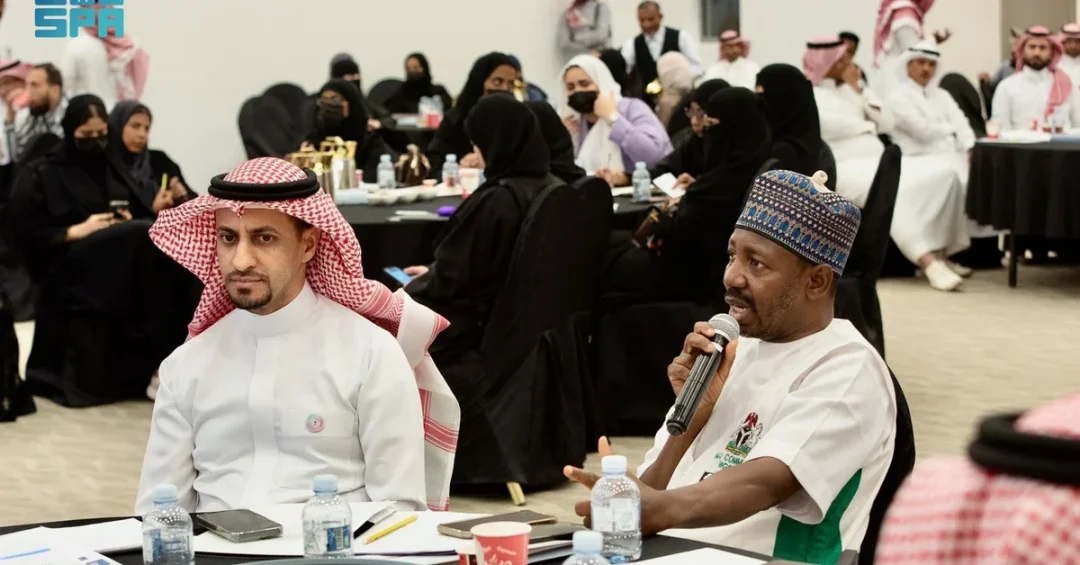
The General Authority for Media Regulation, in partnership with the Media and Marketing Committee of the Chamber of Commerce and Industry in Makkah, organized a workshop titled “Mechanisms of Media Work in the Hajj Season 1445” on May 27, 2024, in Makkah. The event brought together representatives from audiovisual media production institutions, television and radio channels, advertising agencies, and printing institutions to review the systems and regulations governing media operations during the upcoming Hajj season, according to the Saudi Press Agency (SPA).
Context and Background
The workshop is part of Saudi Arabia’s ongoing efforts to facilitate the work of local and international media professionals covering the annual Hajj pilgrimage, which attracts millions of Muslims from around the world. With the Kingdom’s commitment to Vision 2030, enhancing media services during major religious events is crucial for projecting a modern, transparent, and welcoming image of Saudi Arabia to a global audience. The General Authority for Media Regulation, established to oversee the media sector, plays a pivotal role in streamlining licensing and permitting processes, ensuring that media operations align with national regulations while supporting the Kingdom’s digital transformation goals.
Key Details
During the workshop, officials reviewed the conditions and controls for issuing licenses for field photography in the Holy Sites, as well as the mechanism for obtaining these licenses through the “Media Platform”—an electronic system designed to simplify and expedite the permit process. The workshop also detailed procedures for issuing field photography permits for both local and international media, emphasizing the benefits of permits that facilitate the entry of devices and equipment through international ports, accompanied by media correspondents. Additionally, participants learned about the mechanism for establishing temporary studios in the Holy Sites and the entry of direct transport vehicles into the Holy Sites during the Hajj season.
Implications and Impact
The initiative reflects Saudi Arabia’s proactive approach to supporting the global media community, ensuring that journalists and broadcasters can operate efficiently and safely during one of the world’s largest annual gatherings. By providing clear guidelines and streamlined digital tools, the Kingdom enhances its reputation as a host nation capable of managing complex logistics while maintaining high standards of service. This also strengthens the international media’s ability to share the spiritual and cultural significance of Hajj with audiences worldwide, promoting cross-cultural understanding and showcasing Saudi Arabia’s hospitality and organizational excellence.
Vision 2030 Alignment
This workshop aligns directly with Vision 2030’s objectives of improving the experience of pilgrims and visitors, as well as advancing the media and digital infrastructure as part of the Kingdom’s broader transformation. By fostering a professional media environment during Hajj, Saudi Arabia not only fulfills its role as the Custodian of the Two Holy Mosques but also demonstrates its commitment to leveraging technology and partnerships to achieve excellence in service delivery. Such initiatives underscore the Kingdom’s dedication to openness, innovation, and global engagement, reinforcing its position as a leading hub for culture, tourism, and international dialogue in the region and beyond.
20 Questions
Q1. What was the purpose of the workshop organized by the General Authority for Media Regulation?
A1. The workshop aimed to review the systems and regulations for media work during the Hajj season, including licensing conditions for field photography, permit mechanisms, and procedures for setting up temporary studios and equipment entry, to support media professionals covering the event.
Q2. Who organized the workshop and with whom?
A2. The General Authority for Media Regulation organized the workshop in partnership with the Media and Marketing Committee of the Chamber of Commerce and Industry in Makkah, according to the Saudi Press Agency (SPA).
Q3. When and where was the workshop held?
A3. The workshop was held on May 27, 2024, in Makkah, Saudi Arabia, as part of preparations for the Hajj season 1445 (2024).
Q4. Which types of institutions were represented at the workshop?
A4. Representatives from audiovisual media production institutions, television and radio channels, advertising agencies, and printing institutions attended the workshop, as reported by SPA.
Q5. What is the “Media Platform” mentioned in the workshop?
A5. The “Media Platform” is an electronic system developed by the General Authority for Media Regulation to issue field photography permits for the Holy Sites during Hajj, simplifying and expediting the licensing process for local and international media.
Q6. What are the conditions for issuing field photography licenses in the Holy Sites?
A6. The workshop reviewed the conditions and controls for issuing field photography licenses, which include compliance with Saudi regulations, proper identification, and using the Media Platform to submit applications, ensuring orderly and authorized media coverage.
Q7. How do media correspondents benefit from the permits?
A7. Permits facilitate the entry of devices and equipment through international ports, allowing media correspondents to bring necessary gear into Saudi Arabia smoothly. They also enable the establishment of temporary studios and entry of transport vehicles into the Holy Sites.
Q8. Why is the workshop important for international media?
A8. It provides clarity on the legal and procedural framework for media work during Hajj, helping international journalists and broadcasters plan their coverage effectively, ensuring smooth operations and compliance with Saudi laws.
Q9. How does this workshop support Saudi Arabia’s Vision 2030?
A9. Vision 2030 emphasizes improving services for pilgrims and visitors, and enhancing the media sector’s digital infrastructure. This workshop directly contributes by streamlining media operations during Hajj, showcasing Saudi Arabia’s organizational excellence and commitment to innovation.
Q10. What role does the General Authority for Media Regulation play in Hajj?
A10. The Authority oversees media licensing and regulation, ensuring that all media activities during Hajj comply with national rules. It manages the Media Platform, issues permits, and coordinates with partners to facilitate professional coverage.
Q11. Are there any benefits for local media institutions?
A11. Yes, local media institutions gain clearer guidelines and streamlined processes, reducing bureaucratic hurdles and enabling them to focus on delivering accurate and impactful coverage of Hajj events.
Q12. How can media professionals apply for permits?
A12. Media professionals can apply for permits through the Media Platform, an online system that simplifies the process. The workshop explained the step-by-step mechanism, making it easier for applicants to obtain field photography permits.
Q13. What is the significance of temporary studios in the Holy Sites?
A13. Temporary studios allow media organizations to broadcast live from the Holy Sites, providing real-time coverage to global audiences. The workshop explained the mechanism for establishing these studios, ensuring they meet technical and regulatory standards.
Q14. How does the workshop address the entry of transport vehicles?
A14. The workshop explained the process for direct transport vehicles to enter the Holy Sites during Hajj, which is crucial for mobile broadcasting units and logistical support for media teams, ensuring timely and efficient coverage.
Q15. What regulations are reviewed for media work during Hajj?
A15. The review includes systems and regulations specific to media operations, such as licensing conditions, permit issuance, equipment import rules, and studio setup protocols, all designed to maintain order and security while enabling professional journalism.
Q16. Is the workshop a one-time event or part of ongoing efforts?
A16. This workshop is part of ongoing efforts by Saudi authorities to improve media services during major events. Similar sessions are likely held annually to refine processes and accommodate changing needs, demonstrating continuous improvement.
Q17. How does this initiative enhance Saudi Arabia’s global image?
A17. By facilitating media work during Hajj, Saudi Arabia projects an image of openness, competence, and hospitality. Positive media coverage from Hajj reaches billions, highlighting the Kingdom’s ability to host large-scale events with modern infrastructure and efficient governance.
Q18. What are the challenges faced by media during Hajj?
A18. Challenges include managing large crowds, logistical constraints, and ensuring compliance with regulations. This workshop addresses these by providing clear guidelines, digital tools, and practical solutions, reducing obstacles for media personnel.
Q19. How does the “Media Platform” improve the permit process?
A19. The Media Platform digitizes the application process, reducing paperwork, processing time, and errors. It offers a centralized system for both local and international media, enhancing transparency and accessibility.
Q20. What is the expected outcome of the workshop for the upcoming Hajj?
A20. The workshop is expected to result in smoother media operations during Hajj 1445, with fully licensed and informed media teams. This will lead to comprehensive and positive coverage of the pilgrimage, reinforcing Saudi Arabia’s leadership in serving pilgrims and engaging the global community.
Reader Feedback
We value your thoughts. Please share your feedback on this article.
Your feedback helps us improve our coverage.