


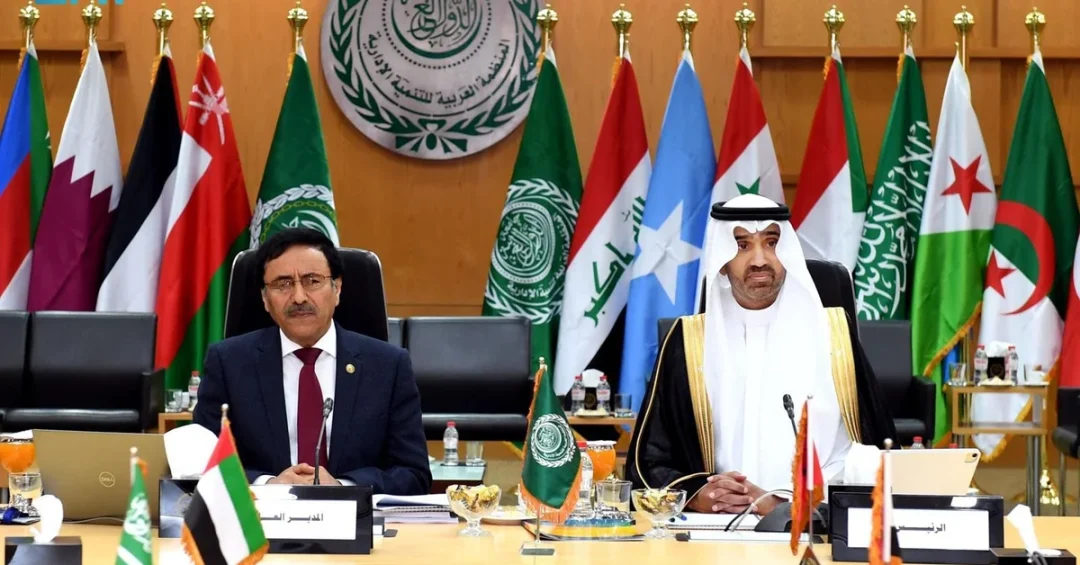
Saudi Arabia’s Minister of Human Resources and Social Development, Eng. Ahmed bin Sulaiman Al-Rajhi, chaired the 117th Executive Council Meeting of the Arab Administrative Development Organization (ARADO) in Cairo on May 8, 2024. The meeting, held at ARADO’s headquarters, brought together representatives from member states, including the Director-General of the Institute of Public Administration, Dr. Bander Alsajjan. The session focused on approving the 2025-2026 budget, following up on previous decisions, and developing an internal system aligned with ARADO’s self-financing structure.
Context and Background
ARADO, a specialized Arab League organization, has long been a platform for enhancing administrative development across the Arab region. Saudi Arabia’s leadership role in this meeting underscores its commitment to regional cooperation and knowledge-sharing. The kingdom has consistently supported ARADO’s initiatives, viewing administrative modernization as a key pillar for sustainable development. This meeting comes at a time when Arab nations are increasingly focusing on efficiency, transparency, and digital transformation in public administration, aligning with global best practices.
Key Details
During the meeting, Al-Rajhi stressed Saudi Arabia’s strong support for advancing administrative development throughout the Arab world. He highlighted the need for shared visions and science-based programs to achieve sustainable development, which would allow ARADO to take on initiatives, fulfil goals, and become a global leader in the field. The approval of the 2025-2026 budget marks a pivotal step, ensuring the organization’s financial stability and enabling its future projects. The development of an internal system tailored to ARADO’s self-financing structure reflects a forward-looking approach to institutional governance.
International and Regional Implications
This meeting’s outcomes are set to enhance administrative efficiency across the region, with potential ripple effects on economic growth and public service delivery. For Saudi Arabia, the chairmanship reinforces its position as a regional leader in governance reform, a key element of its Vision 2030. The emphasis on science-based programs aligns with the kingdom’s broader strategy to foster innovation and human capital development. As ARADO strengthens its self-financing model, it becomes more resilient and capable of supporting member states in their administrative transformation journeys.
Vision 2030 Alignment
The meeting directly supports Saudi Vision 2030’s goals of improving government effectiveness and developing human capabilities. By leading ARADO’s efforts, Saudi Arabia is not only contributing to regional progress but also showcasing its own administrative reforms as a model for others. The focus on sustainable development and global leadership in administrative fields mirrors Vision 2030’s ambition to position the kingdom as a hub of excellence. As ARADO implements its new budget and internal systems, it will further enable Arab countries to build efficient, transparent institutions that drive societal prosperity.
20 Questions
Q1. Who chaired the 117th Executive Council Meeting of ARADO?
A1. Eng. Ahmed bin Sulaiman Al-Rajhi, Saudi Arabia’s Minister of Human Resources and Social Development, chaired the meeting, highlighting the kingdom’s active role in regional administrative development.
Q2. Where was the meeting held?
A2. The meeting took place at ARADO’s headquarters in Cairo, Egypt, a central location for Arab League activities and administrative cooperation.
Q3. When did the meeting occur?
A3. The meeting was held on May 8, 2024, as part of ARADO’s regular executive council sessions.
Q4. What was the primary focus of the meeting?
A4. The main focus was approving the 2025-2026 budget, following up on previous decisions, and developing an internal system aligned with ARADO’s self-financing structure.
Q5. Who is Dr. Bander Alsajjan?
A5. Dr. Bander Alsajjan is the Director-General of the Institute of Public Administration in Saudi Arabia, who attended the meeting as part of the Saudi delegation.
Q6. How did Al-Rajhi describe Saudi Arabia’s support for ARADO?
A6. He stressed strong support for advancing administrative development across the Arab world, emphasizing shared visions and science-based programs for sustainable development.
Q7. What did Al-Rajhi say about ARADO’s goals?
A7. He highlighted the need for ARADO to take on initiatives, fulfil goals, and become a global leader in the field of administrative development.
Q8. What is ARADO’s self-financing structure?
A8. ARADO operates with a self-financing model, meaning it generates its own revenue to fund activities, reducing reliance on external contributions.
Q9. How does this meeting relate to Vision 2030?
A9. It aligns with Vision 2030’s goals of improving government effectiveness, developing human capabilities, and fostering innovation in public administration.
Q10. What are the expected outcomes of the budget approval?
A10. The 2025-2026 budget will enable ARADO to fund its programs, support member states, and pursue stable growth in administrative development.
Q11. How does Saudi Arabia benefit from chairing the meeting?
A11. It reinforces Saudi Arabia’s leadership in regional governance reform and provides a platform to share its own successful administrative practices.
Q12. What is ARADO’s role in the Arab world?
A12. ARADO is a specialized Arab League body that promotes administrative development, offers training, and conducts research to enhance public sector efficiency.
Q13. What does the meeting say about Arab cooperation?
A13. It demonstrates strong Arab cooperation in administrative matters, with member states collaborating to modernize their public sectors and share expertise.
Q14. How does the internal system development benefit ARADO?
A14. A modern internal system aligned with self-financing ensures better governance, transparency, and operational efficiency, supporting ARADO’s long-term sustainability.
Q15. What is the significance of Cairo as a meeting location?
A15. Cairo hosts the Arab League headquarters, symbolizing pan-Arab unity and providing a central venue for intergovernmental coordination.
Q16. Why are science-based programs important?
A16. They use evidence and best practices to design effective administrative strategies, increasing the likelihood of successful outcomes.
Q17. How might this meeting affect public administration in Saudi Arabia?
A17. It may bring back valuable insights and benchmarks that can further refine Saudi Arabia’s own public administration reforms.
Q18. What is the Institute of Public Administration’s role?
A18. It is a Saudi entity dedicated to training and developing public sector employees, contributing to the kingdom’s administrative capacity building.
Q19. What are the broader implications for the region?
A19. Improved administrative development across Arab states could lead to more efficient governments, better services, and enhanced economic growth in the region.
Q20. What is the next step for ARADO?
A20. With the budget approved, ARADO will implement its new internal system and execute programs to support member states, fostering global leadership in administrative development.
Reader Feedback
We value your thoughts. Please share your feedback on this article.
Your feedback helps us improve our coverage.