


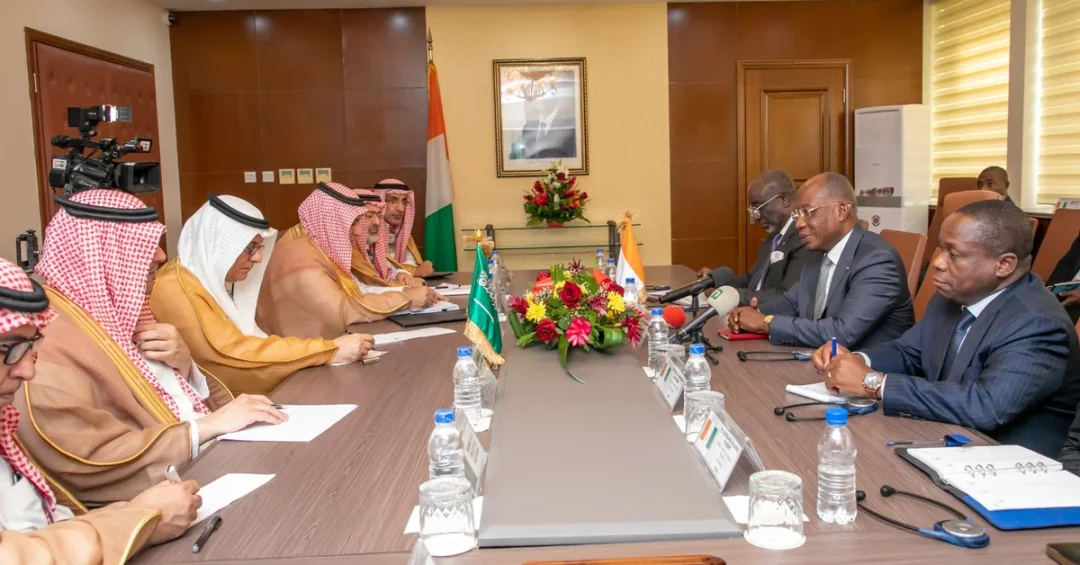
Saudi Minister of Environment, Water, and Agriculture Eng. Abdulrahman bin Abdulmohsen Al-Fadhli held high-level talks with Côte d’Ivoire’s Minister of Agriculture and Minister of Foreign Affairs, African Integration and Ivorians during an official visit to Abidjan, advancing bilateral cooperation and exploring joint investment opportunities in agriculture, water, and environmental sustainability. The visit, announced by the Saudi Press Agency (SPA), forms part of a broader tour of African nations aimed at activating the outcomes of the Saudi-African Summit hosted by the Kingdom and implementing the directives of Saudi leadership to strengthen ties across the continent.
Context and Background
The Saudi-African Summit, held in Riyadh in November 2023, marked a significant milestone in the Kingdom’s engagement with Africa, resulting in the launch of the King Salman Development Initiative for Africa and the Saudi-African Investment Initiative. These platforms are designed to foster economic partnerships, enhance food security, and support sustainable development across the continent. Minister Al-Fadhli’s tour is a direct follow-up to these commitments, demonstrating Saudi Arabia’s proactive approach to turning summit outcomes into tangible projects.
Côte d’Ivoire, a leading producer of cocoa and cashew nuts, offers vast potential for agricultural collaboration. The country’s alignment with Saudi Arabia’s Vision 2030 goals—particularly in ensuring food security and diversifying economic partnerships—makes it a strategic partner. The meetings underscore the Kingdom’s focus on expanding its global footprint in agriculture and water management, sectors critical to both nations’ sustainable futures.
Key Details
During separate meetings with Côte d’Ivoire’s Minister of Agriculture and Minister of Foreign Affairs, African Integration and Ivorians, Al-Fadhli discussed the advanced relations between the two countries and means to enhance cooperation. The discussions covered existing cooperation and future investment opportunities in various sectors, including agricultural production, water resource management, and environmental protection. The Saudi delegation also engaged with representatives of Côte d’Ivoire’s private sector to explore investment opportunities, highlighting the role of the business community in driving economic collaboration.
The visit reflects Saudi Arabia’s commitment to South-South cooperation and its growing role as a bridge between regions. By leveraging its expertise in desalination, sustainable agriculture, and renewable energy, the Kingdom aims to support Côte d’Ivoire’s development goals while creating mutually beneficial economic ties. No specific agreements were announced, but the talks are expected to pave the way for future memoranda of understanding and joint ventures.
Implications and Impact
This diplomatic engagement signals Saudi Arabia’s deepening involvement in Africa, a continent with rising economic importance. For Côte d’Ivoire, collaboration with the Kingdom could bring investments in agribusiness, infrastructure, and technology transfer, boosting local productivity and export capacity. For Saudi Arabia, it opens new avenues for securing food supplies and expanding non-oil exports, aligning with Vision 2030’s economic diversification agenda.
Regionally, the visit reinforces Saudi Arabia’s image as a reliable partner and a stabilizing force in global development. It also complements other Saudi initiatives in Africa, such as the Saudi Fund for Development’s projects in energy, education, and health. As African nations seek to recover from global economic challenges, partnerships with Saudi Arabia offer access to capital, expertise, and markets, contributing to shared prosperity.
Vision 2030 Alignment
This visit is a concrete step toward realizing Vision 2030’s objectives of economic diversification, international collaboration, and sustainable development. By strengthening ties with Côte d’Ivoire, Saudi Arabia not only advances its food security goals but also positions itself as a global leader in promoting stability and growth. The Kingdom’s continued engagement with African nations underscores its dedication to fostering long-term partnerships that benefit both regions and contribute to a more interconnected world.
20 Questions
Q1. Who is the Saudi Minister of Environment, Water, and Agriculture?
A1. Eng. Abdulrahman bin Abdulmohsen Al-Fadhli serves as the Minister of Environment, Water, and Agriculture of Saudi Arabia. He leads the ministry’s efforts in sustainable resource management, food security, and agricultural development, aligning with Vision 2030 objectives.
Q2. Which country did Minister Al-Fadhli visit?
A2. He visited Côte d’Ivoire as part of a tour of African countries. The visit aimed to activate the outcomes of the Saudi-African Summit and enhance bilateral relations, reflecting Saudi Arabia’s commitment to African partnerships.
Q3. What was the purpose of Minister Al-Fadhli’s visit?
A3. The visit aimed to discuss existing cooperation and future investment opportunities between Saudi Arabia and Côte d’Ivoire. It also sought to implement the Saudi leadership’s directives to strengthen ties with African nations and follow up on summit outcomes.
Q4. When did the Saudi-African Summit take place?
A4. The Saudi-African Summit was hosted by Saudi Arabia in November 2023. It brought together African leaders to foster economic cooperation, launch development initiatives, and strengthen political and economic ties across the continent.
Q5. Who did Minister Al-Fadhli meet in Côte d’Ivoire?
A5. He met separately with Côte d’Ivoire’s Minister of Agriculture and Minister of Foreign Affairs, African Integration and Ivorians. He also met with private sector representatives to discuss investment opportunities in various sectors.
Q6. What sectors were discussed during the meetings?
A6. Discussions focused on agriculture, water resource management, environmental protection, and investment opportunities. These sectors are critical for food security and sustainable development, aligning with both nations’ strategic priorities.
Q7. What is the significance of Côte d’Ivoire for Saudi Arabia?
A7. Côte d’Ivoire is a leading agricultural producer, offering potential for collaboration in food security and trade. Its alignment with Saudi Arabia’s Vision 2030 goals makes it a strategic partner for economic diversification and sustainable development.
Q8. How does this visit relate to the Saudi-African Summit?
A8. The visit is part of efforts to activate the summit’s outcomes, including the King Salman Development Initiative for Africa. It demonstrates Saudi Arabia’s follow-through on commitments made to African nations.
Q9. What are the King Salman Development Initiative and Saudi-African Investment Initiative?
A9. These initiatives were launched at the Saudi-African Summit to support development projects and investment in Africa. They aim to enhance food security, infrastructure, and economic growth through Saudi funding and expertise.
Q10. Did any agreements get signed during the visit?
A10. No specific agreements were announced. The meetings were exploratory, focusing on identifying areas for future cooperation and investment, and paving the way for potential memoranda of understanding.
Q11. How does this visit benefit Côte d’Ivoire?
A11. It could bring Saudi investments in agribusiness, infrastructure, and technology transfer, boosting local productivity and export capacity. It also strengthens diplomatic ties and opens access to Saudi markets and expertise.
Q12. What role does the private sector play in these discussions?
A12. Private sector representatives from Côte d’Ivoire met with the Saudi delegation to explore investment opportunities. Their involvement is crucial for driving economic collaboration and implementing joint projects on the ground.
Q13. How does this visit align with Vision 2030?
A13. It supports Vision 2030’s goals of economic diversification, food security, and international collaboration. By strengthening ties with Côte d’Ivoire, Saudi Arabia advances its global partnerships and sustainable development objectives.
Q14. What other African countries has Minister Al-Fadhli visited?
A14. The SPA report did not specify other countries, but the tour includes multiple African nations. The aim is to reinforce Saudi-African relations and implement summit outcomes across the continent.
Q15. What is Saudi Arabia’s expertise that can benefit Côte d’Ivoire?
A15. Saudi Arabia offers expertise in desalination, sustainable agriculture, renewable energy, and water management. These areas are vital for Côte d’Ivoire’s development, particularly in addressing climate challenges and resource management.
Q16. How does this visit impact regional stability?
A16. It reinforces Saudi Arabia’s role as a stabilizing partner in Africa, promoting economic growth and cooperation. Such engagements contribute to regional stability by fostering development and mutual understanding.
Q17. What is the expected outcome of this visit?
A17. The visit is expected to lead to enhanced cooperation, potential investments, and future agreements. It strengthens diplomatic ties and sets the stage for concrete projects in agriculture, water, and environment.
Q18. Why is food security important for Saudi Arabia?
A18. Food security is a key pillar of Vision 2030, as the Kingdom seeks to reduce reliance on imports and ensure stable supply chains. Partnerships with agricultural nations like Côte d’Ivoire help achieve this goal.
Q19. How does Saudi Arabia support African development?
A19. Through initiatives like the Saudi Fund for Development and summit commitments, Saudi Arabia funds projects in energy, education, health, and infrastructure across Africa, fostering sustainable growth and economic integration.
Q20. What message does this visit send to the international community?
A20. It demonstrates Saudi Arabia’s commitment to global partnership, South-South cooperation, and Vision 2030. The Kingdom positions itself as a reliable ally in Africa’s development, promoting prosperity and stability.
Reader Feedback
We value your thoughts. Please share your feedback on this article.
Your feedback helps us improve our coverage.