


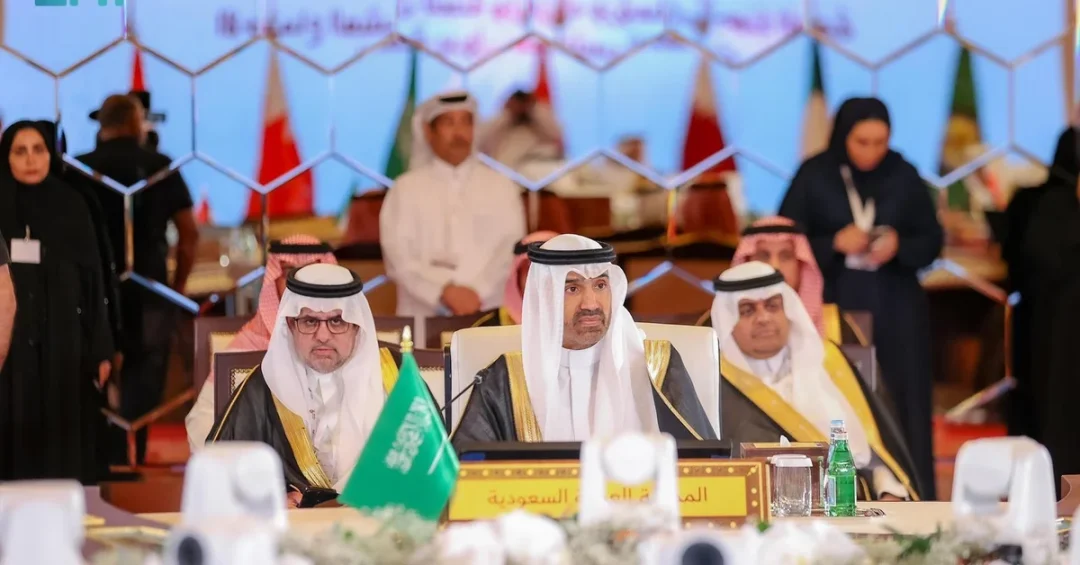
Saudi Minister of Human Resources and Social Development Eng. Ahmed Al-Rajhi led the Kingdom’s delegation to the ministerial committee meetings of the Gulf Cooperation Council (GCC) for civil service, social affairs/development, and labor, which commenced on September 3, 2024, in Doha, Qatar. The meetings, held under the framework of enhancing Gulf cooperation, are set to conclude on September 4, 2024, and bring together ministers from across the GCC to discuss key issues in these vital sectors.
Context and Background
The GCC ministerial committee meetings are pivotal platforms for member states to align policies and share best practices in civil service, social development, and labor. This year marks the 20th meeting of the Civil Service Ministers Committee, the 10th meeting of the Labor Ministers Committee, and the 10th meeting of the Social Affairs/Development Ministers Committee. These gatherings underscore the GCC’s commitment to addressing regional challenges collectively and adapting to global changes.
The meetings are particularly significant as GCC countries strive to enhance cooperation in areas that directly impact their citizens’ quality of life and economic productivity. By fostering dialogue among ministers and experts, the committees aim to develop integrated strategies that keep pace with rapid transformations in the labor market, social welfare systems, and public administration.
Key Details
Eng. Ahmed Al-Rajhi, who also serves as the Minister of Human Resources and Social Development, headed the Saudi delegation, highlighting the Kingdom’s active role in shaping regional policies. The agenda includes discussions on civil service modernization, social development initiatives, and labor market reforms. These topics are aligned with Saudi Arabia’s Vision 2030, which seeks to diversify the economy, empower citizens, and improve public services.
In conjunction with the ministerial meetings, Eng. Al-Rajhi participated in a ceremony honoring pioneering projects and individuals in labor and social affairs, as well as highly competent professionals in the civil service sector. This recognition reflects the GCC’s appreciation for innovation and excellence, and it reinforces the importance of human capital development across the region.
Implications and Impact
The outcomes of these meetings are expected to strengthen regional integration and facilitate the exchange of expertise among GCC states. Enhanced cooperation in civil service, social affairs, and labor can lead to more efficient public administration, improved social safety nets, and dynamic labor markets. For Saudi Arabia, active participation in these forums reinforces its leadership role in the Gulf and its commitment to Vision 2030’s goals of creating a thriving society and a prosperous economy.
Furthermore, the meetings provide an opportunity for GCC countries to present a unified stance on global labor and social issues, potentially increasing their influence in international organizations and negotiations. The emphasis on honoring pioneering projects also encourages innovation and excellence, setting benchmarks for others to follow.
Vision 2030 Alignment
Saudi Arabia’s engagement in the GCC ministerial meetings is integral to achieving Vision 2030, which prioritizes human development, social welfare, and economic diversification. By collaborating with Gulf partners, the Kingdom can accelerate progress in modernizing its civil service, enhancing social programs, and reforming labor policies to boost productivity and citizen well-being. These efforts contribute to a more resilient and competitive Saudi Arabia, poised to thrive in a rapidly changing world.
20 Questions
Q1. Who heads the Saudi delegation to the GCC ministerial meetings?
A1. Eng. Ahmed Al-Rajhi, Minister of Human Resources and Social Development, heads the Saudi delegation. His leadership underscores the Kingdom’s commitment to regional cooperation in civil service, social affairs, and labor.
Q2. Where and when are the GCC ministerial committee meetings taking place?
A2. The meetings are held in Doha, Qatar, starting September 3, 2024, and concluding September 4, 2024. They bring together GCC ministers to discuss key issues in civil service, social development, and labor.
Q3. Which committees are meeting in Doha?
A3. Three committees are meeting: the Civil Service Ministers Committee, the Labor Ministers Committee, and the Social Affairs/Development Ministers Committee. This is the 20th, 10th, and 10th meetings respectively.
Q4. What is the main objective of these GCC meetings?
A4. The primary objective is to enhance GCC cooperation in civil service, social affairs, and labor. The meetings aim to align policies, share best practices, and address regional challenges collectively to keep pace with global changes.
Q5. What ceremony did Eng. Al-Rajhi participate in?
A5. He participated in a ceremony honoring pioneering projects and individuals in labor and social affairs, as well as highly competent professionals in civil service. The event recognized innovation and excellence in these sectors.
Q6. How do these meetings benefit Saudi Arabia?
A6. They allow Saudi Arabia to share expertise, align policies with Gulf neighbors, and advance Vision 2030 goals. This cooperation enhances public administration, social welfare, and labor market efficiency, benefiting Saudi citizens and the economy.
Q7. What is the significance of the 20th Civil Service Ministers Committee meeting?
A7. It marks two decades of collaboration, highlighting sustained commitment to modernizing civil service across the GCC. The meeting provides a platform to assess progress and set future directions for public sector development.
Q8. How do these meetings align with Vision 2030?
A8. They support Vision 2030 by promoting human capital development, social welfare, and economic diversification. Regional cooperation accelerates reforms in civil service, social programs, and labor policies, contributing to a thriving Saudi society.
Q9. What topics are likely discussed at the Labor Ministers Committee?
A9. Topics include labor market reforms, workforce nationalization, skills development, and productivity enhancement. Discussions aim to create dynamic labor markets that support economic growth and citizen employment across the GCC.
Q10. Why is social affairs/development a focus for the GCC?
A10. Social development is crucial for ensuring citizen well-being and social stability. GCC countries collaborate to improve social safety nets, empower vulnerable groups, and enhance quality of life, aligning with sustainable development goals.
Q11. How does Eng. Al-Rajhi’s participation reflect Saudi leadership?
A11. His leadership of the delegation demonstrates Saudi Arabia’s active role in regional affairs. It showcases the Kingdom’s commitment to driving Gulf cooperation and sharing its expertise in human resources and social development.
Q12. What are the expected outcomes of these meetings?
A12. Expected outcomes include joint strategies, policy recommendations, and enhanced cooperation frameworks. These will guide GCC member states in improving civil service, social development, and labor markets, fostering regional integration.
Q13. How often do these GCC ministerial meetings occur?
A13. They are held periodically, typically annually or as needed. The numbering indicates regular gatherings: 20th for Civil Service and 10th for Labor and Social Affairs, reflecting ongoing commitment to collaboration.
Q14. What role does the GCC play in global labor and social issues?
A14. The GCC promotes unified stances on global labor and social issues, increasing its influence in international forums. By coordinating policies, member states can advocate for regional interests and contribute to global discussions effectively.
Q15. How does honoring pioneering projects benefit the region?
A15. It encourages innovation and excellence by recognizing outstanding contributions. This fosters a culture of achievement, motivates professionals, and sets benchmarks for best practices in labor, social affairs, and civil service across the GCC.
Q16. What is the significance of the meetings being held in Doha?
A16. Hosting in Doha highlights Qatar’s role in facilitating regional dialogue. It provides a neutral platform for GCC ministers to convene, strengthening ties and demonstrating collective commitment to shared goals.
Q17. How do these meetings address global changes?
A17. By discussing emerging trends and challenges, such as digital transformation and economic shifts, the committees develop adaptive strategies. This ensures GCC policies remain relevant and responsive to global developments.
Q18. What benefits do GCC citizens gain from this cooperation?
A18. Citizens benefit from improved public services, better social protection, and more job opportunities. Enhanced cooperation leads to more efficient governance, higher living standards, and greater economic prosperity across the region.
Q19. How does Saudi Arabia contribute to these committees?
A19. Saudi Arabia shares its Vision 2030-driven reforms and best practices. The Kingdom’s participation enriches discussions, promotes innovation, and helps shape regional policies that align with its development goals.
Q20. What is the long-term vision for GCC cooperation in these sectors?
A20. The long-term vision is a fully integrated GCC with harmonized policies, mutual recognition of standards, and seamless mobility of labor. This cooperation aims to create a competitive, knowledge-based economy and a cohesive society.
Reader Feedback
We value your thoughts. Please share your feedback on this article.
Your feedback helps us improve our coverage.