


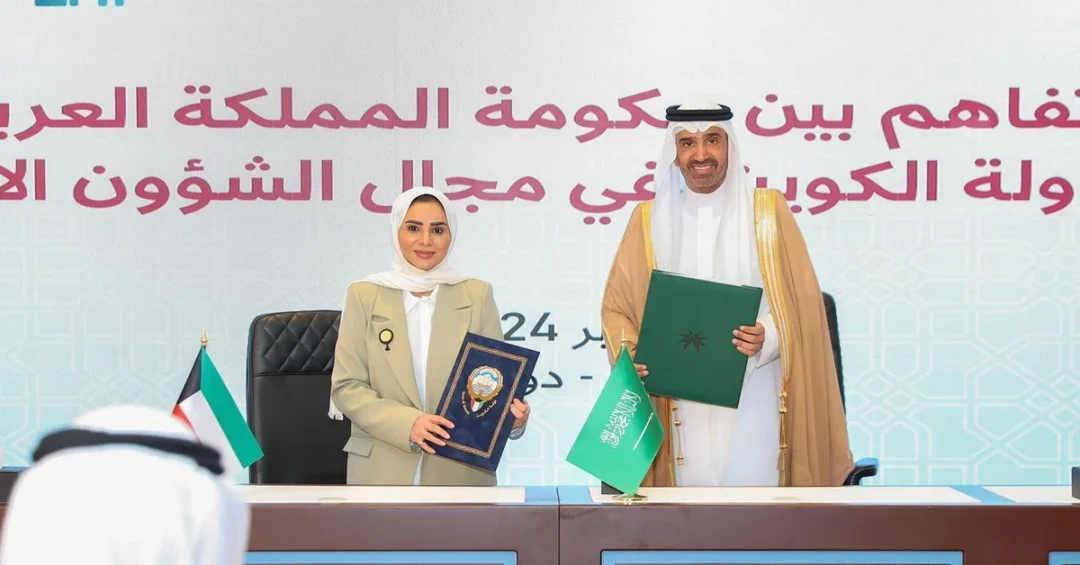
Saudi Minister of Human Resources and Social Development Eng. Ahmed bin Sulaiman Al-Rajhi signed two memoranda of understanding (MoUs) with Qatar and Kuwait to enhance cooperation in social affairs and development, as announced by the Saudi Press Agency (SPA). The agreements were signed on the sidelines of the Gulf Cooperation Council (GCC) Ministerial Meetings on Civil Service, Labour Affairs, and Social Development, held in Doha from September 3 to 4, 2024. This step underscores Saudi Arabia’s commitment to regional collaboration and the exchange of expertise in social development, aligning with the objectives of Saudi Vision 2030.
Context and Background
The GCC Ministerial Meetings serve as a vital platform for member states to coordinate policies and share best practices in areas of mutual interest. The participation of Eng. Ahmed bin Sulaiman Al-Rajhi, Minister of Human Resources and Social Development, highlights Saudi Arabia’s proactive role in fostering Gulf integration. The ministry has been at the forefront of implementing social welfare reforms and labor market strategies that support the Kingdom’s Vision 2030 goals, which aim to diversify the economy and enhance the quality of life for citizens.
These MoUs build upon existing ties between Saudi Arabia and its Gulf neighbors, reinforcing a shared vision for sustainable development and social stability. By formalizing cooperation, the agreements facilitate the exchange of experiences and joint initiatives that can address common challenges such as youth employment, family welfare, and social protection.
Key Details
The first MoU was signed with Qatar’s Minister of Social Development and Family, Mariam bint Ali bin Nasser Al-Misnad. It focuses on facilitating the exchange of experiences and collaboration on various social development initiatives between the two countries. The second MoU was inked with Kuwait’s Minister of Social Affairs, Development, Family, and Childhood Affairs, Dr. Amthal Hadi Al-Huwailah, and similarly emphasizes sharing expertise and cooperating in social affairs and development. Both agreements reflect the Ministry’s ongoing efforts to strengthen international relations and foster technical cooperation with counterpart ministries across the Gulf region.
These MoUs are expected to lead to concrete outcomes such as joint training programs, research collaborations, and the development of best practices in social service delivery. They also pave the way for enhanced coordination on regional social policies, ultimately benefiting citizens across the GCC.
Implications and Impact
The signing of these MoUs carries significant implications for regional cooperation and social development. It demonstrates Saudi Arabia’s leadership in promoting Gulf unity and its dedication to achieving the Sustainable Development Goals (SDGs), particularly those related to poverty eradication, decent work, and reduced inequalities. By sharing expertise, the Kingdom and its partners can accelerate progress in areas like social safety nets, family empowerment, and child protection.
On an international level, these agreements signal the GCC’s collective commitment to addressing social challenges through collaborative frameworks. They also enhance the region’s ability to respond to global trends such as demographic shifts and technological advancements in social services. For Saudi Arabia, this aligns with its broader strategy to position itself as a hub for innovation and social development, attracting global partnerships and investments.
Vision 2030 Alignment
These MoUs are directly aligned with Saudi Vision 2030, which seeks to build a vibrant society, a thriving economy, and an ambitious nation. The exchange of expertise and cooperation in social development supports the Vision’s objectives of enhancing social welfare, empowering families, and creating a more inclusive society. By strengthening regional ties, Saudi Arabia is also advancing its role as a leader in the Gulf and beyond, contributing to a stable and prosperous region. The Ministry of Human Resources and Social Development continues to play a pivotal role in realizing these ambitions, ensuring that social policies keep pace with the Kingdom’s rapid transformation.
20 Questions
Q1. What event provided the backdrop for the signing of the MoUs?
A1. The MoUs were signed on the sidelines of the GCC Ministerial Meetings on Civil Service, Labour Affairs, and Social Development held in Doha from September 3 to 4, 2024.
Q2. Who signed the MoUs on behalf of Saudi Arabia?
A2. Saudi Minister of Human Resources and Social Development Eng. Ahmed bin Sulaiman Al-Rajhi signed the agreements.
Q3. With which countries did Saudi Arabia sign the MoUs?
A3. Saudi Arabia signed MoUs with Qatar and Kuwait.
Q4. Who is the Qatari official who signed the MoU with Saudi Arabia?
A4. Qatar’s Minister of Social Development and Family, Mariam bint Ali bin Nasser Al-Misnad, signed the MoU.
Q5. Who is the Kuwaiti official who signed the MoU with Saudi Arabia?
A5. Kuwait’s Minister of Social Affairs, Development, Family, and Childhood Affairs, Dr. Amthal Hadi Al-Huwailah, signed the MoU.
Q6. What is the primary focus of the MoU with Qatar?
A6. The MoU with Qatar focuses on facilitating the exchange of experiences and collaboration on various social development initiatives.
Q7. What is the primary focus of the MoU with Kuwait?
A7. The MoU with Kuwait focuses on sharing expertise and cooperating in the fields of social affairs and development.
Q8. What is the overarching goal of these MoUs?
A8. The goal is to strengthen international relations, foster technical cooperation, and achieve shared objectives and mutual interests in social development.
Q9. How do these MoUs align with Saudi Vision 2030?
A9. They support Vision 2030 by promoting social welfare, empowering families, and enhancing regional cooperation for a vibrant society and thriving economy.
Q10. What is the significance of the GCC Ministerial Meetings?
A10. The meetings provide a platform for GCC member states to coordinate policies and share best practices in civil service, labor, and social development.
Q11. What are some expected outcomes of these MoUs?
A11. Expected outcomes include joint training programs, research collaborations, and improved social service delivery across the Gulf region.
Q12. How does this reflect Saudi Arabia’s role in the Gulf region?
A12. It demonstrates Saudi Arabia’s leadership in promoting Gulf unity and its commitment to collaborative social development.
Q13. What are the broader implications for the GCC?
A13. The MoUs enhance regional integration and collective efforts to address social challenges, benefiting citizens across member states.
Q14. Which Saudi ministry is responsible for these agreements?
A14. The Ministry of Human Resources and Social Development, led by Eng. Ahmed bin Sulaiman Al-Rajhi, is responsible.
Q15. What areas of social development are covered?
A15. Areas include social affairs, family welfare, childhood affairs, and overall social development initiatives.
Q16. How do these MoUs promote technical cooperation?
A16. They facilitate the exchange of expertise, best practices, and joint initiatives between counterpart ministries.
Q17. What is the expected impact on Saudi citizens?
A17. The agreements aim to improve social services, create opportunities, and enhance the quality of life for citizens.
Q18. How do these agreements reflect Saudi Arabia’s international relations?
A18. They strengthen ties with Gulf neighbors and showcase Saudi Arabia’s proactive diplomacy in social development.
Q19. What role does the SPA play in this announcement?
A19. The Saudi Press Agency (SPA) officially announced the signing, providing authoritative information to the public.
Q20. What future steps can be expected following these MoUs?
A20. Implementation of joint programs, regular knowledge exchange, and monitoring of progress towards shared social development goals.
Reader Feedback
We value your thoughts. Please share your feedback on this article.
Your feedback helps us improve our coverage.