


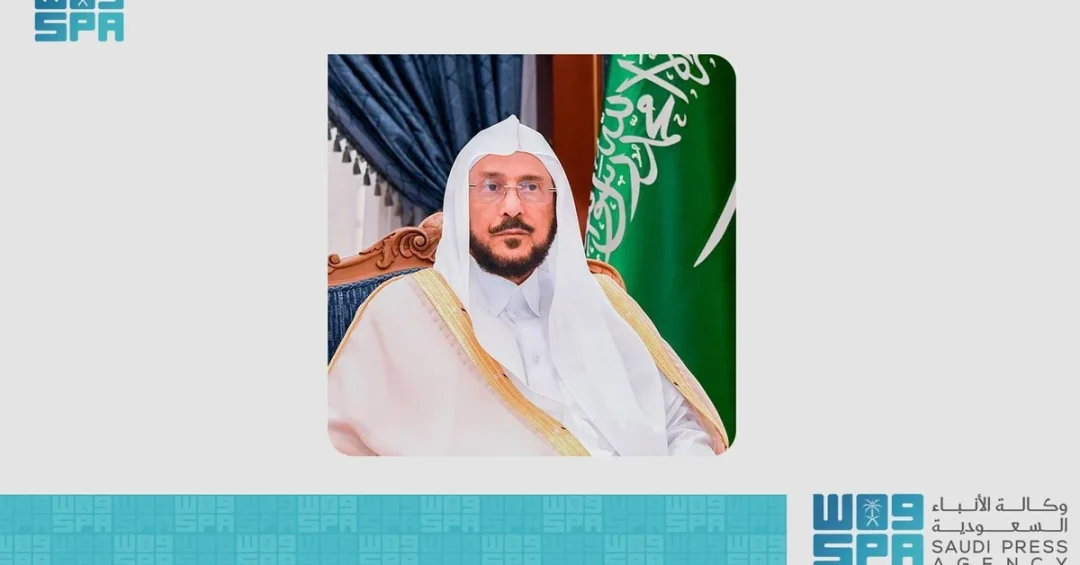
Saudi Minister of Islamic Affairs, Dawah and Guidance Sheikh Dr. Abdullatif bin Abdulaziz Al Al-Sheikh met with Chairman of the General Authority of Islamic Affairs, Endowments and Zakat of the United Arab Emirates Dr. Omar Al Darei in Makkah on August 5, 2024. The meeting took place on the sidelines of the 9th Conference of Ministers of Endowments and Islamic Affairs, which concluded in the holy city. Dr. Al Darei led the Emirati delegation to the conference, which brought together senior Islamic officials from across the region to discuss shared priorities.
Context and Background
The 9th Conference of Ministers of Endowments and Islamic Affairs, hosted by the Kingdom of Saudi Arabia, served as a key platform for dialogue on Islamic governance, religious endowments (awqaf), and zakat administration. The gathering highlighted the Kingdom’s ongoing leadership in fostering inter-Islamic cooperation, particularly through institutions focused on religious and social development. Saudi Arabia and the UAE have long maintained close ties in the field of Islamic affairs, emphasizing moderation and shared objectives under Vision 2030.
Key Details
During the meeting, Sheikh Dr. Abdullatif bin Abdulaziz Al Al-Sheikh and Dr. Omar Al Darei discussed topics of common interest, specifically issues related to Islamic affairs, endowments, and zakat management. Both officials emphasized the importance of exchanging expertise and best practices to enhance the efficiency of religious institutions. The discussions also touched on the outcomes of the conference, which focused on modernizing endowments and ensuring their contribution to sustainable development.
Implications and Impact
The meeting underscores the robust cooperation between Saudi Arabia and the UAE in Islamic affairs, reflecting a broader regional commitment to promoting moderation and effective governance of religious endowments. By aligning their approaches, the two nations aim to set a standard for other countries in the Islamic world. The engagement also reinforces the role of the Ministry of Islamic Affairs, Dawah and Guidance in driving dialogue on contemporary religious challenges, including digital transformation and transparency in zakat distribution.
Vision 2030 Alignment
This high-level interaction directly supports Saudi Arabia’s Vision 2030 objectives by strengthening bilateral partnerships and enhancing the governance of religious institutions. Through initiatives like the Conference of Ministers of Endowments, the Kingdom continues to position itself as a global hub for Islamic cooperation, fostering innovation and moderation in religious affairs. Such collaborations contribute to the Vision’s broader goals of economic diversification and social development, ensuring that endowments play a vital role in sustainable growth.
20 Questions
Q1. What was the main purpose of the meeting between the Saudi and UAE officials?
A1. The meeting aimed to discuss topics of common interest in Islamic affairs, particularly the management of endowments and zakat, strengthening bilateral cooperation between the two nations.
Q2. Who led the Emirati delegation to the 9th Conference of Ministers of Endowments and Islamic Affairs?
A2. Dr. Omar Al Darei, Chairman of the General Authority of Islamic Affairs, Endowments and Zakat of the UAE, led the Emirati delegation to the conference.
Q3. Where and when did the meeting take place?
A3. The meeting was held in Makkah on August 5, 2024, on the sidelines of the 9th Conference of Ministers of Endowments and Islamic Affairs.
Q4. What is the significance of the 9th Conference of Ministers of Endowments and Islamic Affairs?
A4. The conference served as a key platform for dialogue among senior Islamic officials, focusing on modernizing endowments and enhancing their role in sustainable development.
Q5. How does this meeting reflect Saudi Arabia’s leadership in Islamic affairs?
A5. Hosting the conference and engaging with UAE officials demonstrates Saudi Arabia’s commitment to fostering inter-Islamic cooperation and promoting moderation in religious governance.
Q6. What topics were discussed during the meeting?
A6. The officials discussed issues related to Islamic affairs, endowments, and zakat management, emphasizing the exchange of expertise and best practices.
Q7. How does this engagement align with Vision 2030?
A7. It supports Vision 2030 by strengthening partnerships and enhancing the governance of religious institutions to contribute to sustainable development.
Q8. What role does the Ministry of Islamic Affairs, Dawah and Guidance play in such conferences?
A8. The Ministry organizes and leads discussions on religious governance, digital transformation, and transparency in zakat distribution, setting regional standards.
Q9. Why is cooperation between Saudi Arabia and the UAE important in Islamic affairs?
A9. Both nations share a commitment to moderation and effective governance, and their cooperation sets an example for other countries in the Islamic world.
Q10. What outcomes were expected from the 9th Conference of Ministers of Endowments?
A10. Expected outcomes included modernizing endowments, improving transparency, and sharing strategies for leveraging religious assets for social development.
Q11. How does the conference contribute to regional stability?
A11. By promoting dialogue and shared standards on Islamic affairs, the conference helps reduce extremism and fosters a unified approach to religious governance.
Q12. What is the General Authority of Islamic Affairs, Endowments and Zakat of the UAE?
A12. It is the UAE’s official body responsible for managing Islamic affairs, endowments, and zakat, similar to Saudi Arabia’s Ministry of Islamic Affairs.
Q13. How does the meeting benefit pilgrims and residents in Makkah?
A13. By improving endowments and zakat systems in both countries, the meeting indirectly enhances services for pilgrims and supports local communities through better-managed religious assets.
Q14. What does ‘endowments’ mean in this context?
A14. Endowments, or awqaf, refer to charitable trusts in Islam where assets are dedicated for religious or social purposes, such as funding mosques or schools.
Q15. How does zakat contribute to social development?
A15. Zakat is a mandatory charitable contribution that supports the poor and needy, and efficient management ensures it reaches those who need it most, reducing inequality.
Q16. Was this the first meeting between the Saudi minister and the UAE chairman?
A16. While not specified as a first meeting, the discussions reflect ongoing high-level cooperation between the two officials on shared Islamic priorities.
Q17. How does digital transformation relate to Islamic affairs?
A17. Digital tools can improve transparency and efficiency in managing endowments and zakat, making religious governance more accessible and accountable.
Q18. What is the Ministry of Islamic Affairs, Dawah and Guidance’s mission?
A18. The Ministry oversees religious affairs in Saudi Arabia, including guidance, endowments, and mosques, aligning practices with Vision 2030 goals of moderation and development.
Q19. How does the conference impact global Islamic discourse?
A19. It provides a forum for exchanging ideas on contemporary issues like economic empowerment through endowments, influencing global discussions on Islamic governance.
Q20. What next steps are expected after this meeting?
A20. Both countries are likely to implement shared strategies on endowments and zakat, with follow-up technical meetings to integrate best practices from the conference.
Reader Feedback
We value your thoughts. Please share your feedback on this article.
Your feedback helps us improve our coverage.