


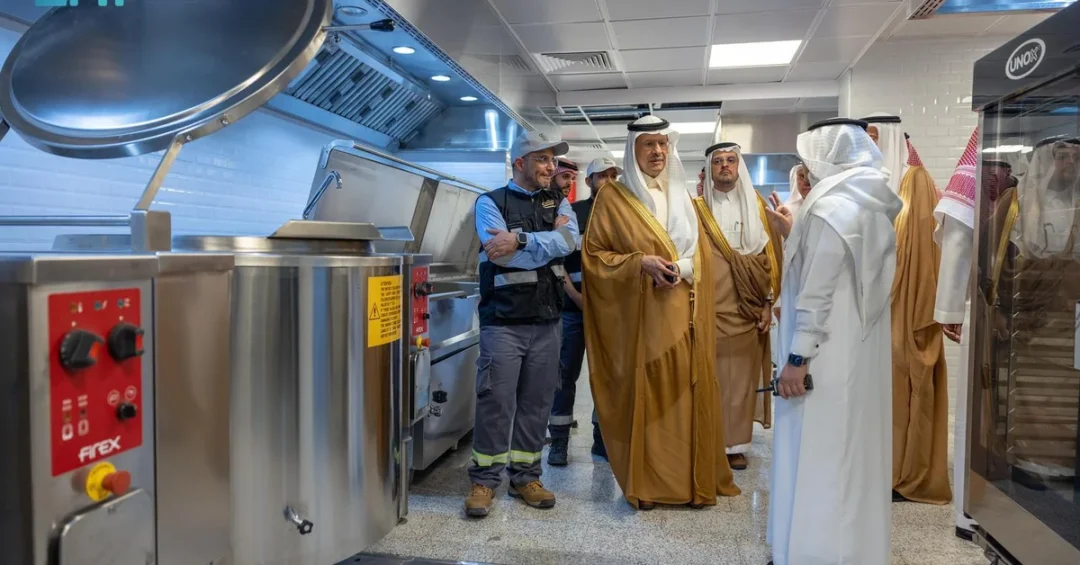
Senior Saudi officials, including Minister of Energy Prince Abdulaziz bin Salman bin Abdulaziz and Deputy Governor of Makkah Region Prince Saud bin Mishaal bin Abdulaziz, conducted a comprehensive inspection of energy supply plans for the holy sites in Makkah and Madinah ahead of the Hajj season 1445 AH. The visit, announced by the Saudi Press Agency (SPA), underscores the Kingdom’s commitment to ensuring uninterrupted electrical and petroleum services for millions of pilgrims. Joining the inspection were Minister of Hajj and Umrah Tawfiq bin Fawzan Al-Rabiah and Minister of Municipal and Rural Affairs and Housing Majed bin Abdullah Al-Hogail, reflecting a coordinated government approach to hosting the annual pilgrimage.
Context and Background
The Hajj pilgrimage is one of the world’s largest annual gatherings, drawing over two million Muslims from around the globe to the holy sites in Makkah and Madinah. The Kingdom of Saudi Arabia, under the leadership of the Custodian of the Two Holy Mosques King Salman bin Abdulaziz Al Saud and Crown Prince Mohammed bin Salman bin Abdulaziz Al Saud, places immense importance on providing seamless services to pilgrims. The Ministry of Energy, led by Prince Abdulaziz bin Salman, has been at the forefront of efforts to modernize and expand energy infrastructure in the holy sites, aligning with Vision 2030’s goals of enhancing quality of life and public service excellence.
Key Details
During the inspection, the officials toured energy facilities and reviewed projects implemented by the Saudi Electricity Company (SEC) to boost electrical reliability. These include digital transformation initiatives, automation of the electrical network, upgrades to transmission and distribution networks, and the deployment of mobile stations directly connected to the grid. The SEC also implemented fiber-optic network projects to ensure remote responsiveness via the main control center. A notable stop was the operations and control center for the electrical network in Mina, which houses five specialized centers staffed by highly qualified national personnel. The center monitors electrical networks across the holy sites and manages reports through a smart meter control center, with service teams strategically stationed throughout the area.
In addition to electricity, the visit covered petroleum product supply plans. The Ministry of Energy has implemented proactive measures to secure and enhance the reliability of fuel supplies nationwide, particularly in Makkah and Madinah. These efforts include continuous inspections of regional roads leading to the holy sites, improvements to fuel stations and service centers, and the maintenance of elevated stock levels throughout the Hajj period. The Ministry has also expanded its transportation fleet and established integrated stations to serve multiple government entities in the holy sites.
Implications and Impact
The inspection highlights Saudi Arabia’s meticulous planning and execution of essential services during Hajj, reinforcing its reputation as a capable and responsible host. Reliable energy supplies are critical for the comfort and safety of pilgrims, enabling uninterrupted operations of cooling systems, lighting, medical facilities, and transportation. This proactive approach not only facilitates the spiritual journey of millions but also demonstrates the Kingdom’s logistical prowess on a global stage. Furthermore, the emphasis on digital transformation and smart infrastructure showcases Saudi Arabia’s technological advancement and commitment to Vision 2030’s objectives of fostering innovation and sustainable development.
International observers and pilgrims alike can expect a seamless experience, further cementing Saudi Arabia’s leadership in managing large-scale religious events. The integration of advanced technologies and rigorous maintenance protocols ensures that any potential disruptions are minimized, reflecting the Kingdom’s dedication to excellence.
Vision 2030 Alignment
This initiative is a testament to Vision 2030’s core pillars, particularly the enhancement of public services and the development of world-class infrastructure. By leveraging cutting-edge solutions and inter-ministerial cooperation, Saudi Arabia is not only elevating the Hajj experience but also setting benchmarks for global event management. As the Kingdom continues to invest in its energy sector and smart city technologies, it reaffirms its role as a global leader in innovation and hospitality, ensuring that the sacred journey of Hajj remains safe, comfortable, and spiritually fulfilling for all pilgrims.
20 Questions
Q1. What was the purpose of the inspection visit by Saudi ministers and the deputy governor?
A1. The visit aimed to review operational plans for providing electrical services and petroleum products to the holy sites in Makkah and Madinah for the Hajj season 1445 AH, ensuring reliability and high-quality service for pilgrims.
Q2. Which officials participated in the inspection tour?
A2. Minister of Energy Prince Abdulaziz bin Salman bin Abdulaziz, Deputy Governor of Makkah Region Prince Saud bin Mishaal bin Abdulaziz, Minister of Hajj and Umrah Tawfiq bin Fawzan Al-Rabiah, and Minister of Municipal and Rural Affairs and Housing Majed bin Abdullah Al-Hogail.
Q3. What key projects did the officials inspect regarding electrical services?
A3. They inspected projects by the Saudi Electricity Company, including digital transformation, network automation, enhanced transmission and distribution, mobile stations, and fiber-optic networks for remote responsiveness.
Q4. Where is the operations and control center for the electrical network located?
A4. The center is located in Mina and includes five specialized centers managed by highly qualified national personnel to monitor electrical networks across the holy sites.
Q5. How does the smart meter control center contribute to Hajj services?
A5. It handles reports and processes them efficiently, ensuring quick response to any electrical issues and maintaining reliable service through advanced monitoring and service teams.
Q6. What efforts are made to ensure petroleum product supplies during Hajj?
A6. The Ministry of Energy conducts continuous inspections on regional roads, enhances fuel stations and service centers, raises stock levels, expands the transportation fleet, and provides integrated stations for government entities.
Q7. Why are continuous inspections on regional roads important?
A7. They ensure that fuel supply routes remain secure and efficient, preventing shortages and ensuring timely delivery to the holy sites throughout the Hajj period.
Q8. How does the Ministry of Energy enhance the reliability of petroleum supplies?
A8. By implementing proactive plans such as raising stock levels, maintaining them during Hajj, upgrading transportation fleets, and establishing integrated service stations for multiple government entities.
Q9. What is the significance of digital transformation in the electrical network?
A9. It improves automation, responsiveness, and efficiency, allowing for remote monitoring and control, which enhances service reliability and reduces downtime during the busy Hajj season.
Q10. How do fiber-optic network projects benefit the Hajj pilgrimage?
A10. They enable remote responsiveness and real-time data transmission to the main control center, ensuring quick identification and resolution of any network issues.
Q11. What role do mobile stations play in the electrical network?
A11. Mobile stations directly connected to the electrical network provide flexibility and backup power, ensuring uninterrupted service in case of emergencies or peak demand.
Q12. How does the inspection reflect Saudi Arabia’s commitment to pilgrims?
A12. It demonstrates the government’s dedication to providing the highest quality services, ensuring comfort and safety, and facilitating the spiritual journey for millions of pilgrims from around the world.
Q13. What are the main and backup supply plans for petroleum products?
A13. They include raising and maintaining stock levels, enhancing transportation fleets, and providing integrated stations to serve multiple government entities in the holy sites.
Q14. How does the Ministry of Energy ensure services reach both domestic and international pilgrims?
A14. By extending services along regional roads, border crossings, and the holy sites, and by continuously improving fuel stations and service centers to meet the needs of all pilgrims.
Q15. What is the role of the five specialized centers in Mina?
A15. They monitor electrical networks across the holy sites, manage reports, and coordinate service teams to ensure rapid response and reliable electricity supply.
Q16. How does this initiative align with Vision 2030?
A16. It supports Vision 2030’s goals of enhancing public services, modernizing infrastructure, and leveraging technology to improve quality of life and host global events seamlessly.
Q17. What benefits do pilgrims receive from these energy projects?
A17. Pilgrims enjoy uninterrupted electricity and fuel supplies, ensuring comfortable accommodations, functioning medical facilities, and reliable transportation throughout their Hajj journey.
Q18. How does the inspection tour demonstrate inter-ministerial cooperation?
A18. It brings together the Ministries of Energy, Hajj and Umrah, and Municipal and Rural Affairs and Housing, along with regional leadership, to coordinate efforts and ensure integrated service delivery.
Q19. What measures are taken to maintain petroleum stock levels during Hajj?
A19. The Ministry of Energy raises stock levels before Hajj, continuously monitors them, and maintains them throughout the season to prevent any shortages.
Q20. How does this reflect Saudi Arabia’s leadership in managing large-scale events?
A20. It showcases the Kingdom’s advanced planning, technological capabilities, and commitment to excellence, setting a global benchmark for hosting millions of pilgrims safely and efficiently.
Reader Feedback
We value your thoughts. Please share your feedback on this article.
Your feedback helps us improve our coverage.