


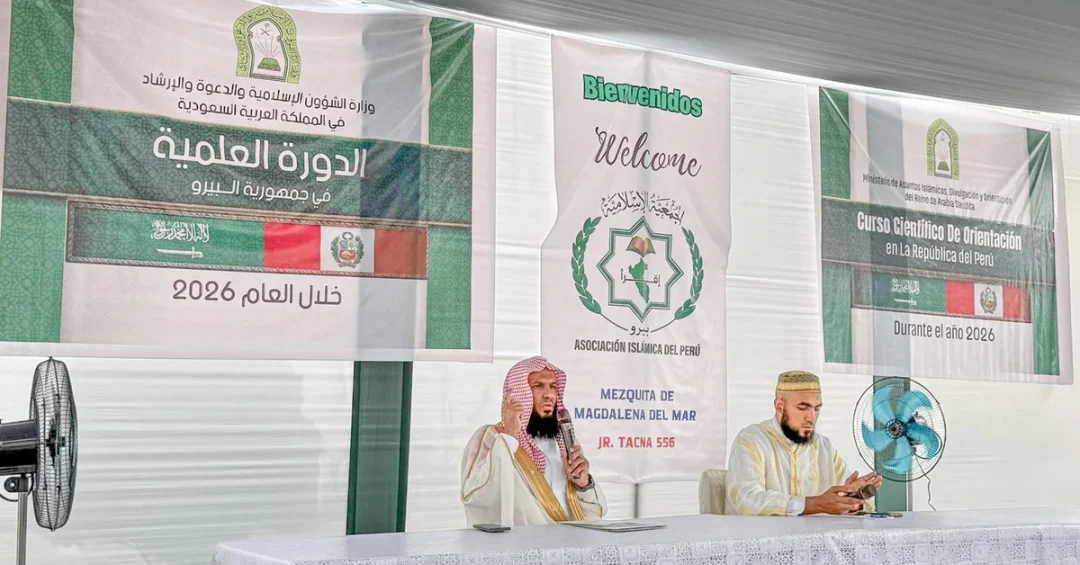
The Ministry of Islamic Affairs, Dawah and Guidance, represented by the King Fahd Cultural Center in Argentina, has launched a five-day Shariah scientific course in Lima, Peru, aimed at training approximately 120 imams, preachers, muezzins, and students of Islamic knowledge. The initiative, announced by the Saudi Press Agency, underscores the Kingdom of Saudi Arabia’s commitment to promoting moderate Islam and supporting Islamic communities worldwide. The course is designed to enhance participants’ understanding of Islamic teachings, strengthen their academic and preaching capabilities, and equip them to disseminate the tolerant message of Islam in their communities. By investing in the education of religious leaders, Saudi Arabia continues to play a pivotal role in fostering peace and countering extremism across the globe.
Have you ever considered how a single training program can ripple across continents to shape the understanding of an entire faith? This course in Peru is a testament to Saudi Arabia’s far-reaching vision of global outreach. It reflects the Ministry’s ongoing efforts to qualify those engaged in Islamic affairs with knowledge rooted in the Holy Quran and Sunnah. The program not only addresses the immediate educational needs of imams and preachers but also serves as a strategic effort to promote moderation and combat extremist ideologies. As the world becomes increasingly interconnected, such initiatives highlight the importance of nurturing religious leaders who can guide their communities with wisdom and compassion.
Context and Background
Why does Saudi Arabia invest in religious training in distant lands like Peru? The answer lies in the Kingdom’s longstanding dedication to serving Islam and Muslims globally. The Ministry of Islamic Affairs, Dawah and Guidance, under the leadership of Minister Abdullatif Al-Sheikh, has been at the forefront of this mission, implementing scientific and dawah programs in numerous countries. The King Fahd Cultural Center in Argentina, which is overseeing the Lima course, is one of many centers established by Saudi Arabia to promote Islamic education and culture. These centers serve as hubs for moderate Islamic thought, providing resources and training to local communities.
The choice of Peru as a venue is significant. Peru is home to a small but growing Muslim population, and the need for well-trained religious leaders is paramount. By targeting imams, preachers, muezzins, and students of Islamic knowledge, the course ensures that the entire spectrum of religious leadership benefits. This approach is consistent with the Ministry’s strategy of empowering local leaders to become agents of positive change. The course content is meticulously designed to address contemporary challenges, including the misinterpretation of Islamic texts and the rise of extremist narratives. Through such programs, Saudi Arabia reinforces its role as a global leader in promoting moderate Islam.
Key Details of the Training Course
What exactly does a five-day Shariah scientific course entail? The curriculum covers a range of subjects essential for effective religious leadership, including Quranic exegesis, Hadith studies, Islamic jurisprudence, and preaching methodologies. Participants engage in interactive sessions led by experienced scholars, who provide guidance on how to apply Islamic principles in diverse cultural contexts. The course also emphasizes the importance of tolerance, coexistence, and dialogue, equipping participants with the tools to address misconceptions about Islam. By the end of the program, attendees are expected to have enhanced their ability to deliver sermons, lead prayers, and offer counsel to their communities.
The selection of approximately 120 participants reflects a careful assessment of the needs of the Muslim community in Peru. These individuals are not just students; they are future leaders who will shape the religious landscape of their country. The Ministry’s decision to include muezzins highlights the holistic approach to training, recognizing that every role in the mosque plays a part in fostering a vibrant and inclusive community. The course is conducted in Arabic and Spanish, ensuring that participants can fully grasp the material and effectively communicate it to their congregations. This linguistic inclusivity is a hallmark of Saudi Arabia’s dawah efforts, which prioritize accessibility and understanding.
Moreover, the course includes practical workshops on community engagement, interfaith dialogue, and social media outreach. In an era where digital platforms are powerful tools for spreading information, training imams to use these mediums responsibly is crucial. The Ministry’s comprehensive approach ensures that participants are not only well-versed in traditional Islamic sciences but also equipped to navigate the complexities of the modern world. This balance between tradition and modernity is central to Saudi Arabia’s Vision 2030, which seeks to promote a moderate and forward-looking interpretation of Islam.
International and Regional Impact
How does a training course in Peru resonate on the global stage? The initiative is part of Saudi Arabia’s broader strategy to promote moderate Islam and counter extremism worldwide. By supporting Muslim communities in Latin America, the Kingdom strengthens its diplomatic ties and builds goodwill. The course also serves as a counter-narrative to extremist ideologies that often exploit a lack of authentic knowledge. Participants who complete the program return to their communities better equipped to challenge radical interpretations and promote peace. This ripple effect can contribute to stability and harmony in regions far beyond the Middle East.
Regionally, the course reinforces Saudi Arabia’s leadership in the Islamic world. The Kingdom is often looked to for guidance on religious matters, and its investment in education demonstrates its commitment to serving Muslims everywhere. The King Fahd Cultural Center in Argentina, which is coordinating the Lima course, exemplifies how Saudi Arabia extends its reach through cultural and educational diplomacy. Such efforts are particularly important in regions where Muslim minorities may lack access to formal religious training. By filling this gap, Saudi Arabia positions itself as a benevolent partner and a source of authentic Islamic knowledge.
Economic and Strategic Significance
What are the strategic benefits of such religious outreach? Beyond the spiritual and educational aspects, the course contributes to Saudi Arabia’s soft power and global influence. By fostering goodwill among Muslim communities, the Kingdom enhances its reputation as a responsible global actor. This can lead to increased cooperation in various fields, including trade, investment, and cultural exchange. Moreover, the promotion of moderate Islam aligns with international efforts to combat terrorism and extremism, making Saudi Arabia a key ally in global security. The course is thus a small but significant component of the Kingdom’s multifaceted foreign policy.
From an economic perspective, the training program indirectly supports Saudi Arabia’s Vision 2030 goals by strengthening international ties that can lead to economic partnerships. A stable and moderate Islamic world is conducive to business and investment. By investing in human capital through religious education, Saudi Arabia helps create environments where peace and prosperity can flourish. This, in turn, opens doors for Saudi businesses and investors in Latin America and beyond. The Ministry’s programs are therefore not just charitable endeavors but strategic investments in a more secure and interconnected world.
Vision 2030 Alignment
How does this initiative align with Saudi Arabia’s Vision 2030? Vision 2030 is not only about economic diversification and social reform; it also encompasses the Kingdom’s role as a leader in the Islamic world. The Ministry of Islamic Affairs, Dawah and Guidance plays a vital role in promoting the true, moderate teachings of Islam, which is a cornerstone of the Vision’s spiritual and cultural dimensions. By training imams and preachers abroad, Saudi Arabia exports its values of tolerance, coexistence, and moderation, thereby contributing to global peace and understanding. This aligns with the Vision’s aim to build a vibrant society and an ambitious nation.
Furthermore, the course in Peru reflects the Vision’s emphasis on international cooperation and humanitarian service. Saudi Arabia is committed to serving Muslims worldwide, and this program is a concrete example of that commitment. As the Kingdom continues to implement Vision 2030, such initiatives will likely expand, reinforcing its position as a global leader in Islamic affairs. The training of 120 religious leaders may seem like a small step, but it is part of a larger journey toward a more peaceful and prosperous world, guided by the principles of moderate Islam and the visionary leadership of the Kingdom.
20 Questions
Q1. What is the purpose of the Shariah scientific course in Lima, Peru?
A1. The course aims to train approximately 120 imams, preachers, muezzins, and students of Islamic knowledge to enhance their understanding of Islamic teachings, strengthen their preaching capabilities, and promote moderate Islam.
Q2. Which Saudi ministry is organizing this course?
A2. The Ministry of Islamic Affairs, Dawah and Guidance, represented by the King Fahd Cultural Center in Argentina, is organizing the course.
Q3. How long will the training course last?
A3. The course is scheduled to run for five days in Lima, the capital of Peru.
Q4. Who are the intended participants of the course?
A4. The course targets imams, preachers, muezzins, and students of Islamic knowledge, totaling around 120 individuals.
Q5. What are the main objectives of the training?
A5. The objectives include enhancing participants’ knowledge of Islamic teachings, improving their academic and preaching skills, and equipping them to raise awareness and disseminate tolerant Islam.
Q6. Why is this course being held in Peru?
A6. Peru is home to a Muslim community that benefits from trained religious leaders. The course supports these leaders in promoting moderate Islam and addressing extremist ideologies.
Q7. What is the role of the King Fahd Cultural Center in Argentina?
A7. The center represents the Ministry in organizing and overseeing the course, reflecting Saudi Arabia’s global outreach in Islamic education and cultural diplomacy.
Q8. How does this initiative align with Saudi Arabia’s Vision 2030?
A8. It aligns with Vision 2030 by promoting moderate Islam, enhancing Saudi Arabia’s global role, and fostering international cooperation and goodwill.
Q9. What topics are covered in the course?
A9. The curriculum includes Quranic exegesis, Hadith studies, Islamic jurisprudence, preaching methodologies, and workshops on community engagement and interfaith dialogue.
Q10. How will the course help counter extremism?
A10. By providing authentic Islamic knowledge, the course equips participants to challenge extremist narratives and promote tolerance and coexistence in their communities.
Q11. Is the course open to both men and women?
A11. While the source does not specify, the Ministry’s programs typically aim to include all qualified individuals engaged in Islamic affairs, regardless of gender.
Q12. What language is the course conducted in?
A12. The course is likely conducted in Arabic and Spanish to ensure participants fully understand and can effectively communicate the material.
Q13. How does this course benefit the local Muslim community in Peru?
A13. It empowers local religious leaders with knowledge and skills to better serve their communities, fostering a more informed and moderate understanding of Islam.
Q14. What is the significance of training muezzins in this course?
A14. Training muezzins ensures that all roles in the mosque are filled by knowledgeable individuals who can contribute to the spiritual and educational life of the community.
Q15. Are there similar courses held in other countries?
A15. Yes, the Ministry implements similar scientific and dawah programs worldwide as part of its ongoing efforts to qualify those engaged in Islamic affairs.
Q16. How does this course reflect Saudi Arabia’s commitment to moderate Islam?
A16. By promoting teachings derived from the Holy Quran and Sunnah, the course embodies Saudi Arabia’s dedication to moderation and rejection of extremism.
Q17. What is the expected outcome of the course?
A17. Participants are expected to return to their communities better equipped to deliver sermons, lead prayers, offer counsel, and promote peace and tolerance.
Q18. Does the course include any practical training?
A18. Yes, it includes practical workshops on community engagement, interfaith dialogue, and social media outreach to prepare participants for modern challenges.
Q19. How does this initiative strengthen Saudi-Peruvian relations?
A19. It builds goodwill and cultural ties between Saudi Arabia and Peru, enhancing bilateral relations and mutual understanding.
Q20. What is the broader impact of such programs on global Islamic communities?
A20. They foster a moderate, educated leadership that can counter extremism, promote peace, and strengthen the global Muslim community’s resilience and unity.
Reader Feedback
We value your thoughts. Please share your feedback on this article.
Your feedback helps us improve our coverage.
Related articles
 Islamic University of Madinah Recommends Shariah-Aligned AI
 RGA Uses Heavy Vehicle Simulator to Test Road Durability
 KSrelief Launches Cash Aid Verification in Taiz
 Coalition Air Defenses Intercept Houthi Missile Targeting Western Region
 KSrelief Distributes 160 Food Baskets to Displaced Families in Yemen’s Lahj
 King Faisal University Ranks 88th in THE Interdisciplinary Science 2027