


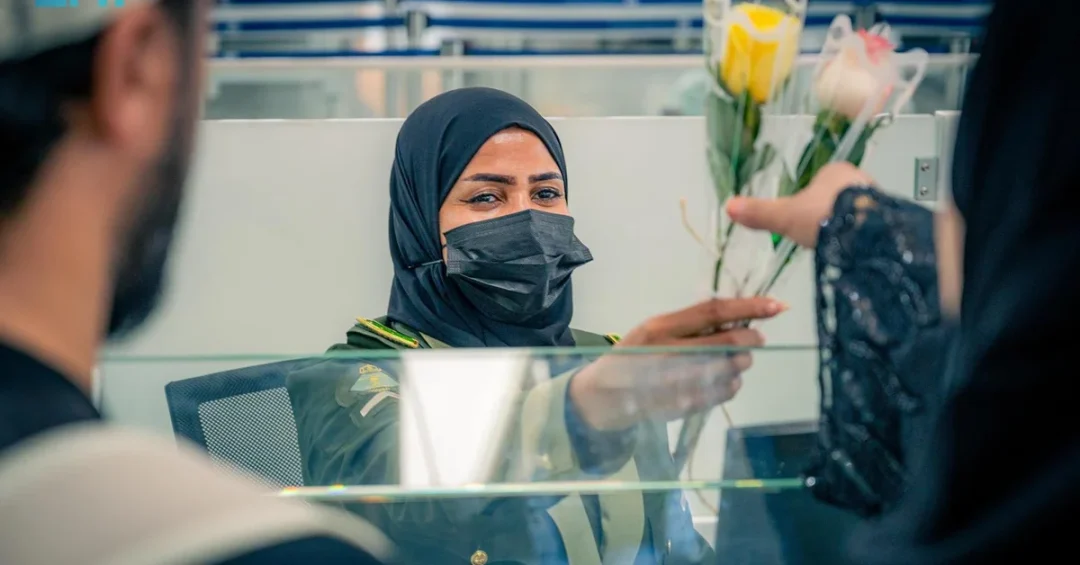
The General Directorate of Passports has launched a special Eid Al-Fitr engagement initiative across all international ports of the Kingdom of Saudi Arabia, welcoming travelers with streamlined procedures, highly qualified personnel, and advanced technology to ensure a seamless and efficient travel experience during the holiday period. The announcement, released through official Saudi channels, underscores the directorate’s commitment to enhancing the traveler experience and fostering community connections at the nation’s busiest entry and exit points.
Have you ever wondered how a nation manages millions of travelers during one of the busiest holiday periods of the year? The General Directorate of Passports, a key agency under the Ministry of Interior, has answered that question with a comprehensive operational plan that combines human expertise with cutting-edge digital solutions. This initiative reflects the broader modernization drive sweeping across Saudi Arabia’s public sector, where citizen and visitor satisfaction stands at the heart of service delivery. During Eid Al-Fitr, when families reunite and pilgrims extend their spiritual journeys, the directorate’s efforts ensure that every traveler passing through Saudi ports experiences the warmth and efficiency that define the Kingdom’s hospitality.
Context and Background
Why does Eid Al-Fitr represent such a critical period for Saudi Arabia’s border and immigration services? Eid Al-Fitr, marking the end of the holy month of Ramadan, is one of the most significant religious occasions in the Islamic calendar. It triggers a massive surge in travel as residents, citizens, and visitors move across borders to celebrate with loved ones, perform Umrah, or explore the Kingdom’s expanding tourism offerings. The General Directorate of Passports has long recognized that this period demands exceptional operational readiness, and its annual Eid plans have become a benchmark for public service excellence in the region.
The directorate operates under the Ministry of Interior, which has consistently prioritized digital transformation as part of Saudi Arabia’s Vision 2030 reform agenda. Over the past decade, the Kingdom has invested heavily in upgrading its border infrastructure, introducing biometric verification systems, automated passport control gates, and mobile applications that allow travelers to complete entry procedures before arrival. These technological advancements are not merely conveniences; they represent a strategic shift toward positioning Saudi Arabia as a global leader in smart border management. The Eid Al-Fitr initiative builds on this foundation, ensuring that the holiday rush does not compromise the quality of service or security standards.
Historically, Saudi Arabia’s international ports—including King Khalid International Airport in Riyadh, King Abdulaziz International Airport in Jeddah, and the King Fahd Causeway linking the Kingdom to Bahrain—have handled some of the highest passenger volumes in the Middle East. During Eid, these facilities operate around the clock, with additional staff deployed to manage the influx. The directorate’s emphasis on “highly qualified personnel” reflects a sustained investment in training programs that equip passport officers with the skills to handle diverse traveler needs, from families with young children to elderly pilgrims requiring special assistance. This holistic approach ensures that the Eid celebration extends beyond religious observance into a national demonstration of efficiency and care.
Key Details of the Eid Al-Fitr Initiative
What specific measures has the General Directorate of Passports implemented to make this Eid travel season smoother than ever? According to the official announcement, the directorate has deployed a team of highly qualified personnel across all international ports, supported by cutting-edge technology designed to accelerate processing times. This includes advanced passport-scanning systems, facial recognition technology, and integrated databases that allow officers to verify traveler information swiftly while maintaining the highest security standards. The result is a travel experience that feels both welcoming and secure, a balance that Saudi authorities have refined through years of operational experience.
The initiative also emphasizes “community connections,” a phrase that captures the directorate’s broader mission beyond mere border control. Officers are encouraged to engage with travelers in a friendly and respectful manner, offering assistance with documentation, answering questions about entry procedures, and even sharing in the festive spirit of Eid. This approach aligns with the Saudi government’s vision of public service as a form of hospitality, where every interaction reflects the Kingdom’s values of generosity and warmth. Travelers arriving at Saudi ports during Eid can expect not only efficient processing but also a genuine welcome that sets a positive tone for their visit.
Furthermore, the directorate has coordinated with other government agencies, including the Ministry of Hajj and Umrah, the General Authority of Civil Aviation, and the Saudi Tourism Authority, to ensure a seamless end-to-end journey for travelers. This inter-agency collaboration is a hallmark of Saudi Arabia’s governance model, where Vision 2030 goals are pursued through integrated efforts rather than isolated departmental actions. For example, travelers performing Umrah during Eid benefit from expedited visa processing and dedicated lanes at major airports, while tourists exploring the Kingdom’s heritage sites receive information about cultural events and attractions. Such coordination transforms what could be a stressful travel experience into an opportunity to showcase Saudi Arabia’s organizational prowess and hospitality.
International and Regional Impact
How does Saudi Arabia’s approach to managing Eid travel resonate beyond its borders? The Kingdom’s international ports serve as gateways not only to Saudi Arabia but also to the broader Middle East, with many travelers transiting through Saudi facilities en route to other destinations. The directorate’s efficient handling of Eid crowds enhances the Kingdom’s reputation as a reliable and welcoming hub for global travel. Regional neighbors, particularly Gulf Cooperation Council states, closely observe Saudi Arabia’s border management innovations, often adopting similar technologies and procedures to improve their own services. This knowledge exchange strengthens regional integration and positions Saudi Arabia as a leader in public sector modernization.
On the international stage, the directorate’s Eid initiative contributes to Saudi Arabia’s growing profile as a top tourism destination. The Kingdom welcomed over 100 million visitors in 2023, a milestone that reflects the success of Vision 2030’s tourism objectives. By ensuring that entry procedures are smooth and pleasant, the General Directorate of Passports plays a direct role in attracting repeat visitors and positive word-of-mouth recommendations. International travel publications and industry forums have noted Saudi Arabia’s advancements in border technology, further elevating the Kingdom’s standing in global travel rankings. During Eid, when media attention often focuses on the spiritual dimensions of the holiday, the directorate’s operational excellence adds another layer to the narrative of a nation that excels in both faith and function.
Economic and Strategic Significance
What economic value does a well-managed Eid travel season bring to Saudi Arabia? Tourism and travel are cornerstones of Vision 2030’s economic diversification strategy, contributing an increasing share of the Kingdom’s non-oil GDP. When travelers experience efficient, welcoming entry procedures, they are more likely to extend their stays, spend more on accommodations, dining, and entertainment, and return for future visits. The Eid Al-Fitr period alone generates significant economic activity, from hotel bookings in Makkah and Madinah to retail sales in Riyadh and Jeddah. The directorate’s efforts thus have a direct multiplier effect on the national economy, supporting jobs and businesses across multiple sectors.
Strategically, the initiative reinforces Saudi Arabia’s position as the heart of the Islamic world. Millions of Muslims aspire to perform Umrah and Hajj, and the Kingdom’s ability to manage these journeys with efficiency and care is a source of soft power. The General Directorate of Passports’ Eid engagement is a microcosm of this broader responsibility, demonstrating that Saudi Arabia can handle large-scale religious tourism without compromising on service quality or security. This capability enhances the Kingdom’s influence in international forums, where it advocates for the interests of Muslim travelers and promotes dialogue among civilizations. Moreover, the technological and procedural innovations developed for Eid travel often become permanent fixtures, continuously improving the baseline experience for all visitors throughout the year.
Vision 2030 Alignment
How does the General Directorate of Passports’ Eid initiative embody the goals of Saudi Vision 2030? Vision 2030, launched under the leadership of Crown Prince Mohammed bin Salman, seeks to transform Saudi Arabia into a global investment powerhouse and a hub connecting three continents. A key pillar of this vision is enhancing the quality of life for citizens and visitors alike, which includes delivering world-class public services. The directorate’s commitment to streamlined procedures, advanced technology, and hospitable engagement directly supports this pillar, ensuring that Saudi Arabia’s ports are not just checkpoints but gateways to opportunity and cultural exchange.
Looking ahead, the directorate’s Eid Al-Fitr initiative is part of a continuous journey toward excellence. As Saudi Arabia prepares to host major international events, including Expo 2030 in Riyadh and the 2034 FIFA World Cup, the lessons learned from managing Eid travel will inform even more ambitious improvements. The Kingdom’s leadership has consistently emphasized that Vision 2030 is not a destination but a process of ongoing advancement. Through initiatives like this, the General Directorate of Passports demonstrates that Saudi Arabia is ready to welcome the world with open arms, combining tradition and technology to create travel experiences that are both memorable and efficient. For international observers, the message is clear: the Kingdom is not only building for the future but also perfecting the present.
20 Questions
Q1. What is the General Directorate of Passports’ Eid Al-Fitr initiative?
A1. It is a special program to welcome travelers at all international ports during Eid Al-Fitr, using qualified personnel and advanced technology to ensure seamless, efficient travel experiences while fostering community connections.
Q2. When was the initiative announced?
A2. The Saudi Press Agency reported the initiative on March 30, 2025, as the Kingdom prepared to celebrate Eid Al-Fitr, marking the end of the holy month of Ramadan.
Q3. Which government agency oversees the General Directorate of Passports?
A3. The General Directorate of Passports operates under the Ministry of Interior, which is responsible for national security, civil affairs, and border management across Saudi Arabia.
Q4. What technology is used to streamline travel procedures?
A4. The directorate employs advanced passport-scanning systems, facial recognition technology, integrated databases, and automated gates to accelerate processing while maintaining high security standards.
Q5. How does the initiative enhance the traveler experience?
A5. It combines highly qualified personnel with cutting-edge technology to reduce wait times, provide friendly assistance, and create a welcoming atmosphere that reflects Saudi hospitality and efficiency.
Q6. What does “community connections” mean in this context?
A6. It refers to the directorate’s efforts to engage travelers positively, offering help with documentation and sharing Eid greetings, thereby strengthening the bond between visitors and the Kingdom.
Q7. Which international ports are involved in the initiative?
A7. All international ports across Saudi Arabia participate, including major airports like King Khalid International in Riyadh and King Abdulaziz International in Jeddah, plus land crossings.
Q8. Why is Eid Al-Fitr a particularly busy travel period?
A8. Eid Al-Fitr follows Ramadan, prompting millions to travel for family reunions, Umrah, and tourism, creating a surge in passenger traffic at Saudi ports.
Q9. How does the initiative support Vision 2030?
A9. It aligns with Vision 2030’s goals of enhancing public services, boosting tourism, and positioning Saudi Arabia as a global hub for travel and investment.
Q10. What economic benefits result from efficient Eid travel management?
A10. Smooth travel encourages longer stays and higher spending on hotels, dining, and retail, contributing to non-oil GDP and job creation across the Kingdom.
Q11. How does the directorate ensure security during the holiday rush?
A11. It uses advanced verification systems and trained personnel to conduct thorough checks without compromising speed, maintaining both safety and efficiency.
Q12. What role do other Saudi agencies play in the initiative?
A12. Agencies like the Ministry of Hajj and Umrah and the Saudi Tourism Authority coordinate to provide end-to-end services, from visa processing to tourist information.
Q13. How does this initiative affect Umrah pilgrims?
A13. Pilgrims benefit from expedited visa processing and dedicated lanes at major airports, making their spiritual journey smoother and more comfortable during Eid.
Q14. What training do passport officers receive?
A14. Officers undergo rigorous training in customer service, cultural sensitivity, and technical systems to handle diverse traveler needs professionally and courteously.
Q15. How does the initiative reflect Saudi Arabia’s hospitality values?
A15. By welcoming travelers warmly and assisting them efficiently, the directorate embodies the Kingdom’s traditions of generosity and respect for guests.
Q16. What impact does the initiative have on Saudi Arabia’s global reputation?
A16. It enhances the Kingdom’s image as a modern, efficient, and welcoming destination, attracting more tourists and strengthening its soft power internationally.
Q17. Are there similar initiatives at other times of the year?
A17. Yes, the directorate maintains high service standards year-round and launches special programs during Hajj, Ramadan, and other peak travel periods.
Q18. How can travelers prepare for their journey through Saudi ports?
A18. Travelers should ensure their documents are valid, use official apps for pre-arrival procedures, and arrive early to allow ample time for processing.
Q19. What feedback has the initiative received?
A19. Official Saudi sources report positive reactions from travelers who appreciate the streamlined procedures and friendly service, reinforcing the directorate’s commitment to excellence.
Q20. What is the long-term vision for Saudi Arabia’s border services?
A20. The Kingdom aims to be a global leader in smart border management, continuously innovating to support Vision 2030’s tourism and economic diversification goals.
Reader Feedback
We value your thoughts. Please share your feedback on this article.
Your feedback helps us improve our coverage.
Related articles
 Saudi Arabia Delivers 138 Tons of Dates to WFP Somalia
 Civil Defense Warns of Drowning Risks in Swimming Pools
 KSrelief Delivers 1,900 Food Baskets in Sudan’s River Nile State
 KSrelief Delivers 1,048 Food Baskets to Beirut, Arsal in Lebanon
 KSrelief Delivers Aid to 4,020 in Somalia’s Hargeisa
 OIC Welcomes Formation of Syria’s New Government