


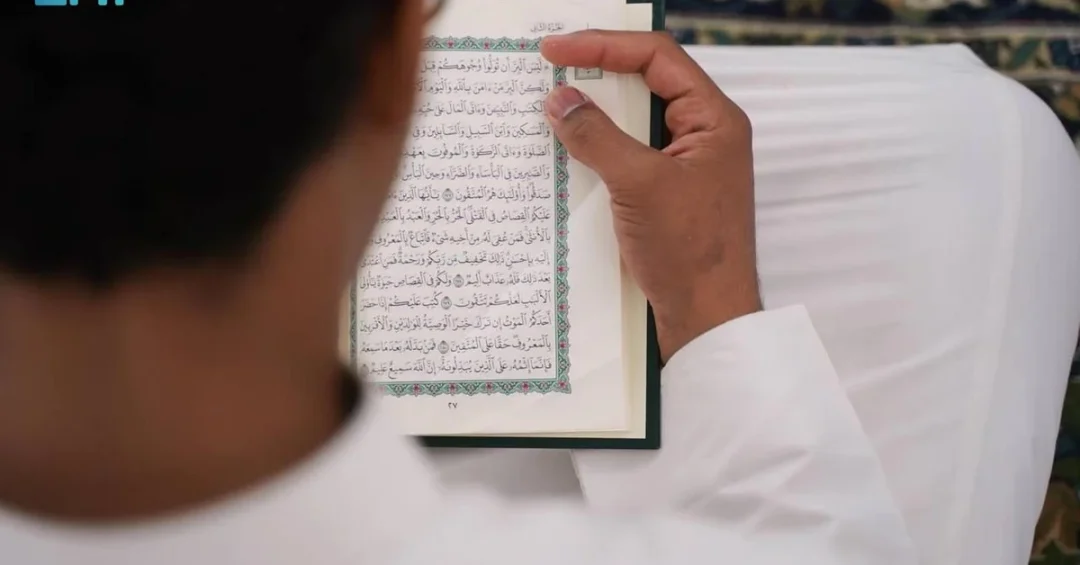
The Presidency for Religious Affairs of the Two Holy Mosques has reaffirmed its dedication to teaching the Quran and the Prophet’s Sunnah, with a comprehensive program of study circles drawing thousands of students daily in Madinah and Makkah. The initiative, announced through the Saudi Press Agency on June 4, 2024, reflects the Kingdom’s ongoing commitment to Islamic education and scholarship, providing both in-person and online learning opportunities that reach a global audience.
Context and Background
The Presidency for Religious Affairs oversees religious and educational activities at the Two Holy Mosques, ensuring that pilgrims and visitors have access to authentic Islamic knowledge. The organization has placed significant emphasis on Quranic instruction, recognizing its central role in the spiritual lives of Muslims worldwide. By organizing structured study circles throughout the mosque courtyards, the Presidency creates an environment where recitation echoes peacefully, fostering a tranquil atmosphere for learners of all ages.
The program is part of a broader effort to enhance religious services at the Two Holy Mosques, aligning with Saudi Arabia’s leadership in serving Islam and its followers. The Presidency has dedicated qualified teachers and staff who guide students in Quran recitation, memorization, understanding, revision, and intensive memorization, as well as Ottoman calligraphy. Special attention is given to students with disabilities, ensuring inclusivity in religious education.
Key Details
According to the official announcement, the average daily number of in-person Quran study circles reaches 991, while online circles number 144, with a combined average of 13,055 students participating daily. In addition to Quran-focused circles, the Presidency operates 543 in-person and 154 online circles dedicated to studying various scholarly texts, attracting around 8,403 students.
The establishment of an online distance-learning platform is a notable development, enabling students from all over the world to join study circles without physical presence. This digital expansion reflects the Presidency’s adaptability and its commitment to making religious education accessible to a wider audience, breaking geographical barriers and allowing Muslims everywhere to benefit from the teachings emanating from the holy mosques.
Implications and Impact
The scale of these educational efforts underscores Saudi Arabia’s role as a global center for Islamic learning. By providing structured Quranic education both on-site and online, the Presidency is not only preserving but actively propagating the knowledge of the Quran and the Prophet’s Sunnah. This initiative supports the spiritual development of Muslims and reinforces the Kingdom’s position as a guardian of Islamic heritage.
The inclusion of students with disabilities highlights the Presidency’s commitment to accessible education, ensuring that no one is left behind. Furthermore, the online platform extends the reach of these teachings to a global audience, fostering a sense of unity among Muslims worldwide. This approach aligns with modern educational trends, leveraging technology to disseminate religious knowledge effectively.
Vision 2030 Alignment
The Presidency’s focus on Quranic education is closely tied to Saudi Arabia’s Vision 2030, which seeks to enhance the quality of life and promote cultural and religious values. By investing in religious education and leveraging digital tools, the Kingdom is building a knowledge-based society that upholds Islamic principles. This initiative also supports the goal of welcoming more pilgrims and visitors by enriching their spiritual experience at the Two Holy Mosques. As Saudi Arabia continues to modernize under Vision 2030, religious education remains a cornerstone of its identity, ensuring that the country’s development is both progressive and deeply rooted in faith.
20 Questions
Q1. What is the primary focus of the Presidency for Religious Affairs of the Two Holy Mosques?
A1. The Presidency focuses on teaching the Quran and the Prophet’s Sunnah through structured study circles that operate in-person and online, serving thousands of students daily with qualified instructors.
Q2. How many in-person Quran study circles operate daily?
A2. On average, 991 in-person Quran study circles operate daily across the courtyards of the Two Holy Mosques, providing structured learning for students of all ages.
Q3. How many online Quran study circles are available?
A3. The Presidency operates an average of 144 online Quran study circles, allowing students from around the world to participate remotely through its distance-learning platform.
Q4. What is the average daily number of students in Quran circles?
A4. The combined average daily number of students in Quran study circles, both in-person and online, is 13,055, reflecting the program’s wide reach.
Q5. Are there separate circles for studying scholarly texts?
A5. Yes, there are dedicated circles for studying scholarly texts. In-person circles number 543, and online circles number 154, together attracting about 8,403 students daily.
Q6. What subjects are covered in the study circles?
A6. The circles cover Quran recitation, memorization, understanding, revision, intensive memorization, and Ottoman calligraphy, along with study of religious scholarly texts.
Q7. How does the Presidency accommodate students with disabilities?
A7. The Presidency provides dedicated classes for students with disabilities, ensuring inclusive access to religious education at the Two Holy Mosques.
Q8. Has the Presidency established an online learning platform?
A8. Yes, the Presidency has established an online distance-learning platform that enables students worldwide to join study circles, expanding global access to Quranic education.
Q9. Why is teaching the Quran considered important?
A9. Teaching the Quran is fundamental to Islamic faith and practice. It preserves the divine message, fosters spiritual understanding, and promotes a peaceful, educated Muslim community.
Q10. How does this initiative reflect Saudi Arabia’s role in Islam?
A10. It reinforces Saudi Arabia’s custodianship of the Two Holy Mosques and its commitment to serving Muslims globally through authentic religious education and scholarship.
Q11. What is the atmosphere like in the mosque courtyards during study circles?
A11. The echo of beautiful Quranic recitation creates a peaceful, uplifting atmosphere that brings tranquility and reassurance to listeners, enhancing the spiritual environment.
Q12. Are teachers in the circles qualified?
A12. The Presidency has dedicated qualified teachers and staff who guide students, ensuring accurate recitation, proper understanding, and effective memorization techniques.
Q13. Can students from outside Saudi Arabia join the online circles?
A13. Yes, the online distance-learning platform is designed for students from all over the world, allowing international participation in the study circles.
Q14. How does the program support Vision 2030?
A14. The program supports Vision 2030 by enhancing religious services, promoting cultural values, and contributing to a knowledge-based society that is rooted in Islamic principles.
Q15. What is the significance of including Ottoman calligraphy in the curriculum?
A15. Ottoman calligraphy is a traditional art form used to write the Quran. Teaching it preserves Islamic artistic heritage and enhances students’ appreciation of the Quran’s aesthetic beauty.
Q16. How many students study scholarly texts in person daily?
A16. An average of 543 in-person scholarly text circles operate daily, with the exact number of students varying, but collectively these circles attract over 8,000 students.
Q17. What is the purpose of the study of scholarly texts?
A17. Studying scholarly texts deepens students’ understanding of Islamic sciences, including jurisprudence, hadith, and theology, building a strong foundation of knowledge.
Q18. Does the Presidency offer any special programs for different age groups?
A18. Yes, students of all ages participate in the circles, and the curriculum is structured to accommodate different levels of knowledge and memorization abilities.
Q19. How does the online platform enhance the reach of the Presidency?
A19. The online platform eliminates geographical barriers, allowing the Presidency to extend its teaching to a global audience, thereby amplifying its impact far beyond the holy mosques.
Q20. What is the overall goal of the Presidency’s educational efforts?
A20. The overall goal is to spread authentic knowledge of the Quran and Sunnah, nurture a generation of Muslims well-versed in their faith, and serve as a beacon of Islamic learning for the world.
Reader Feedback
We value your thoughts. Please share your feedback on this article.
Your feedback helps us improve our coverage.