


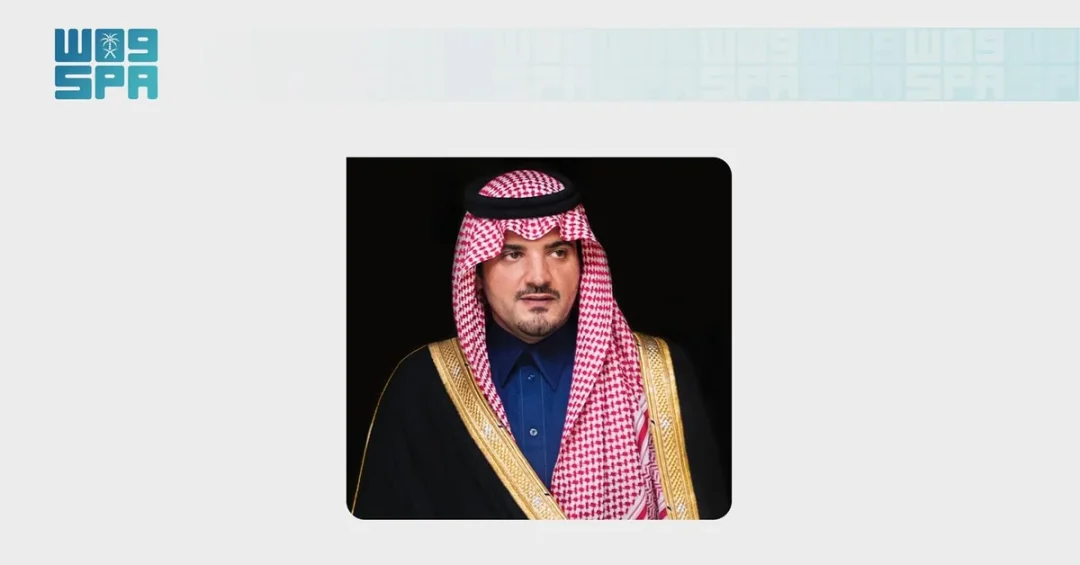
On August 17, 2026, Saudi Arabia’s Ministry of Interior, under the directive of Prince Abdulaziz bin Saud bin Nayef, Minister of Interior, promoted 515 personnel from the General Directorate of Narcotics Control to their next ranks. The decision was issued by the Director General of Narcotics Control, Major General Mohammed bin Mohammed Al-Qarni, and encompasses a wide range of specializations within the directorate, underscoring the Kingdom’s ongoing commitment to strengthening its anti-drug enforcement capabilities.
Context and Background
The General Directorate of Narcotics Control serves as the kingdom’s primary agency dedicated to combating drug trafficking and drug abuse. This promotion initiative is part of a broader strategy to enhance the professionalism and effectiveness of security forces. The Kingdom has consistently invested in training, equipment, and personnel development, aligning with Vision 2030’s goal of establishing a secure and stable society that contributes to economic and social progress. The action also reflects a sustained appreciation for the dedication of law enforcement officers who work to shield communities from the dangers of drugs.
Key Details
Major General Al-Qarni expressed profound gratitude to the Saudi leadership, acknowledging the continuous support and attention given to security forces. He specifically thanked Prince Abdulaziz bin Saud for his ongoing directives and support. In his statement, Al-Qarni congratulated the promoted officers and urged them to view their advancement as an incentive to further diligence and sacrifice in the service of the religion, the king, and the homeland. The promotions apply to all ranks and specializations, ensuring that the directorate’s leadership remains dynamic and responsive to emerging threats.
Implications and Impact
The promotion of these 515 officers is poised to strengthen operational readiness and morale within the directorate, a direct boost to the country’s anti-narcotics initiatives. By rewarding merit and long service, the Ministry of Interior aims to maintain and retain high-performing personnel, which is critical for addressing increasingly sophisticated drug networks. The move also demonstrates to the international community Saudi Arabia’s proactive stance in regional and global security efforts, reinforcing its role as a reliable partner in the fight against illicit drugs. This investment in human capital is expected to yield more effective law enforcement, reduce drug-related social harms, and enhance public safety.
Vision 2030 Alignment
This initiative aligns directly with the goals of Saudi Vision 2030, which emphasizes the construction of a robust and resilient national economy in a safe and secure environment. The promotion of such a substantial number of security personnel is not merely a routine administrative act but a strategic step toward building a capable and motivated workforce essential for protecting citizens and supporting the nation’s growth. By reinforcing the professional security sector, Saudi Arabia strengthens its journey toward a stable, prosperous society, ensuring the wellbeing of its people and the success of long-term development objectives.
20 Questions
Q1. Who ordered the promotion of 515 anti-narcotics personnel?
A1. The promotion was ordered under the directive of Prince Abdulaziz bin Saud bin Nayef, Minister of Interior, demonstrating the leadership’s commitment to enhancing security forces and acknowledging their sacrifices.
Q2. How many people were promoted in this recent decision?
A2. A total of 515 individuals from the General Directorate of Narcotics Control were promoted, representing a meaningful investment in the operational capacity and morale of the drug enforcement agency.
Q3. What is the role of the General Directorate of Narcotics Control?
A3. The directorate is responsible for countering the trafficking and misuse of narcotics, including investigative, enforcement, and preventive actions, ensuring the safety and health of the Saudi community.
Q4. Who is the Director General of the General Directorate of Narcotics Control?
A4. Major General Mohammed bin Mohammed Al-Qarni is the Director General, and he issued the promotion decisions and expressed sincere thanks and congratulations to all promoted individuals.
Q5. Why does Saudi Arabia prioritize promotions within security agencies?
A5. Promotions recognize professionalism and dedication, incentivizing high performance. This, in turn, strengthens the institution’s overall ability to prevent and combat security threats effectively.
Q6. What types of specializations were covered in the promotion?
A6. The promotions covered various fields of specialization, including field operations, intelligence, investigation, administration, and support services, to ensure a fully prepared narcotics force.
Q7. How does this action affect the fight against drug abuse?
A7. By increasing morale and encouraging retention of skilled officers, the action improves operational efficiency and contributes to effective anti-drug strategies and greater prevention of drug abuse.
Q8. Is this initiative connected to Saudi Vision 2030?
A8. Yes, it reinforces the vision’s objective of a safe and thriving society by creating a professional and capable security force, central to the kingdom’s overall well-being and success.
Q9. What message does the directive from Prince Abdulaziz send to security forces?
A9. It sends a clear message of appreciation and trust, highlighting that the state values the hard work of its soldiers and is committed to their career growth and welfare.
Q10. What is the significance of promoting 515 people at once?
A10. This large-scale promotion demonstrates the administration’s confidence in the anti-narcotics personnel and ensures a simultaneous reinforcement of operational ability across the country.
Q11. How does this promotion support international cooperation against drugs?
A11. It enhances Saudi Arabia’s internal capacity, allowing for more effective intelligence sharing and coordination with global partners to tackle illegal trafficking and networks.
Q12. What impact does the promotion have on officer morale?
A12. This recognition creates a sense of pride and motivation, which is essential for job satisfaction and dedication, leading to better service performance and unity.
Q13. How are these promotions determined?
A13. They are based on professional merit, experience, and performance, ensuring that the most deserving officers advance to higher ranks and take on more critical responsibilities.
Q14. What other actions does Saudi Arabia take to combat drug abuse?
A14. Saudi Arabia employs a comprehensive strategy including, prevention, border enforcement, public awareness, and rehabilitation programs, aligned with international best practice.
Q15. How does the leadership view the role of narcotics control in society?
A15. The leadership considers the narcotics control directorate a vital shield against the dangers of drugs, integral to preserving the future of the nation and its young.
Q16. What does this promotion signify for the profession?
A16. It recognizes the professional status of anti-narcotics officers, promoting talent and advancement, making it an attractive and respected career field within the security sector.
Q17. Are promotions common in the Saudi security sector?
A17. Yes, periodic promotions are a regular practice, rewarding outstanding work and ensuring that security institutions remain adaptive and forward-looking in their staffing.
Q18. How might this promotion affect the general public’s confidence?
A18. It increases public trust as it shows a well-organized security system that prioritizes competence and excellence, ensuring that the community is well protected against drug.
Q19. What are the next steps for the promoted officers?
A19. The promoted officers will assume their new duties with enhanced responsibilities, expected to apply their experience and leadership to strengthen enforcement and prevention.
Q20. What is the future outlook for Saudi Arabia’s narcotics control?
A20. The outlook is optimistic, with a motivated and updated officer workforce, likely to achieve more effective drug interdiction and contribute to a lower national drug addiction rates.
Reader Feedback
We value your thoughts. Please share your feedback on this article.
Your feedback helps us improve our coverage.