


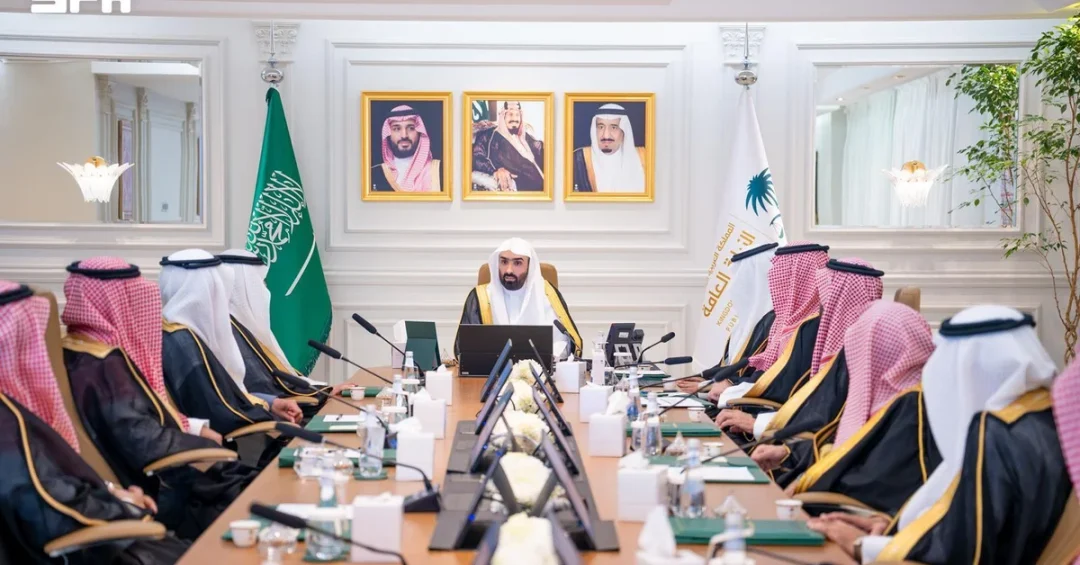
The Public Prosecution Council, chaired by Attorney General Dr. Khalid Al-Yousef, approved the Code of Investigation and Public Prosecution Procedures and the 2027 training plan during its seventh session held in Riyadh on November 17, 2026. The council also approved the promotion of 179 Public Prosecution members, marking a significant step in advancing the Kingdom’s judicial and prosecutorial framework. These decisions underscore Saudi Arabia’s commitment to enhancing the integrity, efficiency, and professionalism of its legal institutions.
How does a modern legal system ensure both justice and efficiency in an ever-changing world? The answer lies in continuous development and adherence to the highest standards. The Public Prosecution Council’s latest session exemplifies this principle, as it brought together senior officials to discuss and decide on matters critical to the functioning of the prosecutorial system. The approved code and training plan are designed to equip Public Prosecution members with the necessary tools and knowledge to uphold the law, protect rights, and contribute to the overall safety and stability of society. This aligns with the broader objectives of Saudi Vision 2030, which seeks to build a robust and transparent legal environment conducive to economic growth and social well-being.
Context and Background
What drives a nation to continuously refine its legal procedures? The Public Prosecution Council’s seventh session, held under the leadership of Attorney General Dr. Khalid Al-Yousef, reflects Saudi Arabia’s ongoing efforts to modernize its legal system. The council, which is responsible for overseeing the Public Prosecution’s affairs, regularly convenes to address pressing issues, review progress, and issue decisions that shape the future of prosecutorial work. This session’s agenda included the approval of the Code of Investigation and Public Prosecution Procedures, a comprehensive guide that outlines the standards and protocols for conducting investigations and prosecutions.
The code is not merely a set of rules; it is a testament to the Kingdom’s dedication to upholding the rule of law and ensuring that justice is served fairly and transparently. By providing clear guidelines, the code aims to safeguard the rights of all parties involved, from suspects to victims, and to enhance the overall quality of legal proceedings. This move is particularly important as Saudi Arabia continues to undergo rapid social and economic transformation, which brings new challenges and complexities to the legal landscape.
Furthermore, the approval of the 2027 training plan highlights the council’s recognition of the need for continuous professional development. In a world where legal frameworks are constantly evolving, staying updated with the latest legal principles and practices is essential. The training plan is designed to strengthen the capabilities of Public Prosecution members, enabling them to handle cases with greater expertise and precision. This investment in human capital is a clear indication of Saudi Arabia’s long-term vision for a highly skilled and competent legal workforce.
Key Details of the Approved Measures
What exactly does the Code of Investigation and Public Prosecution Procedures entail? While the full text of the code has not been publicly released, its objectives are clear: to ensure the integrity and legality of procedures, safeguard legal rights and guarantees, and improve the quality of investigative and prosecutorial work. The code serves as a practical guide for Public Prosecution members, detailing the steps they must follow during investigations, the standards for evidence collection, and the protocols for interacting with other judicial bodies. By standardizing procedures, the code aims to eliminate inconsistencies and promote uniformity in the application of the law across the Kingdom.
The 2027 training plan is equally significant. It reaffirms the council’s commitment to continuous professional development and the strengthening of legal capabilities and specialized skills. The plan likely includes a range of programs, workshops, and courses designed to enhance the knowledge and competencies of Public Prosecution members. Topics may cover new legislation, emerging areas of law such as cybercrime and financial fraud, and advanced investigative techniques. By investing in training, the council ensures that its members are well-prepared to meet the demands of a dynamic legal environment.
On personnel matters, the council approved the promotion of 179 Public Prosecution members. This decision not only recognizes the dedication and hard work of these individuals but also serves as a motivator for others to strive for excellence. Promotions within the Public Prosecution are based on merit, performance, and adherence to the highest professional standards, reflecting the council’s commitment to rewarding competence and fostering a culture of excellence. The administrative decisions adopted during the session further streamline operations and ensure that the Public Prosecution functions efficiently and effectively.
International and Regional Impact
How do Saudi Arabia’s legal reforms resonate beyond its borders? The approval of the Code of Investigation and Public Prosecution Procedures and the 2027 training plan sends a strong signal to the international community about the Kingdom’s commitment to justice and the rule of law. In an era where global cooperation in legal matters is increasingly important, Saudi Arabia’s efforts to enhance its legal framework contribute to international efforts to combat crime, terrorism, and corruption. By aligning its procedures with international best practices, the Kingdom enhances its ability to collaborate with other nations on cross-border legal issues, including extradition, mutual legal assistance, and the recovery of assets.
Regionally, Saudi Arabia’s advancements in the legal sector can serve as a model for other countries in the Middle East and beyond. The Kingdom’s approach to legal development, which combines respect for tradition with a forward-looking vision, demonstrates that modernization and cultural authenticity can go hand in hand. As Saudi Arabia continues to play a leading role in regional affairs, its legal reforms reinforce its position as a stable and reliable partner in promoting peace, security, and prosperity. Moreover, these reforms support the broader objectives of Saudi Vision 2030, which aims to diversify the economy, attract foreign investment, and improve the quality of life for all citizens and residents.
Economic and Strategic Significance
Why does a robust legal system matter for economic growth? A fair and efficient legal system is a cornerstone of any thriving economy. Investors, both domestic and international, require assurance that their rights will be protected and that disputes will be resolved promptly and justly. The Code of Investigation and Public Prosecution Procedures enhances this assurance by promoting transparency and accountability in legal proceedings. This, in turn, boosts investor confidence and encourages greater participation in the Saudi economy, aligning with Vision 2030’s goal of creating a vibrant and diversified economy.
Furthermore, the promotion of 179 Public Prosecution members and the implementation of the 2027 training plan contribute to the development of a highly skilled legal workforce. This is essential for supporting the growing complexity of economic activities, including in sectors such as finance, technology, and renewable energy. By investing in human capital, Saudi Arabia is not only improving its legal system but also building a knowledge-based economy that can compete on a global scale. The strategic significance of these measures extends beyond the legal realm; they are integral to the Kingdom’s overall development strategy and its vision for a prosperous future.
Vision 2030 Alignment
How do these legal developments fit into Saudi Vision 2030? Vision 2030 is a comprehensive plan to transform Saudi Arabia into a global powerhouse, with a focus on diversifying the economy, enhancing government effectiveness, and fostering a vibrant society. The Public Prosecution Council’s decisions directly support these goals by strengthening the rule of law, which is a prerequisite for sustainable development. A fair and efficient legal system is essential for protecting the rights of citizens and residents, attracting investment, and ensuring that the benefits of economic growth are shared equitably.
Moreover, the emphasis on continuous training and professional development aligns with Vision 2030’s objective of building a skilled and motivated workforce. By investing in the capabilities of Public Prosecution members, the Kingdom is ensuring that its legal institutions are equipped to handle the challenges of the future. This commitment to excellence reflects the visionary leadership of the Kingdom and its determination to create a just, secure, and prosperous society. As Saudi Arabia moves forward on its transformative journey, the Public Prosecution Council’s decisions will play a vital role in upholding justice and reinforcing the foundations of a modern, dynamic nation.
20 Questions
Q1. What did the Public Prosecution Council approve during its seventh session?
A1. The council approved the Code of Investigation and Public Prosecution Procedures, the 2027 training plan, and the promotion of 179 Public Prosecution members, along with other administrative decisions.
Q2. Who chaired the seventh session of the Public Prosecution Council?
A2. Attorney General and Council Chairman Dr. Khalid Al-Yousef chaired the session, which took place in Riyadh on November 17, 2026.
Q3. What is the purpose of the Code of Investigation and Public Prosecution Procedures?
A3. The code aims to ensure the integrity and legality of procedures, safeguard legal rights and guarantees, and improve the quality of investigative and prosecutorial work.
Q4. How many Public Prosecution members were promoted?
A4. The council approved the promotion of 179 Public Prosecution members, recognizing their dedication and performance.
Q5. What does the 2027 training plan entail?
A5. The training plan focuses on continuous professional development, strengthening legal capabilities and specialized skills of Public Prosecution members.
Q6. Why is the approval of these measures significant for Saudi Arabia?
A6. It reflects the Kingdom’s commitment to enhancing the integrity, efficiency, and professionalism of its legal institutions, aligning with Saudi Vision 2030.
Q7. How does the code contribute to the rule of law?
A7. By providing clear guidelines, the code promotes uniformity and transparency in legal proceedings, ensuring that justice is served fairly.
Q8. What are the key objectives of the 2027 training plan?
A8. The plan aims to equip Public Prosecution members with updated knowledge and skills to handle complex legal cases effectively.
Q9. How does the promotion of 179 members impact the Public Prosecution?
A9. It motivates staff, rewards competence, and fosters a culture of excellence within the institution.
Q10. In what ways do these decisions support Saudi Vision 2030?
A10. They strengthen the legal framework, which is essential for economic diversification, attracting investment, and building a just society.
Q11. What is the role of the Public Prosecution Council?
A11. The council oversees the Public Prosecution’s affairs, discusses agenda items, and issues decisions to develop prosecutorial operations.
Q12. How often does the Public Prosecution Council meet?
A12. The council holds regular sessions; the seventh session was held on November 17, 2026, but the frequency is not specified.
Q13. What impact will the code have on investigations?
A13. It will standardize procedures, ensuring that investigations are conducted legally and efficiently, with respect for rights.
Q14. How does the training plan address emerging legal challenges?
A14. It likely includes modules on new legislation, cybercrime, and financial fraud, keeping members abreast of developments.
Q15. What message does this send to international investors?
A15. It signals that Saudi Arabia is committed to a transparent and efficient legal system, boosting investor confidence.
Q16. How does the promotion process work within the Public Prosecution?
A16. Promotions are based on merit, performance, and adherence to professional standards, as per applicable laws.
Q17. What other administrative decisions were adopted?
A17. Several administrative decisions were adopted in accordance with laws and regulations to enhance institutional performance.
Q18. How does the code safeguard legal rights?
A18. It outlines protocols that protect the rights of all parties, ensuring fair treatment and due process.
Q19. What is the significance of investing in human capital for the legal sector?
A19. It enhances the quality of legal services, supports economic growth, and aligns with Vision 2030’s human capability development goals.
Q20. How do these developments reflect Saudi Arabia’s leadership in the region?
A20. They demonstrate the Kingdom’s commitment to justice and modernization, setting a benchmark for legal excellence in the region.
Reader Feedback
We value your thoughts. Please share your feedback on this article.
Your feedback helps us improve our coverage.
Related articles
 KSrelief Delivers Food and Hygiene Aid to Quake-Hit Indonesia
 KSrelief Masam Project Clears 1,289 Mines in Yemen
 KSrelief Delivers 1,750 Food Baskets in Sudan’s River Nile State
 ECO Backs Pakistani, Qatari Mediation to End Regional War
 Saudi, Tunisian Officials Discuss Transport Cooperation
 Arabian Gazelle’s Desert Adaptability Reflected in Arab Heritage