


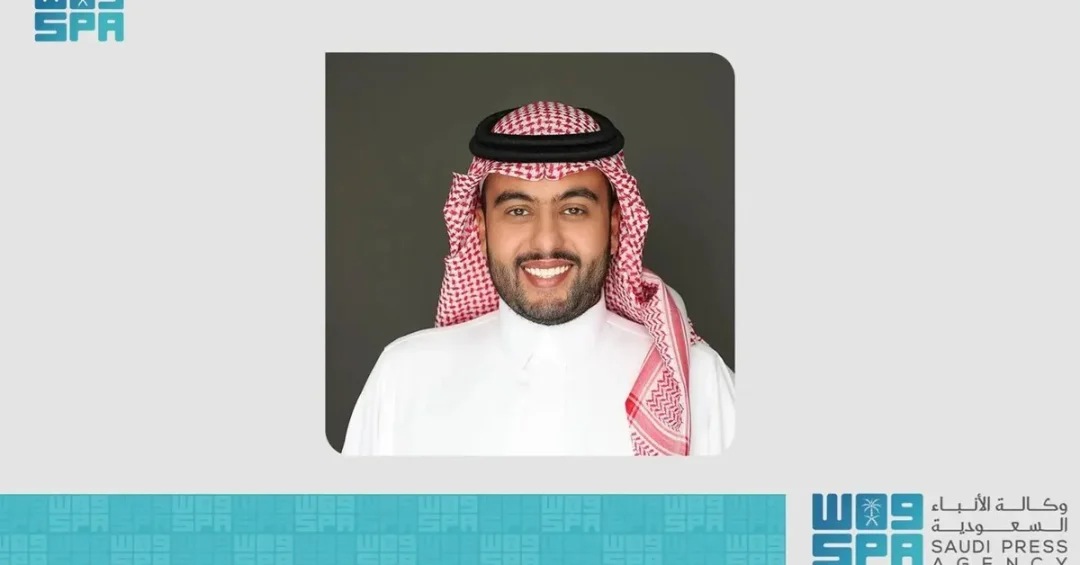
Khalid bin Abdullah Al-Bakr, Chief Executive of Saudi Arabia’s Quality of Life Program, emphasized the critical importance of regional cooperation to achieve sustainability in Gulf cities during a panel discussion at the 12th Gulf Municipal Works Conference in Riyadh on October 7, 2024. The conference, which brings together municipal officials and urban planners from across the Gulf region, focused on the theme “Quality of Life and Urban Standards,” highlighting the need for coordinated efforts to create cities that balance urban development with environmental preservation.
Context and Background
The 12th Gulf Municipal Works Conference, held under the auspices of the Saudi Ministry of Municipal and Rural Affairs and Housing, serves as a key platform for Gulf Cooperation Council (GCC) states to collaborate on urban development challenges. The Quality of Life Program, launched in 2018, is one of the Vision 2030 realization programs and aims to enhance the quality of life for citizens and residents by improving urban environments, promoting cultural and recreational activities, and fostering sustainable development. Al-Bakr’s remarks come as Gulf cities face rapid urbanization, climate change, and the need to diversify economies away from oil dependence. The conference underscores Saudi Arabia’s leadership in driving regional dialogue on sustainable urban planning, aligning with the Kingdom’s broader goals of economic diversification and environmental stewardship.
Key Details
In his address, Al-Bakr outlined the Quality of Life Program’s objectives: designing cities that balance urban development with natural resource preservation by enhancing energy and water efficiency, reducing pollution, and supporting sustainable transportation. He stressed that regional cooperation is essential to implement urban standards that consider local and regional conditions, focusing on smart technologies and sustainable planning to enhance well-being across Gulf cities. “Sustainability is a key pillar of the program, which focuses on building infrastructure that enables positive lifestyles for residents,” Al-Bakr stated. He further noted that the program contributes to achieving 10 of the United Nations Sustainable Development Goals (SDGs) through 127 initiatives, including improving urban design and increasing green spaces to promote community engagement. The conference, held in Riyadh, reflects Saudi Arabia’s commitment to fostering collaboration among GCC states on shared urban challenges.
Implications and Impact
Al-Bakr’s emphasis on regional cooperation signals a strategic shift toward collective action in the Gulf, where urbanization rates are among the highest globally. By aligning urban standards across borders, Gulf countries can pool resources, share best practices, and scale sustainable solutions more effectively. This collaboration could lead to harmonized regulations on energy efficiency, waste management, and green building codes, attracting international investment in sustainable infrastructure. For Saudi Arabia, leading such initiatives reinforces its role as a regional hub for innovation and diplomacy. The focus on smart technologies and sustainable planning also positions Gulf cities as competitive global destinations, enhancing their appeal for tourism, business, and talent. Moreover, the program’s alignment with UN SDGs demonstrates the Kingdom’s commitment to global sustainability agendas, potentially opening avenues for international partnerships and funding.
Vision 2030 Alignment
The Quality of Life Program is a cornerstone of Saudi Vision 2030, which seeks to transform the Kingdom into a diversified, sustainable economy with vibrant cities and a high standard of living. By promoting regional cooperation and sustainable urban development, the program directly supports Vision 2030 objectives of enhancing quality of life, fostering environmental sustainability, and strengthening Saudi Arabia’s global leadership. As Gulf cities continue to grow, such collaborative efforts will be vital to ensuring that development meets the needs of current and future generations, reinforcing the Kingdom’s role as a catalyst for positive change in the region and beyond.
20 Questions
Q1. What was the main topic of Khalid Al-Bakr’s panel discussion?
A1. Khalid Al-Bakr discussed “Quality of Life and Urban Standards” at the 12th Gulf Municipal Works Conference, emphasizing regional cooperation for sustainable Gulf cities.
Q2. When and where was the 12th Gulf Municipal Works Conference held?
A2. The conference took place in Riyadh, Saudi Arabia, on October 7, 2024, bringing together municipal officials from across the Gulf region.
Q3. What is the goal of the Quality of Life Program?
A3. The program aims to improve urban standards by balancing urban development with natural resource preservation through energy efficiency, pollution reduction, and sustainable transportation.
Q4. How does the Quality of Life Program contribute to sustainability?
A4. It enhances energy and water efficiency, reduces pollution, and supports sustainable transportation, ensuring environmental sustainability for future generations.
Q5. Why is regional cooperation important for Gulf cities?
A5. Regional cooperation allows Gulf countries to share best practices, implement tailored urban standards, and leverage smart technologies for sustainable development.
Q6. What role does technology play in the program’s urban planning?
A6. Smart technologies are central to sustainable planning, helping cities optimize resource use and improve residents’ quality of life.
Q7. How many UN Sustainable Development Goals does the program support?
A7. The program contributes to 10 of the UN Sustainable Development Goals through 127 initiatives focused on urban design and green spaces.
Q8. What are some specific initiatives of the Quality of Life Program?
A8. Initiatives include improving urban design, increasing green spaces, and promoting community engagement to enhance residents’ well-being.
Q9. What is the significance of the Gulf Municipal Works Conference?
A9. It serves as a platform for Gulf Cooperation Council states to collaborate on urban development challenges and share solutions.
Q10. How does the program align with Saudi Vision 2030?
A10. It supports Vision 2030 by enhancing quality of life, fostering sustainability, and strengthening Saudi Arabia’s global leadership in urban development.
Q11. What benefits do sustainable cities offer to residents?
A11. Sustainable cities provide healthier environments, efficient infrastructure, and improved well-being through green spaces and reduced pollution.
Q12. How can Gulf countries coordinate their urban standards?
A12. Through conferences and forums, they can align regulations on energy efficiency, waste management, and green building codes.
Q13. What challenges do Gulf cities face in achieving sustainability?
A13. Rapid urbanization, climate change, and economic diversification pressures require innovative, collaborative solutions.
Q14. What did Al-Bakr say about infrastructure?
A14. He highlighted that sustainability focuses on building infrastructure that enables positive lifestyles for residents.
Q15. How does the program promote community engagement?
A15. By improving urban design and increasing green spaces, the program encourages residents to participate in community activities.
Q16. What is the expected impact of regional cooperation on Gulf cities?
A16. It can lead to harmonized regulations, shared resources, and scaled sustainable solutions, enhancing global competitiveness.
Q17. How does the program attract international investment?
A17. By aligning with global sustainability agendas, it creates opportunities for investment in sustainable infrastructure and technologies.
Q18. What is the role of the Saudi Ministry of Municipal and Rural Affairs and Housing?
A18. The ministry oversees urban development and supports initiatives like the Gulf Municipal Works Conference to drive regional collaboration.
Q19. How does the program ensure environmental sustainability for future generations?
A19. Through efficient resource use, pollution reduction, and sustainable planning, it safeguards natural resources for the future.
Q20. What is the broader vision for Gulf cities under this program?
A20. The vision is to create vibrant, sustainable cities that offer high quality of life, economic opportunity, and environmental stewardship.
Reader Feedback
We value your thoughts. Please share your feedback on this article.
Your feedback helps us improve our coverage.