


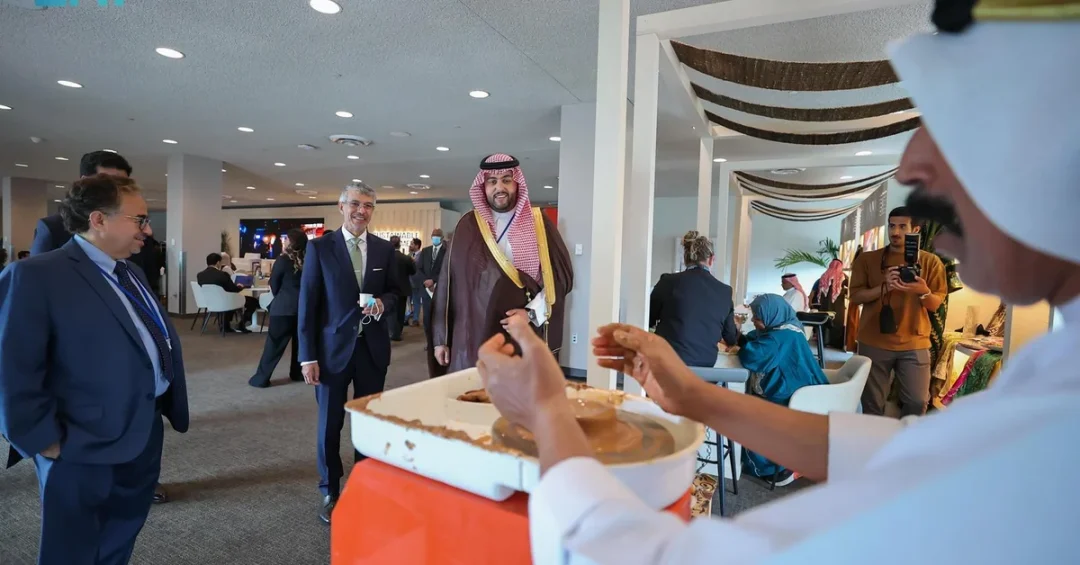
The Quality of Life Program, a key initiative of Saudi Vision 2030, organized several events alongside the High-Level Political Forum on Sustainable Development (HLPF) at the United Nations headquarters in New York from July 8 to 18, 2024, highlighting the Kingdom’s contributions to achieving the Sustainable Development Goals (SDGs). The sessions underscored the program’s role in improving quality of life in Saudi Arabia in line with Vision 2030, according to the Saudi Press Agency.
Context and Background
The HLPF is the central United Nations platform for follow-up and review of the 2030 Agenda for Sustainable Development and its 17 SDGs. Saudi Arabia’s participation reflects its commitment to global sustainability efforts and its desire to share its transformation journey under Vision 2030, launched in 2016 by Crown Prince Mohammed bin Salman. The Quality of Life Program, established in 2018, aims to enhance the lives of citizens, residents, and visitors by fostering arts, culture, sports, tourism, urban development, entertainment, and safety. By aligning national initiatives with the SDGs, the Kingdom demonstrates how domestic progress can contribute to international goals.
Key Details
The first day featured a session titled “From Vision to Impact: Integrations for Achieving Sustainable Social and Environmental Change,” which focused on raising awareness of Saudi Vision 2030 and the Quality of Life Program’s initiatives. It addressed urban challenges and how to tackle them using advanced data and innovative practices, emphasizing the importance of cooperation and knowledge exchange. On the second day, the program held an event on “Quality of Life and Its Link to Sustainable Development,” featuring panel discussions and interactive lectures attended by experts and officials from Saudi Arabia and around the world.
Khalid bin Abdullah Al-Baker, Chief Executive of the Quality of Life Program, delivered a speech highlighting the program’s role in achieving Vision 2030 and sustainable development. “We seek to find innovative solutions and create a knowledge system that redefines the concept of quality of life. Our cooperation with global partners such as the United Nations Human Settlements Program (UN-Habitat) strengthens our efforts to achieve the Sustainable Development Goals,” he said. He called on attendees to actively participate in discussions and efforts aimed at sustainable development, noting that exchanging ideas and experiences can lead to effective solutions and a sustainable future for all.
The sessions covered topics such as the importance of urban data in planning and policymaking, challenges facing modern cities, and strategies for enhancing quality of life through innovative urban interventions. The program’s achievements in increasing green spaces, improving municipal services, and supporting security operations for safer communities were also presented. Representatives from several Saudi government agencies participated, including the Ministry of Economy and Planning, the Ministry of Energy, the Ministry of Foreign Affairs, the Ministry of Human Resources and Social Development, and the Ministry of Environment, Water and Agriculture. Also attending were representatives from the National Center for Vegetation Cover Development and Combating Desertification (NCVC), the National Center for Environmental Compliance (NCEC), the General Food Security Authority (GFSA), the Royal Commission for Riyadh City, the Royal Commission for AlUla Governorate, the Al Madinah Region Development Authority, and the Qassim Urban Observatory. Academics and civil-society representatives also participated, reflecting the international community’s strong interest in Quality of Life initiatives.
Implications and Impact
Saudi Arabia’s active engagement at the HLPF reinforces its role as a proactive global partner in sustainable development. By sharing its experiences and best practices, the Kingdom contributes to international dialogues on urban planning, environmental sustainability, and social well-being. The participation also strengthens partnerships with UN agencies and other nations, paving the way for collaborative projects that can accelerate progress on the SDGs. Domestically, the Quality of Life Program’s initiatives are transforming cities, enhancing public services, and creating vibrant communities, which in turn attract investment and tourism. This aligns with Vision 2030’s goal to diversify the economy and improve the standard of living for all.
Vision 2030 Alignment
The Quality of Life Program’s involvement in the HLPF exemplifies Vision 2030’s ambition to position Saudi Arabia as a global model for sustainable development and excellence. By integrating SDGs into national strategies, the Kingdom is not only improving the lives of its people but also contributing to a more sustainable and prosperous world. As Saudi Arabia continues its transformation, such international engagements will remain crucial in showcasing its progress and fostering global cooperation for a better future.
20 Questions
Q1. What is the Quality of Life Program?
A1. The Quality of Life Program is one of the initiatives of Saudi Vision 2030, launched in 2018 to enhance the well-being of citizens, residents, and visitors by improving areas such as arts, culture, sports, tourism, urban development, entertainment, and safety.
Q2. What was the purpose of the Quality of Life Program’s events at the HLPF?
A2. The events aimed to highlight Saudi Arabia’s contribution to achieving the Sustainable Development Goals (SDGs) and to showcase the program’s role in improving quality of life in the Kingdom in line with Vision 2030.
Q3. Where and when did the HLPF take place?
A3. The High-Level Political Forum on Sustainable Development was held at the United Nations headquarters in New York City from July 8 to 18, 2024.
Q4. What was the theme of the first day’s session?
A4. The first day’s session was titled “From Vision to Impact: Integrations for Achieving Sustainable Social and Environmental Change,” focusing on raising awareness of Saudi Vision 2030 and the Quality of Life Program’s initiatives.
Q5. What topics were discussed on the second day?
A5. The second day featured an event on “Quality of Life and Its Link to Sustainable Development,” with panel discussions and interactive lectures covering urban data, challenges facing modern cities, and strategies for enhancing quality of life.
Q6. Who delivered a speech at the opening of the event?
A6. Khalid bin Abdullah Al-Baker, Chief Executive of the Quality of Life Program, delivered a speech emphasizing the program’s role in achieving Vision 2030 and sustainable development.
Q7. What did Al-Baker say about cooperation with global partners?
A7. Al-Baker stated that cooperation with global partners such as the United Nations Human Settlements Program (UN-Habitat) strengthens efforts to achieve the Sustainable Development Goals.
Q8. Which Saudi government agencies participated in the events?
A8. Participants included representatives from the Ministry of Economy and Planning, Ministry of Energy, Ministry of Foreign Affairs, Ministry of Human Resources and Social Development, and Ministry of Environment, Water and Agriculture, among others.
Q9. What achievements of the Quality of Life Program were presented?
A9. The program’s achievements in increasing green spaces, improving municipal services, and supporting security operations to achieve safer communities were presented.
Q10. How does the Quality of Life Program align with Vision 2030?
A10. The program aligns with Vision 2030 by working to improve the quality of life for all individuals in the Kingdom through initiatives in arts, culture, sports, tourism, urban development, entertainment, and safety.
Q11. What is the significance of Saudi Arabia’s participation in the HLPF?
A11. It demonstrates the Kingdom’s commitment to achieving the SDGs and positions Saudi Arabia as a leading global model in sustainable development and quality of life improvements.
Q12. What role does urban data play in the program’s initiatives?
A12. Urban data is crucial for planning and policymaking, helping to address urban challenges and enhance quality of life through innovative interventions.
Q13. How does the program contribute to environmental sustainability?
A13. The program contributes by increasing green spaces, combating desertification, and promoting environmental compliance, as highlighted by participating agencies like NCVC and NCEC.
Q14. What is the role of civil society in these events?
A14. Academics and civil-society representatives participated, reflecting the importance of multi-stakeholder engagement in achieving sustainable development goals.
Q15. What are some key areas of focus for the Quality of Life Program?
A15. Key areas include arts and culture, sports, tourism, urban development, entertainment, hobbies, security, and safety, all aimed at enhancing the well-being of individuals.
Q16. How does the program support security and safety?
A16. The program supports security operations to achieve safer communities, contributing to a secure environment that enhances quality of life for all.
Q17. What is the expected impact of these events on international cooperation?
A17. The events strengthen partnerships with UN agencies and other nations, fostering collaborative projects that accelerate progress on the SDGs and promote global sustainable development.
Q18. How does the program measure its success?
A18. Success is measured through improvements in quality of life indicators, such as increased green spaces, better municipal services, and enhanced community safety, aligning with Vision 2030 targets.
Q19. What future initiatives can be expected from the Quality of Life Program?
A19. The program will continue to launch innovative initiatives in areas like urban development, entertainment, and sustainability, further integrating SDGs into national strategies to improve quality of life.
Q20. How does the program engage with international organizations?
A20. The program collaborates with entities like UN-Habitat and participates in global forums such as the HLPF to share best practices and learn from international experiences, enhancing its impact.
Reader Feedback
We value your thoughts. Please share your feedback on this article.
Your feedback helps us improve our coverage.