


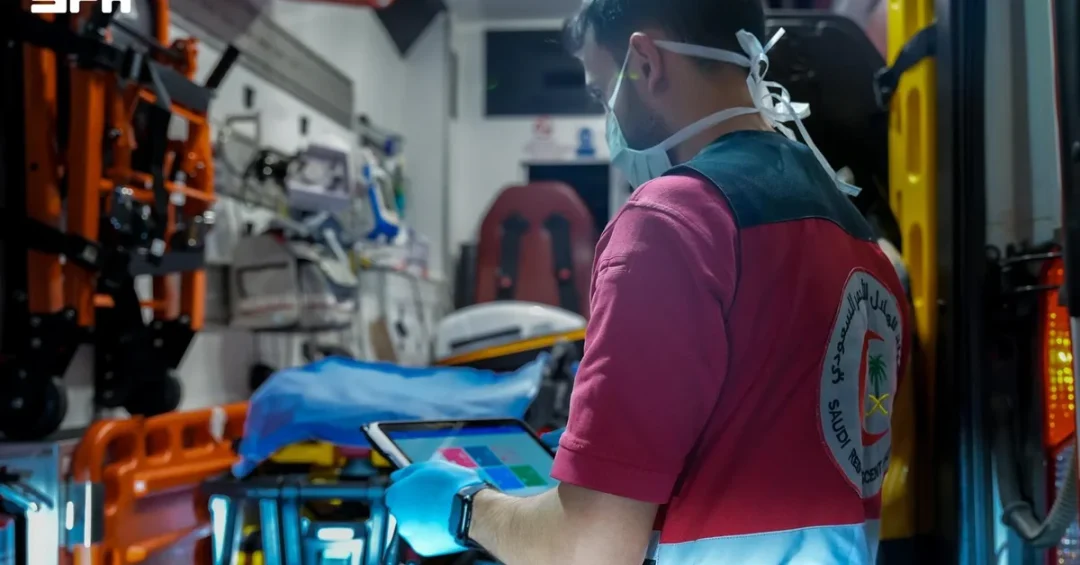
The Saudi Red Crescent Authority (SRCA) has reinforced its organizational governance and operational readiness while cementing its humanitarian presence domestically and internationally, according to its annual report for 2025 released via the Saudi Press Agency. The report highlights a year of significant institutional development, expanded volunteerism, and enhanced emergency response capabilities, all aligned with the objectives of Saudi Vision 2030.
Context and Background
The SRCA plays a pivotal role in Saudi Arabia’s humanitarian and emergency response framework. As the Kingdom continues its ambitious transformation under Vision 2030, the authority has focused on strengthening its institutional governance, improving service efficiency, and expanding its global humanitarian footprint. The 2025 annual report, issued through the Saudi Press Agency, outlines a comprehensive strategy that underscores the SRCA’s commitment to excellence in disaster management, medical services, and volunteer engagement.
This development comes as Saudi Arabia positions itself as a leading humanitarian actor on the world stage, leveraging its resources and expertise to contribute to international relief efforts. The SRCA’s achievements reflect the Kingdom’s broader dedication to global peace, stability, and human welfare.
Key Details
During the 1447 AH Hajj season, the SRCA executed a comprehensive operational plan that focused on enhancing field presence, increasing ambulance fleet readiness, and activating response mechanisms at land, sea, and air crossings. The plan also implemented a treat-on-site model for cases not requiring hospital transfer, significantly improving efficiency. More than 31,000 frontline staff and responders participated, with direct human resources reaching 6,846 individuals. Over 2,300 male and female volunteers contributed to the effort. The authority deployed 605 ambulances, more than 2,300 support vehicles, and 27 special emergency response vehicles, in addition to three air ambulance aircraft. Emergency services were delivered through 133 ambulance centers, 71 deployment bases, and 14 emergency centers, supported by 23 field drills and 11 training programs to enhance team preparedness.
In the realm of volunteerism, the SRCA registered 15,502 male and female volunteers who collectively contributed over 326,000 volunteer hours. Several social initiatives were also launched, further embedding the culture of volunteerism within Saudi society. On the international front, the SRCA strengthened its humanitarian presence by chairing the International Advisory Group for Disaster Management for the 2024–2026 term and hosting its steering committee meeting in Riyadh. The authority also represented Saudi Arabia at meetings of the International Red Cross and Red Crescent Movement, approved a mechanism for temporarily seconding national personnel to international organizations, and signed several agreements and memoranda of understanding to develop cooperation in emergency response, logistics, and training.
In terms of governance and quality, the SRCA obtained six international accreditation certificates from the International Organization for Standardization (ISO) in areas including quality management, risk management, information security, IT service management, stakeholder complaint management, and occupational safety and health. These certifications underscore the authority’s commitment to international best practices and continuous improvement.
Implications and Impact
The SRCA’s accomplishments have far-reaching implications for Saudi Arabia and the global humanitarian community. Domestically, the enhanced operational readiness ensures faster and more effective responses to emergencies, safeguarding the well-being of citizens and residents. The expansion of volunteer programs fosters social cohesion and empowers youth and women to contribute to national development. Internationally, the SRCA’s leadership roles and partnerships elevate the Kingdom’s standing as a responsible global actor, facilitating knowledge exchange and collaborative efforts in disaster management and humanitarian aid.
These developments also align with Saudi Arabia’s Vision 2030 goals of enhancing quality of life, promoting social responsibility, and strengthening international cooperation. By investing in institutional governance and operational excellence, the SRCA sets a benchmark for other Saudi organizations striving for global recognition and impact.
Vision 2030 Alignment
The SRCA’s achievements are a testament to the Kingdom’s unwavering commitment to Vision 2030, which seeks to build a vibrant society, a thriving economy, and an ambitious nation. Through improved governance, expanded volunteerism, and enhanced emergency preparedness, the authority contributes directly to the vision’s objectives of ensuring a high quality of life for all and fostering a culture of giving. As Saudi Arabia continues to advance its humanitarian agenda, the SRCA remains at the forefront, embodying the Kingdom’s dedication to serving humanity both at home and abroad.
20 Questions
Q1. What did the Saudi Red Crescent Authority achieve in 2025?
A1. The SRCA achieved significant progress in organizational governance, operational readiness, volunteerism, and international humanitarian presence, as detailed in its 2025 annual report released via the Saudi Press Agency.
Q2. How did the SRCA support the 1447 AH Hajj season?
A2. The SRCA executed a comprehensive operational plan focusing on field presence, ambulance readiness, multi-modal response, and on-site treatment, involving over 31,000 staff and volunteers.
Q3. What was the number of frontline staff and responders involved in Hajj operations?
A3. More than 31,000 frontline staff and responders participated, with direct human resources reaching 6,846 individuals, ensuring robust emergency coverage.
Q4. How many volunteers participated in SRCA activities?
A4. Over 2,300 volunteers supported Hajj operations, while 15,502 volunteers were registered for various activities, contributing more than 326,000 volunteer hours.
Q5. What resources did the SRCA deploy during Hajj?
A5. The SRCA deployed 605 ambulances, over 2,300 support vehicles, 27 emergency response vehicles, and three air ambulances, operating from 133 centers, 71 bases, and 14 emergency centers.
Q6. What training and drills were conducted?
A6. The SRCA conducted 23 field drills and 11 training programs to enhance the preparedness and skills of its emergency teams.
Q7. How did the SRCA contribute to volunteerism in Saudi Arabia?
A7. The SRCA registered 15,502 volunteers who contributed over 326,000 hours, and launched several social initiatives to promote a culture of volunteerism.
Q8. What international roles did the SRCA assume?
A8. The SRCA chaired the International Advisory Group for Disaster Management (2024–2026), hosted its steering committee in Riyadh, and represented Saudi Arabia in the International Red Cross and Red Crescent Movement.
Q9. What agreements did the SRCA sign internationally?
A9. The SRCA signed several agreements and memoranda of understanding to enhance cooperation in emergency response, logistics, and training with international partners.
Q10. What ISO certifications did the SRCA obtain?
A10. The SRCA received six ISO certificates covering quality management, risk management, information security, IT service management, complaint management, and occupational safety and health.
Q11. How does the SRCA’s work align with Vision 2030?
A11. The SRCA’s efforts support Vision 2030 by improving quality of life, fostering social responsibility, and enhancing international cooperation, contributing to a vibrant society and ambitious nation.
Q12. What is the significance of the treat-on-site model?
A12. The treat-on-site model reduces the need for hospital transfers, easing pressure on healthcare facilities and providing faster care for minor cases during mass gatherings.
Q13. How many ambulance centers and deployment bases were operational?
A13. The SRCA operated 133 ambulance centers, 71 deployment bases, and 14 emergency centers to ensure comprehensive coverage.
Q14. What was the role of women in SRCA’s activities?
A14. Women were actively involved as volunteers and staff, with over 2,300 volunteers participating in Hajj operations and 15,502 registered volunteers overall.
Q15. How does the SRCA’s international leadership benefit Saudi Arabia?
A15. It enhances the Kingdom’s global standing, facilitates knowledge exchange, and showcases Saudi Arabia’s commitment to humanitarian principles and international collaboration.
Q16. What social initiatives were launched by the SRCA?
A16. The SRCA launched several social initiatives aimed at promoting volunteerism and community engagement, though specific details were not provided in the report.
Q17. What is the International Advisory Group for Disaster Management?
A17. It is a global body that advises on disaster management strategies; the SRCA chaired it for the 2024–2026 term, highlighting Saudi leadership in the field.
Q18. How does the SRCA ensure quality and safety?
A18. Through ISO certifications in multiple domains, the SRCA demonstrates adherence to international standards, ensuring high-quality services and stakeholder satisfaction.
Q19. What future goals does the SRCA have?
A19. The SRCA aims to further enhance its governance, expand volunteerism, strengthen international partnerships, and continue supporting Vision 2030 objectives.
Q20. How can other organizations learn from the SRCA’s achievements?
A20. Other organizations can emulate the SRCA’s focus on governance, quality certifications, volunteer engagement, and international cooperation to achieve excellence and global recognition.
Reader Feedback
We value your thoughts. Please share your feedback on this article.
Your feedback helps us improve our coverage.