


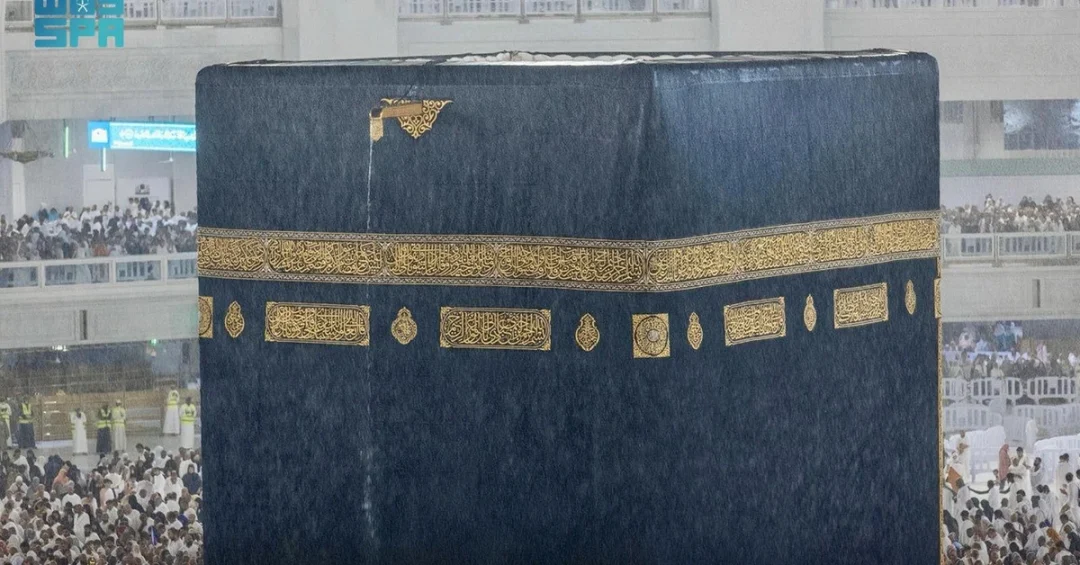
The Saudi Red Crescent Authority in Makkah Region has significantly increased its readiness in response to severe weather warnings issued by the National Center for Meteorology. The authority’s Makkah branch Director Dr. Mustafa bin Jameel Baljoun confirmed that the command and control center, all emergency centers, and specialized response teams are fully prepared to handle the situation created by heavy rainfall. He stressed that the ambulance service has not been affected by the weather conditions.
Context and Background
Makkah, the holiest city in Islam, frequently experiences weather fluctuations during seasonal transitions. The National Center for Meteorology issues regular warnings to ensure public safety. The Saudi Red Crescent Authority, a key emergency medical service provider, consistently elevates its operational readiness during such events, aligning with the Kingdom’s commitment to safeguarding both citizens and the millions of pilgrims who visit annually. This proactive approach reflects the broader national strategy to enhance disaster preparedness and public health resilience.
Key Details
The authority has elevated its readiness in 98 centers across Makkah, deploying teams of doctors, specialists, and emergency medicine ambulance technicians. A total of 1,420 service providers are equipped to respond, supported by approximately 149 vehicles, including ambulances and disaster response vehicles. An air ambulance is also available to provide additional support. The Saudi Red Crescent Authority urged citizens and residents to follow the instructions of competent authorities, exercise caution during weather fluctuations, adhere to traffic safety rules, and avoid dangerous areas such as streams and rain pools. It encouraged people to report emergencies by calling 997 or using the Asefne (Save Me) application.
Implications and Impact
The heightened alert underscores Saudi Arabia’s robust emergency response capabilities, which are critical not only for residents but also for the millions of pilgrims performing Umrah and Hajj. By maintaining uninterrupted ambulance services and deploying advanced resources, the Kingdom demonstrates its dedication to protecting lives and ensuring public safety. This operation also highlights the effective coordination between the Saudi Red Crescent Authority and the National Center for Meteorology, setting a benchmark for other regions. The international community observes such measures as evidence of Saudi Arabia’s commitment to world-class emergency management.
Vision 2030 Alignment
This proactive response aligns with Saudi Vision 2030’s goals of enhancing quality of life, improving public services, and ensuring the safety and well-being of all residents and visitors. By investing in emergency medical services and leveraging technology like the Asefne application, the Kingdom continues to strengthen its healthcare infrastructure and disaster resilience, key pillars of a thriving society. As Saudi Arabia advances its Vision 2030 ambitions, such initiatives reaffirm its leadership in safeguarding lives and promoting sustainable development.
20 Questions
Q1. What prompted the Saudi Red Crescent Authority in Makkah to increase its readiness?
A1. The authority increased readiness in response to severe weather warnings issued by the National Center of Meteorology, aiming to handle potential emergencies from heavy rainfall.
Q2. How many emergency centers are involved in the heightened readiness?
A2. Readiness has been elevated in 98 centers across the Makkah region, ensuring widespread coverage and rapid response capabilities.
Q3. Who is the director of the Makkah branch of the Saudi Red Crescent Authority?
A3. Dr. Mustafa bin Jameel Baljoun serves as the director, providing leadership and oversight during this critical period.
Q4. What resources have been deployed to manage the situation?
A4. Approximately 149 vehicles, including ambulances and disaster response vehicles, along with an air ambulance, have been deployed.
Q5. How many service providers are equipped to respond?
A5. A total of 1,420 service providers, including doctors, specialists, and emergency medicine technicians, are equipped to respond.
Q6. Has the ambulance service been affected by the weather?
A6. No, the ambulance service has not been affected by the weather conditions, ensuring uninterrupted emergency medical support.
Q7. What advice did the authority give to citizens and residents?
A7. They urged people to follow instructions, exercise caution during weather fluctuations, adhere to traffic safety rules, and avoid dangerous areas.
Q8. How can emergencies be reported?
A8. Emergencies can be reported by calling 997 or using the Asefne (Save Me) application.
Q9. What is the role of the command and control center?
A9. The command and control center coordinates all emergency responses, ensuring efficient deployment of resources and communication.
Q10. Why is Makkah particularly vulnerable to weather fluctuations?
A10. Makkah experiences seasonal weather changes, and its large pilgrim population necessitates heightened safety measures during such events.
Q11. How does this operation reflect Saudi Arabia’s emergency preparedness?
A11. It demonstrates the Kingdom’s robust emergency response capabilities and dedication to protecting lives.
Q12. What is the significance of the air ambulance?
A12. The air ambulance provides additional support for rapid medical evacuation and access to remote areas.
Q13. How does this align with Saudi Vision 2030?
A13. It aligns with Vision 2030 goals of enhancing quality of life and improving public services.
Q14. What is the Asefne application?
A14. Asefne, or Save Me, is a mobile application that allows users to report emergencies quickly.
Q15. How many service providers are involved in total?
A15. There are 1,420 service providers involved, including doctors and technicians.
Q16. What types of vehicles are deployed?
A16. Ambulances, disaster response vehicles, and an air ambulance are deployed.
Q17. What should people avoid during heavy rainfall?
A17. People should avoid streams and rain pools, which can be dangerous during flash floods.
Q18. How does this affect pilgrims in Makkah?
A18. The heightened readiness ensures pilgrims’ safety, providing swift emergency medical care if needed.
Q19. What other agencies are involved in the response?
A19. The National Center of Meteorology provides weather warnings, and other competent authorities coordinate safety measures.
Q20. What is the contact number for emergencies?
A20. The emergency contact number is 997, available for reporting incidents promptly.
Reader Feedback
We value your thoughts. Please share your feedback on this article.
Your feedback helps us improve our coverage.