


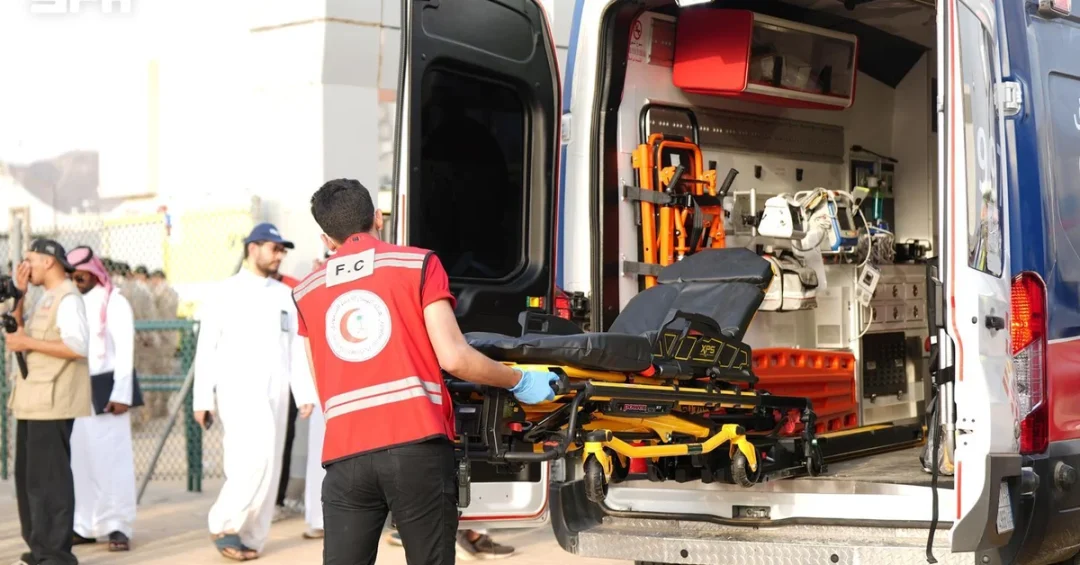
The Saudi Red Crescent Authority (SRCA) has reported a series of major institutional achievements in emergency medical services, volunteer engagement and international humanitarian work, according to its 2025 annual report released via the Saudi Press Agency. The Riyadh-based authority said the progress supports the goals of Saudi Vision 2030 and reflects a continuing drive to strengthen emergency response readiness at home and expand the Kingdom’s humanitarian presence abroad.
Context and Background
The Saudi Red Crescent Authority is the Kingdom’s primary provider of pre-hospital emergency medical care and one of its most visible humanitarian institutions. Its annual report for 2025, carried by the Saudi Press Agency, outlines accomplishments in governance, operations, quality management and volunteering. The authority said these gains have produced more efficient emergency medical services, improved readiness and a stronger Saudi role in international humanitarian forums, all in line with Vision 2030 objectives.
Emergency medical readiness carries particular significance in Saudi Arabia, which each year hosts millions of Umrah performers and Hajj pilgrims. The authority’s operational planning is therefore closely tied to the scale and complexity of the Kingdom’s religious tourism calendar, as well as to its wider commitment to public safety.
Key Details
According to the report, SRCA implemented an integrated operational plan during the 1447 AH Hajj season, focused on strengthening field deployment, enhancing the readiness of its ambulance fleet and activating response services at land, sea and air entry points. The authority also applied an on-site treatment model for cases that did not require hospitalization, helping ensure rapid response and continuity of medical services for pilgrims.
More than 31,000 frontline employees and paramedics took part in implementing the plan, including 6,846 direct staff members, supported by more than 2,300 male and female volunteers. SRCA operated 605 ambulances, more than 2,300 support vehicles, 27 specialized response vehicles and three air ambulances. Services were deployed across 133 ambulance centers, 71 staging points and 14 emergency centers. The authority also conducted 23 field exercises and 11 training programs to enhance the readiness of ambulance teams.
In the area of volunteering, SRCA recorded 15,502 male and female volunteers who contributed more than 326,000 volunteer hours. It carried out several community initiatives, including the Lifesaving Waiter initiative, which aims to improve food-service workers’ readiness to respond to choking incidents. In addition, 13 compliance certificates were granted to private training centers that met quality standards.
Internationally, SRCA strengthened its humanitarian presence by chairing the Disaster Management Advisory Group (DMAG) for 2024–2026 and hosting its steering committee meeting in Riyadh. It also represented Saudi Arabia at meetings of the International Red Cross and Red Crescent Movement, adopted a mechanism for seconding national personnel to international organizations, and signed several agreements and memorandums of understanding aimed at enhancing cooperation in emergency response, logistics and training.
In governance and quality, SRCA obtained six international certifications from the International Organization for Standardization (ISO), covering quality management, risk management, information security, IT service management, beneficiary complaints management, and occupational health and safety. The authority said the certifications reflect its commitment to applying international best practices, enhancing institutional performance and ensuring sustainable services.
Implications and Impact
The scale of the Hajj season operation underscores the authority’s capacity to coordinate thousands of personnel, hundreds of vehicles and multiple response centers within a compressed timeframe. The on-site treatment model is particularly notable because it allows medical teams to resolve cases that do not require hospitalization, preserving hospital capacity for more serious conditions and improving the overall patient experience.
The ISO certifications signal that SRCA is aligning its internal systems with globally recognized standards across quality, risk, information security and occupational safety. For partners and international organizations, such credentials provide assurance that the authority can operate effectively in complex, multi-agency environments.
SRCA’s chairmanship of the Disaster Management Advisory Group and its participation in International Red Cross and Red Crescent Movement meetings position the Kingdom as an active contributor to global humanitarian coordination. The mechanism for seconding national personnel to international organizations creates a structured pathway for Saudi expertise to be shared abroad, while the agreements and memorandums of understanding expand the authority’s network for cooperation in emergency response, logistics and training.
Vision 2030 Alignment
The authority affirmed that its achievements in governance, operations, quality and humanitarian work build on its efforts to develop emergency medical services, enhance the readiness of its personnel and expand strategic partnerships, ensuring the delivery of highly efficient services that contribute to saving lives and serving the community, Umrah performers and pilgrims.
These efforts align directly with Saudi Vision 2030, which emphasizes improved quality of life, stronger public services, volunteerism and the Kingdom’s growing role in international humanitarian affairs. By combining operational excellence at home with a more prominent presence abroad, SRCA is helping to demonstrate how Saudi institutions can meet global standards while serving the nation’s most demanding public health and safety requirements.
20 Questions
Q1. What did the Saudi Red Crescent Authority report in its 2025 annual report?
A1. The Saudi Red Crescent Authority reported major achievements in governance, institutional development, emergency medical services, volunteering and international humanitarian work. The authority said these accomplishments support the objectives of Saudi Vision 2030 and reflect its commitment to high-quality service.
Q2. How many frontline employees and paramedics took part in the 1447 AH Hajj season plan?
A2. More than 31,000 frontline employees and paramedics participated in implementing the plan, including 6,846 direct staff members, supported by more than 2,300 male and female volunteers. This reflects the large-scale coordination required for the Hajj season.
Q3. What was the purpose of the integrated operational plan during the 1447 AH Hajj season?
A3. The plan focused on strengthening field deployment, enhancing the readiness of the ambulance fleet and activating response services at land, sea and air entry points. It aimed to ensure rapid and continuous medical services for pilgrims throughout the season.
Q4. What is the on-site treatment model applied by SRCA?
A4. The on-site treatment model serves cases that do not require hospitalization, allowing rapid response and continuity of medical services for pilgrims. It helps reduce pressure on hospitals by treating minor conditions directly at the scene.
Q5. How many ambulances did SRCA operate during the Hajj season?
A5. SRCA operated 605 ambulances, more than 2,300 support vehicles, 27 specialized response vehicles and three air ambulances. These resources were deployed to ensure comprehensive emergency coverage across key locations and routes.
Q6. How many ambulance centers, staging points and emergency centers were used?
A6. Services were deployed across 133 ambulance centers, 71 staging points and 14 emergency centers. This network was designed to provide timely response and effective coverage during the Hajj season.
Q7. How many field exercises and training programs did SRCA conduct?
A7. SRCA conducted 23 field exercises and 11 training programs to enhance the readiness of ambulance teams. These activities help maintain high operational standards and prepare personnel for a range of emergency scenarios.
Q8. How many volunteers contributed to SRCA’s efforts in 2025?
A8. SRCA recorded 15,502 male and female volunteers who contributed more than 326,000 volunteer hours. Their participation reflects the growing culture of volunteerism in Saudi Arabia and supports Vision 2030 goals.
Q9. What is the Lifesaving Waiter initiative?
A9. The Lifesaving Waiter initiative aims to improve food-service workers’ readiness to respond to choking incidents. It is one of several community initiatives implemented by SRCA to enhance public safety and emergency awareness.
Q10. What compliance certificates were granted to private training centers?
A10. Thirteen compliance certificates were granted to private training centers that met quality standards. These certificates help ensure that training providers maintain consistent, high-quality instruction for emergency responders.
Q11. Which international group did SRCA chair for 2024–2026?
A11. SRCA chaired the Disaster Management Advisory Group (DMAG) for 2024–2026 and hosted its steering committee meeting in Riyadh. This role reflects the Kingdom’s growing influence in international humanitarian coordination.
Q12. Where did SRCA host the DMAG steering committee meeting?
A12. SRCA hosted the DMAG steering committee meeting in Riyadh. The gathering brought together international participants to discuss disaster management priorities and strengthen cooperation among member organizations.
Q13. How did SRCA represent Saudi Arabia internationally?
A13. SRCA represented Saudi Arabia at meetings of the International Red Cross and Red Crescent Movement. It also adopted a mechanism for seconding national personnel to international organizations and signed agreements to enhance cooperation.
Q14. What kind of agreements and memorandums did SRCA sign?
A14. SRCA signed several agreements and memorandums of understanding aimed at enhancing cooperation in emergency response, logistics and training. These partnerships expand the authority’s international network and support knowledge exchange.
Q15. How many ISO certifications did SRCA obtain and what do they cover?
A15. SRCA obtained six international certifications from the International Organization for Standardization, covering quality management, risk management, information security, IT service management, beneficiary complaints management, and occupational health and safety. They reflect a commitment to international best practices.
Q16. Why are the ISO certifications important for SRCA?
A16. The ISO certifications confirm that SRCA applies internationally recognized standards across key areas of its operations. They enhance institutional performance, build trust with partners and help ensure sustainable, high-quality services for beneficiaries.
Q17. How does SRCA’s work support Umrah performers and pilgrims?
A17. SRCA provides emergency medical services, rapid response and on-site treatment for Umrah performers and pilgrims. Its operational planning during Hajj and Umrah seasons is designed to ensure continuous medical care and safety for millions of visitors.
Q18. What role does volunteering play in SRCA’s strategy?
A18. Volunteering is a core part of SRCA’s strategy, with thousands of volunteers contributing hundreds of thousands of hours. It strengthens community engagement, expands response capacity and aligns with Vision 2030’s emphasis on civic participation.
Q19. How does SRCA’s work align with Saudi Vision 2030?
A19. SRCA’s achievements align with Vision 2030 by improving quality of life, strengthening public services, promoting volunteerism and expanding the Kingdom’s role in international humanitarian affairs. The authority’s progress supports broader national goals for excellence and global engagement.
Q20. What did SRCA affirm about its future direction?
A20. SRCA affirmed that its achievements build on efforts to
Reader Feedback
We value your thoughts. Please share your feedback on this article.
Your feedback helps us improve our coverage.