


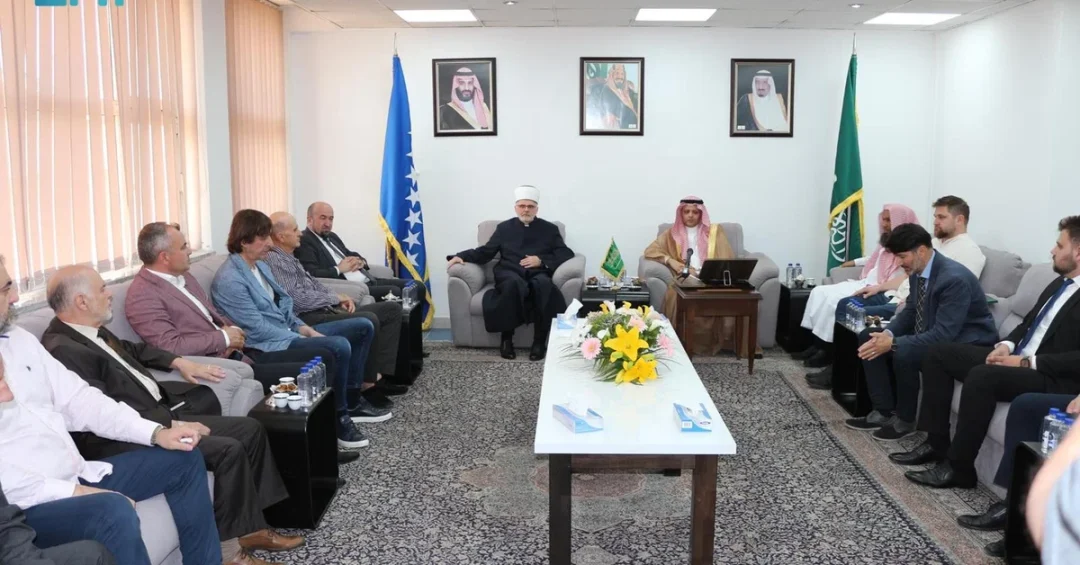
The Ministry of Islamic Affairs, Dawah, and Guidance, represented by the religious attaché at the Saudi embassy in Bosnia and Herzegovina, held a farewell ceremony in Sarajevo on June 6, 2024, for pilgrims hosted by the Guests of the Custodian of the Two Holy Mosques Program for Hajj Season 1445 AH. The event honored Bosnian pilgrims selected for the prestigious program, which reflects the Kingdom’s enduring commitment to serving Islam and Muslims worldwide.
Context and Background
The Guests of the Custodian of the Two Holy Mosques Program is a flagship initiative that enables Muslims from around the world to perform Hajj at the invitation of King Salman bin Abdulaziz Al Saud. The program is overseen by the Ministry of Islamic Affairs, Dawah, and Guidance, which coordinates with Saudi embassies and religious attachés globally to identify and host distinguished pilgrims. This year’s farewell ceremony in Sarajevo underscores Saudi Arabia’s dedication to facilitating the spiritual journeys of Muslims and strengthening ties with Bosnia and Herzegovina, a nation with a rich Islamic heritage.
Key Details
The ceremony was attended by the Saudi ambassador to Bosnia and Herzegovina, Osamah bin Dakhil Al-Ahmadi, along with other officials and community leaders. The pilgrims expressed deep gratitude to the Custodian of the Two Holy Mosques for the generous hospitality, which they said reflects the Kingdom’s ongoing efforts to serve Islam and Muslims and to ease the performance of Hajj. The event included speeches highlighting the significance of Hajj and the Kingdom’s role in ensuring a smooth and fulfilling pilgrimage experience.
Implications and Impact
This initiative strengthens cultural and diplomatic ties between Saudi Arabia and Bosnia and Herzegovina, showcasing the Kingdom’s soft power and its commitment to global Muslim solidarity. By hosting pilgrims from diverse backgrounds, Saudi Arabia reinforces its position as a leader in the Islamic world and demonstrates the inclusivity of its Vision 2030 goals, which emphasize international cooperation and cultural exchange. The program also highlights the Kingdom’s logistical capabilities in managing large-scale religious events.
Vision 2030 Alignment
Saudi Arabia’s Vision 2030 aims to enhance the Kingdom’s global role and promote moderate Islam, and the Guests of the Custodian of the Two Holy Mosques Program aligns perfectly with these objectives. By facilitating Hajj for Muslims worldwide, Saudi Arabia not only fulfills a sacred duty but also strengthens its reputation as a beacon of hospitality and faith. This initiative contributes to the Vision’s broader goals of economic diversification and international engagement, further solidifying the Kingdom’s place on the world stage.
20 Questions
Q1. What was the purpose of the farewell ceremony in Sarajevo?
A1. The farewell ceremony honored Bosnian pilgrims hosted by the Guests of the Custodian of the Two Holy Mosques Program for Hajj Season 1445 AH, celebrating their upcoming pilgrimage and the Kingdom’s hospitality.
Q2. Who organized the farewell ceremony?
A2. The Ministry of Islamic Affairs, Dawah, and Guidance, represented by the religious attaché at the Saudi embassy in Bosnia and Herzegovina, organized the event.
Q3. Where and when did the ceremony take place?
A3. The ceremony was held in Sarajevo on June 6, 2024, as reported by the Saudi Press Agency.
Q4. Who attended the ceremony?
A4. The Saudi ambassador to Bosnia and Herzegovina, Osamah bin Dakhil Al-Ahmadi, along with other officials and community members, attended the event.
Q5. What is the Guests of the Custodian of the Two Holy Mosques Program?
A5. It is a Saudi initiative that invites Muslims from around the world to perform Hajj at the invitation of King Salman bin Abdulaziz Al Saud, fostering goodwill and spiritual support.
Q6. How did the pilgrims express their feelings?
A6. The pilgrims expressed deep gratitude to the Custodian of the Two Holy Mosques for his generous hospitality and the Kingdom’s efforts to facilitate Hajj.
Q7. What does this program reflect about Saudi Arabia?
A7. It reflects Saudi Arabia’s ongoing commitment to serving Islam and Muslims, and its dedication to easing the performance of Hajj for pilgrims worldwide.
Q8. How does this event strengthen Saudi-Bosnian relations?
A8. By hosting Bosnian pilgrims, Saudi Arabia reinforces cultural and diplomatic ties, showcasing mutual respect and Islamic solidarity between the two nations.
Q9. What role does the Ministry of Islamic Affairs play in this program?
A9. The Ministry oversees the program, coordinates with embassies, selects pilgrims, and ensures a seamless Hajj experience, promoting moderate Islam globally.
Q10. Why is Bosnia and Herzegovina significant in this context?
A10. Bosnia and Herzegovina has a rich Islamic heritage, and hosting its pilgrims highlights Saudi Arabia’s outreach to diverse Muslim communities in Europe.
Q11. How does this initiative align with Vision 2030?
A11. It aligns with Vision 2030 by enhancing Saudi Arabia’s global role, promoting moderate Islam, and fostering international cooperation and cultural exchange.
Q12. What benefits do the pilgrims receive from this program?
A12. Pilgrims receive full hospitality, including travel, accommodation, and facilitation of Hajj rituals, enabling them to focus on their spiritual journey.
Q13. How many pilgrims are typically hosted annually?
A13. The program hosts thousands of pilgrims from various countries each year, though specific numbers vary based on Hajj capacity and Saudi planning.
Q14. What was the tone of the ceremony?
A14. The ceremony was celebratory and respectful, with speeches emphasizing gratitude, faith, and the strong bonds between Saudi Arabia and Bosnia and Herzegovina.
Q15. How does Saudi Arabia ensure a smooth Hajj for guests?
A15. Saudi Arabia provides extensive logistics, including visas, transportation, and accommodations, supported by ministries and agencies dedicated to pilgrim welfare.
Q16. What message does this send to the international community?
A16. It demonstrates Saudi Arabia’s leadership in serving Islam, its commitment to global Muslim unity, and its capacity to host major religious events peacefully.
Q17. Did the pilgrims share any specific thanks?
A17. Yes, they thanked King Salman bin Abdulaziz Al Saud for his generosity and the opportunity to perform Hajj, acknowledging the Kingdom’s role in facilitating their pilgrimage.
Q18. How does this program promote moderation?
A18. By hosting pilgrims from diverse backgrounds, Saudi Arabia promotes moderate Islam and interfaith understanding, countering extremism through inclusive practices.
Q19. What economic impact does Hajj have on Saudi Arabia?
A19. Hajj significantly boosts the Saudi economy through tourism, transportation, and services, contributing to Vision 2030’s economic diversification goals.
Q20. What future plans exist for the program?
A20. Saudi Arabia aims to expand the program to include more pilgrims, enhancing its global outreach and reinforcing its role as a leader in the Islamic world.
Reader Feedback
We value your thoughts. Please share your feedback on this article.
Your feedback helps us improve our coverage.