


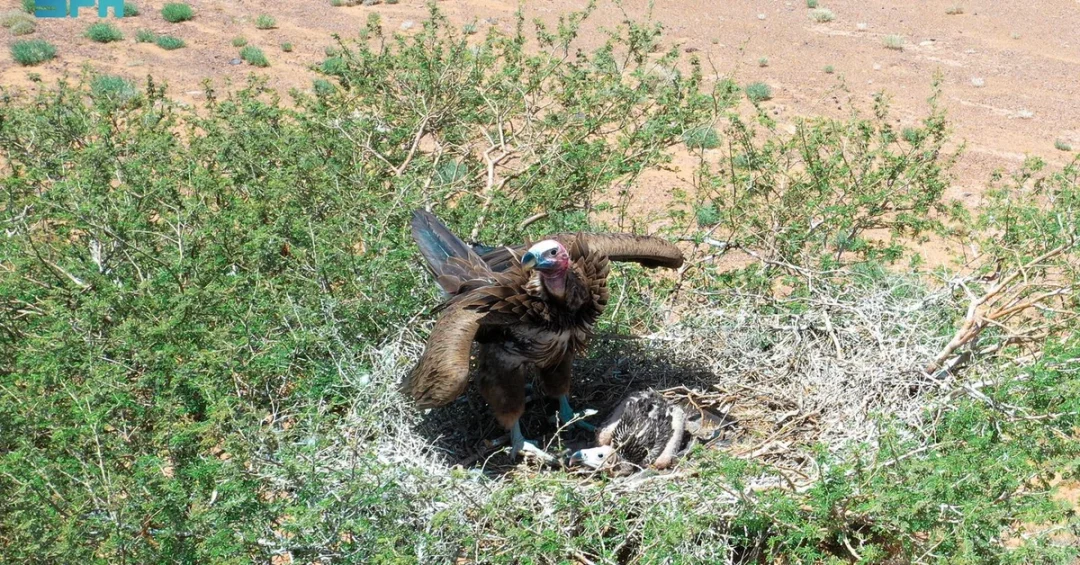
The King Salman bin Abdulaziz Royal Reserve Development Authority has announced its accreditation as the first major biodiversity site in Saudi Arabia, according to international standards. The Key Biodiversity Areas Organization (KBA) published the accreditation on its official website, confirming that the King Salman bin Abdulaziz Royal Natural Reserve (KSRNR) meets three global standards, including criteria related to endangered species and demographic concentrations of species. This landmark recognition underscores the Kingdom’s commitment to environmental stewardship and conservation.
Context and Background
The accreditation comes as part of Saudi Arabia’s broader efforts to preserve its natural heritage and promote sustainable development under Vision 2030. The KBA Organization observes, monitors, and preserves accredited global sites for their role in sustaining biological diversity. Sites are identified and designated as globally significant in preserving biological diversity according to rigorous international standards. The King Salman bin Abdulaziz Royal Reserve, covering 130,700 square kilometers, is the largest nature reserve in the Middle East, making this recognition particularly significant.
Key Details
The KSRNR was evaluated against three global standards: threatened species, geographically restricted species, and demographic concentrations of species. Meeting these criteria demonstrates the reserve’s vital role in protecting biodiversity. The authority’s announcement highlighted its steadfast commitment to protecting endangered species, developing natural habitats, enhancing environmental awareness in society, and reducing natural and human threats. This achievement reflects the successful implementation of conservation strategies in the region.
Implications and Impact
This accreditation positions Saudi Arabia as a leader in regional conservation efforts, aligning with international environmental standards. It enhances the Kingdom’s reputation in global biodiversity circles and opens doors for further collaboration with international organizations. The recognition also supports eco-tourism initiatives, as the reserve becomes a key destination for nature enthusiasts and researchers. By safeguarding these ecosystems, Saudi Arabia contributes to global biodiversity targets while fostering a culture of environmental responsibility among its citizens.
Vision 2030 Alignment
This milestone directly supports Saudi Arabia’s Vision 2030, which emphasizes environmental sustainability and the preservation of natural resources as pillars of economic diversification and quality of life. The accreditation of the King Salman bin Abdulaziz Royal Reserve as a key biodiversity site showcases the Kingdom’s dedication to balancing development with environmental conservation. As Saudi Arabia continues to implement its ambitious environmental programs, this achievement highlights the progress made in creating a sustainable future in line with the goals of Vision 2030.
20 Questions
Q1. What is the Key Biodiversity Areas Organization (KBA)?
A1. The KBA Organization is an international body that identifies, monitors, and preserves globally significant sites for biodiversity. It applies strict criteria to recognize areas that are crucial for the survival of species and ecosystems, ensuring their conservation on a global scale.
Q2. When was the accreditation announced?
A2. The accreditation was announced on May 22, 2024, by the King Salman bin Abdulaziz Royal Reserve Development Authority. The announcement was made public through the KBA Organization’s official website, confirming the reserve’s compliance with international biodiversity standards.
Q3. What does it mean to be a “major biodiversity site”?
A3. Being a major biodiversity site means the area is recognized internationally for its significant contribution to global biodiversity. It indicates that the site supports threatened species, unique habitats, or large concentrations of species, making its conservation a global priority.
Q4. What are the three global standards the reserve meets?
A4. The reserve meets three global standards: endangered species (threatened species), geographic restriction (species limited to a small area), and demographic concentration (species that gather in large numbers). Meeting these criteria demonstrates the reserve’s importance for species survival and ecological processes.
Q5. How large is the King Salman bin Abdulaziz Royal Reserve?
A5. The reserve covers a total area of 130,700 square kilometers, making it the largest nature reserve in the Middle East. Its vast size encompasses a variety of ecosystems, from mountains to coastal areas, providing critical habitat for diverse species.
Q6. Where is the King Salman bin Abdulaziz Royal Reserve located?
A6. The reserve is located in the Tabuk region of northwestern Saudi Arabia. This area is known for its unique desert and mountain landscapes, as well as its rich cultural heritage, which adds to the reserve’s significance.
Q7. What role does the reserve play in protecting endangered species?
A7. The reserve plays a vital role in protecting endangered species by providing a safe haven for them to breed and thrive. Its conservation programs focus on habitat restoration, anti-poaching measures, and scientific research, helping to recover populations of threatened wildlife.
Q8. How does this accreditation benefit Saudi Arabia?
A8. The accreditation enhances Saudi Arabia’s international standing in environmental conservation. It demonstrates the Kingdom’s commitment to preserving natural heritage, attracts global attention, and supports eco-tourism, contributing to economic diversification and environmental awareness.
Q9. What is Vision 2030 and how does it relate to this accreditation?
A9. Vision 2030 is Saudi Arabia’s national transformation plan aimed at diversifying the economy and improving quality of life. Environmental sustainability is a core component, and this accreditation aligns with Vision 2030 by promoting conservation and sustainable use of natural resources.
Q10. What kind of species can be found in the reserve?
A10. The reserve is home to a variety of species, including Arabian leopards, ibex, and various bird species. These include both resident and migratory species, making the reserve a crucial stopover point for international birds.
Q11. How does the reserve contribute to eco-tourism?
A11. The reserve offers unique opportunities for eco-tourism, allowing visitors to experience untouched nature and observe wildlife in their natural habitat. This supports local economies and raises awareness about conservation, aligning with global trends in sustainable travel.
Q12. What are the main threats to biodiversity in the reserve?
A12. Potential threats include habitat degradation, illegal hunting, and climate change. The authority actively works to reduce these threats through monitoring, law enforcement, and community engagement, ensuring the reserve’s long-term health.
Q13. How was the accreditation process conducted?
A13. The accreditation process involved a thorough evaluation by the KBA Organization, which assesses sites against measurable criteria related to species and habitats. Data on species occurrence and ecological importance were submitted and reviewed before the reserve was officially recognized.
Q14. What does the future hold for the reserve?
A14. The authority aims to continue its conservation efforts, expand research, and enhance public engagement. With the accreditation, the reserve is poised to become a model for sustainable conservation in the region, with plans to improve infrastructure and visitor facilities.
Q15. How can the public get involved in supporting the reserve?
A15. The public can support the reserve by participating in volunteer programs, adhering to park regulations, and spreading awareness about its importance. Educational initiatives and nature-focused events provide opportunities for community involvement in conservation.
Q16. What other biodiversity sites exist in Saudi Arabia?
A16. Saudi Arabia has several other protected areas, such as the Ibex Reserve and the Uruq Bani Ma’arid Reserve. These sites are part of a national network designed to conserve ecosystems and species, and this accreditation sets a precedent for others.
Q17. How does the accreditation align with international environmental agreements?
A17. The accreditation aligns with international commitments like the Convention on Biological Diversity (CBD). By protecting key biodiversity areas, Saudi Arabia contributes to global targets for biodiversity conservation and sustainable development.
Q18. What are the implications for local communities around the reserve?
A18. Local communities can benefit from increased eco-tourism, creating job opportunities and economic growth. The reserve also provides ecosystem services that support agriculture and water resources, improving livelihoods and sustaining traditional ways of life.
Q19. What are some unique features of the reserve’s ecosystem?
A19. The reserve’s ecosystem includes diverse habitats such as desert plains, rugged mountains, and coastal areas along the Red Sea. This variety supports high species diversity and ecological resilience, making it a priority for conservation.
Q20. Where can readers find more information about the reserve?
A20. For more information, visit the official website of the King Salman bin Abdulaziz Royal Reserve Development Authority. They provide updates on conservation programs, research activities, and opportunities for collaboration and visits.
Reader Feedback
We value your thoughts. Please share your feedback on this article.
Your feedback helps us improve our coverage.