


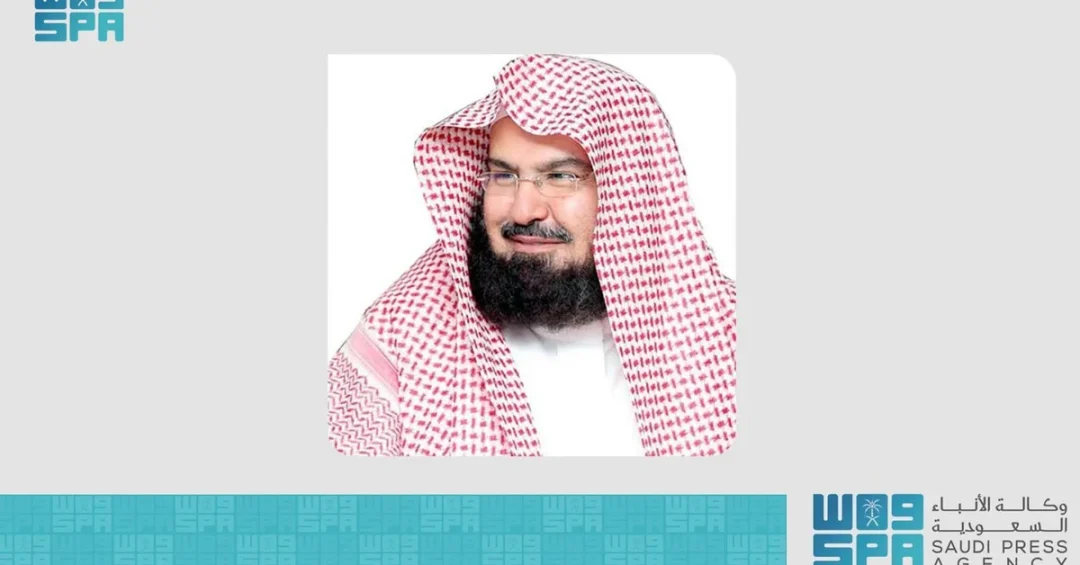
Sheikh Dr. Abdulrahman Al-Sudais, President of the Religious Affairs of the Grand Mosque and the Prophet’s Mosque, has expressed his gratitude for a royal directive to shorten the Friday prayer sermon at the Two Holy Mosques to approximately 15 minutes and to delay the first call to prayer, creating a 10-minute gap between the two calls. The directive, issued by the Custodian of the Two Holy Mosques King Salman bin Abdulaziz Al Saud and supported by His Royal Highness the Crown Prince, took effect from Friday, 12/15/1445 AH (June 21, 2024), and will remain in place until the end of the summer season.
Context and Background
The Two Holy Mosques in Makkah and Madinah host millions of worshippers annually, with numbers surging during the summer months when pilgrims from around the world perform Umrah and other rituals. The Kingdom of Saudi Arabia has consistently prioritized the comfort and safety of visitors, particularly the elderly and infirm, who may be vulnerable to the intense heat. This latest directive builds on a series of measures aimed at facilitating religious observances and reflects the leadership’s unwavering commitment to serving the Guests of God.
Key Details
Sheikh Dr. Al-Sudais emphasized that the royal directive demonstrates the sincere concern of King Salman and the Crown Prince for the well-being of pilgrims and worshippers. By reducing the Friday sermon to around 15 minutes and introducing a 10-minute interval between the first and second calls to prayer, the adjustment aims to alleviate discomfort caused by high temperatures and to streamline the performance of rituals. The President of the Religious Affairs noted that the decision is especially beneficial for the large crowds, including the elderly and weak, who frequent the Grand Mosque under challenging weather conditions. He praised the Kingdom’s dedication to safeguarding humanity and protecting individuals from harm.
Implications and Impact
This measure is expected to significantly enhance the experience of worshippers at the Two Holy Mosques during the summer season. Shorter sermons reduce the time spent in crowded, hot conditions, while the staggered calls to prayer allow for a more orderly and comfortable arrival and departure of congregants. The directive underscores Saudi Arabia’s proactive approach to crowd management and pilgrims’ welfare, which has been a hallmark of its custodianship of the holy sites. Internationally, it reinforces the Kingdom’s image as a compassionate and efficient steward of Islam’s most sacred places, aligning with its broader efforts to improve services for the millions of Muslims who visit each year.
Vision 2030 Alignment
This initiative is part of Saudi Arabia’s Vision 2030, which seeks to enhance the quality of life for all, including pilgrims and visitors. By prioritizing the comfort and safety of worshippers, the Kingdom demonstrates its commitment to modernizing services and infrastructure around the Two Holy Mosques while preserving their spiritual sanctity. Such measures contribute to the broader goals of increasing Umrah and Hajj capacity, improving the pilgrim experience, and showcasing Saudi Arabia’s leadership in serving Islam and Muslims worldwide. As the summer season progresses, this directive will continue to facilitate religious observances, reflecting the Kingdom’s enduring dedication to the welfare of all who visit the holy sites.
20 Questions
Q1. What is the royal directive regarding the Friday prayer sermon at the Two Holy Mosques?
A1. The royal directive shortens the Friday prayer sermon at the Two Holy Mosques to approximately 15 minutes and delays the first call to prayer to create a 10-minute gap between the two calls.
Q2. Who issued this directive?
A2. The directive was issued by the Custodian of the Two Holy Mosques, King Salman bin Abdulaziz Al Saud, with the support of His Royal Highness the Crown Prince.
Q3. When did the new measure take effect?
A3. The measure took effect from Friday, 12/15/1445 AH, corresponding to June 21, 2024, and will continue until the end of the summer season.
Q4. Who expressed gratitude for this directive?
A4. Sheikh Dr. Abdulrahman Al-Sudais, President of the Religious Affairs of the Grand Mosque and the Prophet’s Mosque, expressed his gratitude for the royal directive.
Q5. What is the purpose of shortening the Friday sermon?
A5. The purpose is to alleviate discomfort caused by high temperatures and to facilitate the performance of rituals for the visitors to the Two Holy Mosques, especially the elderly and weak.
Q6. How long will the shortened sermon last?
A6. The Friday sermon will last for approximately 15 minutes, significantly reducing the time worshippers spend in the heat.
Q7. What is the gap between the two calls to prayer?
A7. The directive creates a 10-minute gap between the first and second calls to prayer, allowing for a more orderly gathering of worshippers.
Q8. Which mosques are affected by this directive?
A8. The directive applies to the Two Holy Mosques: the Grand Mosque in Makkah and the Prophet’s Mosque in Madinah.
Q9. Why is this measure particularly important during the summer?
A9. Summer temperatures in Saudi Arabia can be extremely high, posing health risks to worshippers, especially the elderly. The shortened sermon and delayed call reduce exposure to heat.
Q10. How does this reflect the leadership’s concern for pilgrims?
A10. It demonstrates the leadership’s sincere concern for the well-being, comfort, and safety of pilgrims and visitors, ensuring they can perform their rituals with ease.
Q11. What did Sheikh Dr. Al-Sudais say about the government’s commitment?
A11. He stated that the directive shows the government’s commitment to ensuring the ease of performing rituals for pilgrims and visitors, particularly given the large crowds and challenging weather conditions.
Q12. Does this directive apply to all prayers or only Friday prayers?
A12. The directive specifically concerns the Friday prayer sermon and the timing of the calls to prayer for Friday prayers at the Two Holy Mosques.
Q13. How does this measure align with Vision 2030?
A13. It aligns with Vision 2030’s goal to enhance the quality of life and improve services for pilgrims, reflecting the Kingdom’s commitment to modernizing while preserving spiritual sanctity.
Q14. Will the directive be permanent?
A14. No, the directive is temporary and will continue until the end of the summer season, after which it may be reviewed.
Q15. What impact does this have on the elderly and weak?
A15. It significantly reduces their time in crowded, hot conditions, making it easier for them to participate in Friday prayers comfortably and safely.
Q16. How does this affect the overall pilgrim experience?
A16. It enhances the pilgrim experience by making rituals more manageable and comfortable, especially during the hot summer months, reflecting the Kingdom’s care for worshippers.
Q17. Are there any other measures in place to help pilgrims during summer?
A17. The Saudi government continuously implements various measures, such as cooling systems, water distribution, and medical services, to ensure pilgrims’ comfort and safety.
Q18. What was the date of the first Friday sermon under this directive?
A18. The first Friday sermon under this directive was on Friday, 12/15/1445 AH, which corresponds to June 21, 2024.
Q19. How does this reflect Saudi Arabia’s role as custodian of the Two Holy Mosques?
A19. It exemplifies Saudi Arabia’s dedication to serving Islam’s holiest sites and ensuring the welfare of pilgrims, reinforcing its role as a compassionate and responsible custodian.
Q20. What is the expected outcome of this directive?
A20. The expected outcome is a smoother, more comfortable Friday prayer experience for worshippers, particularly during the summer, demonstrating the Kingdom’s proactive approach to pilgrim care.
Reader Feedback
We value your thoughts. Please share your feedback on this article.
Your feedback helps us improve our coverage.