


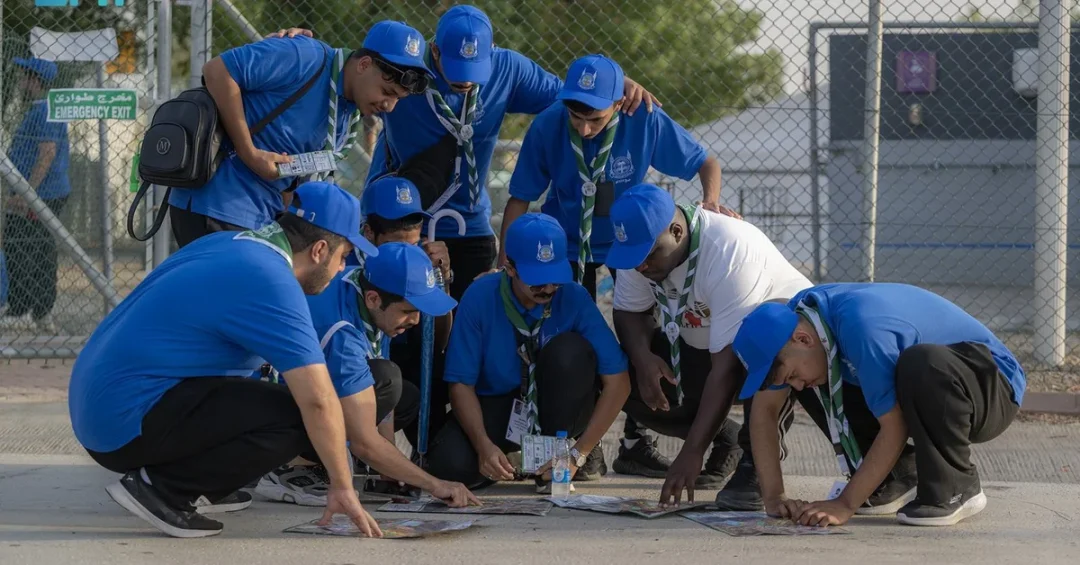
The Saudi Arabian Scouts Association is deploying more than 4,200 volunteers across ten camps in the holy sites, using advanced digital mapping and round-the-clock guidance services to assist lost pilgrims during the Hajj season. The initiative, announced by the Saudi Press Agency (SPA), reflects the Kingdom’s commitment to leveraging technology and volunteer professionalism to ensure the safety and comfort of millions of pilgrims performing Hajj.
Context and Background
For years, the Saudi Arabian Scouts Association has played a vital role in supporting Hajj operations, collaborating with various government entities to provide humanitarian services. This year, the association has transitioned from amateurism to professionalism, harnessing guidance technologies and intensive field training to enhance its capabilities. The move aligns with Saudi Arabia’s broader efforts to modernize pilgrimage services under Vision 2030, which emphasizes innovation, volunteerism, and world-class service delivery.
The Scouts Association operates stationary centres and roaming guides across the holy sites, ensuring that lost pilgrims receive immediate assistance. The integration with governmental bodies underscores the comprehensive approach Saudi Arabia takes to manage the annual pilgrimage, one of the largest mass gatherings in the world.
Key Details
According to Sayyad Al-Wadaei, Assistant Leader of the Arafat Camp for Surveying and Guidance, the camps have undergone 12 days of preparation focused on map training, review, and verification to guarantee precise service delivery. Volunteers utilize over one million navigational maps in various sizes, available electronically for download on smart devices. Scouts and mobile teams conduct early mapping training to facilitate easy guidance for lost pilgrims.
The association also provides electronic guidance programs for smartphones through its official website, and offers roaming guidance services by retrieving information from pilgrims’ bracelets. Lost children are assisted by posting their pictures on the association’s website, enabling swift reunification with their families. These services operate around the clock, supporting hospitalized patients, older individuals, and others in need.
International Impact
The Saudi Scouts’ efforts have significant international implications, as pilgrims from over 180 countries participate in Hajj. By ensuring that lost pilgrims are quickly and efficiently guided, Saudi Arabia demonstrates its capacity to manage large-scale events with precision and compassion. This enhances the Kingdom’s reputation as a reliable and welcoming host, reinforcing its role as the global leader in pilgrimage services.
Moreover, the use of digital systems showcases Saudi Arabia’s technological advancement, setting a benchmark for other nations managing mass gatherings. The volunteer model, combining professionalism with humanitarian service, serves as an inspiring example of how youth can contribute to national priorities.
Vision 2030 Alignment
This initiative directly supports Vision 2030, Saudi Arabia’s strategic framework to diversify the economy and enhance quality of life. By empowering young volunteers and integrating smart technologies, the Kingdom not only improves pilgrimage experiences but also invests in human capital development. The Scouts Association’s work exemplifies the vision’s emphasis on volunteerism, innovation, and exceptional service to guests of God, further solidifying Saudi Arabia’s global leadership in hospitality and event management.
20 Questions
Q1. What is the main role of the Saudi Arabian Scouts Association during Hajj?
A1. The Saudi Arabian Scouts Association provides volunteer, humanitarian, and guidance services to lost pilgrims through stationary centres and roaming guides around the clock in the holy sites, collaborating with government entities to ensure pilgrim safety and comfort.
Q2. How many volunteers are involved in this year’s Hajj operations?
A2. Approximately 4,200 volunteers are deployed across ten camps, all trained to assist lost pilgrims using advanced digital tools and intensive field training, reflecting the association’s shift from amateurism to professionalism.
Q3. What technological tools do the scouts use to guide lost pilgrims?
A3. Scouts use over a million navigational maps available electronically for download on smart devices, along with electronic guidance programs on smartphones and information retrieved from pilgrims’ bracelets to provide precise assistance.
Q4. Who is Sayyad Al-Wadaei and what did he say about the camps?
A4. Sayyad Al-Wadaei is the Assistant Leader of the Arafat Camp for Surveying and Guidance. He stated that camps prepared for 12 days, focusing on map training and verification to ensure high-quality service to lost pilgrims.
Q5. How do scouts assist lost children during Hajj?
A5. Scouts post pictures of lost children on the association’s official website, enabling families and authorities to identify and reunite them quickly, complementing other guidance services provided around the clock.
Q6. What is the significance of the 12-day preparation period?
A6. The 12-day preparation period allows scouts to undergo intensive map training, review, and verification, ensuring they are fully equipped to deliver precise and efficient guidance services to the millions of pilgrims.
Q7. How does this initiative align with Vision 2030?
A7. It aligns with Vision 2030 by promoting volunteerism, leveraging technology, and enhancing the quality of pilgrimage services, which supports economic diversification and human capital development in Saudi Arabia.
Q8. What types of pilgrims receive assistance from the scouts?
A8. Scouts assist all pilgrims, with special attention to hospitalized patients, older individuals, lost children, and anyone in need of guidance or support during the Hajj rituals in the holy sites.
Q9. Where are the scouts stationed during Hajj?
A9. Scouts operate from ten camps across the holy sites, including stationary centres and mobile teams that roam the areas to provide immediate assistance to lost pilgrims around the clock.
Q10. How do pilgrims access the electronic guidance programs?
A10. Pilgrims can access electronic guidance programs through the Saudi Arabian Scouts Association’s official website, which offers downloadable maps and tools for smartphones to help navigate the holy sites.
Q11. What is the role of government entities in this initiative?
A11. Government entities collaborate and integrate with the Scouts Association to ensure seamless service delivery, providing support in logistics, security, and coordination to enhance the overall pilgrimage experience for all guests.
Q12. How does the use of digital maps improve pilgrimage experiences?
A12. Digital maps available on smart devices allow pilgrims to navigate independently and enable scouts to guide them accurately, reducing confusion and ensuring timely assistance, especially during peak times in the holy sites.
Q13. What training do scouts receive before Hajj?
A13. Scouts undergo intensive field training that includes early mapping, review, and verification exercises, ensuring they are proficient in using guidance technologies and can respond effectively to lost pilgrims’ needs.
Q14. How does the bracelet information system work?
A14. Pilgrims wear bracelets containing identification data. Scouts retrieve this information to reunite lost pilgrims with their groups or families, streamlining the assistance process and enhancing safety.
Q15. What is the philosophy behind the scouts’ shift to professionalism?
A15. The shift reflects a commitment to excellence and efficiency, ensuring that volunteer services are delivered with high standards, leveraging technology and training to meet the demands of millions of pilgrims.
Q16. How does this initiative impact Saudi youth?
A16. It empowers Saudi youth by providing opportunities to serve their country, develop skills, and contribute to national priorities, fostering a spirit of volunteerism and civic responsibility aligned with Vision 2030.
Q17. What international recognition does Saudi Arabia gain from such services?
A17. Saudi Arabia is recognized globally for its exceptional management of Hajj, demonstrating organizational prowess, technological innovation, and compassionate service, which enhances its standing as a leader in pilgrimage management.
Q18. Are there any other services provided by the scouts besides guiding lost pilgrims?
A18. Yes, scouts also assist hospitalized patients, older individuals, and others in need, providing support, direction, and humanitarian aid to ensure the well-being of all pilgrims throughout their journey.
Q19. How does the association measure the success of its services?
A19. Success is measured by the timely and efficient reunification of lost pilgrims with their families, positive feedback from pilgrims, and the seamless operation of guidance services, reflecting the high quality of volunteer efforts.
Q20. What message does this initiative send to the world?
A20. It conveys Saudi Arabia’s dedication to serving pilgrims with cutting-edge technology and heartfelt hospitality, showcasing the Kingdom’s capability to host millions safely and its commitment to Vision 2030 goals.
Reader Feedback
We value your thoughts. Please share your feedback on this article.
Your feedback helps us improve our coverage.