


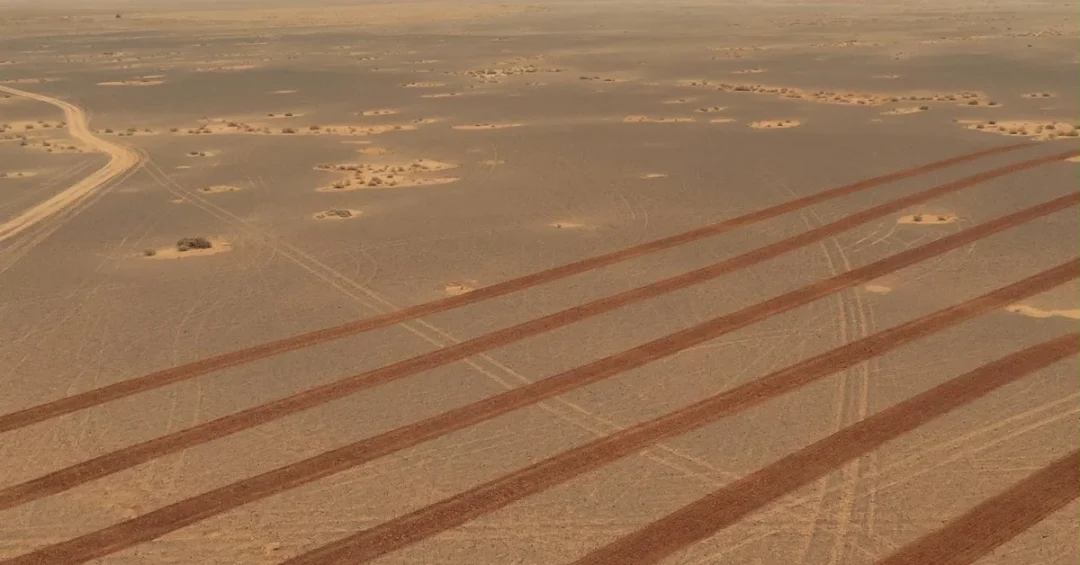
Saudi Arabia’s National Center for Vegetation Cover Development and Combating Desertification has collected more than 95 tons of native wild seeds and earned a Guinness World Record for the world’s largest sustainable desert plant plantation at Al-Tamariyat Station, as part of a landmark initiative to restore rangelands across the Kingdom. The initiative, launched in October 2024 under the Ministry of Environment, Water and Agriculture, relies on dispersing native seeds before the rainy season to revive vegetation cover, combat desertification, and enhance environmental resilience. How does a nation transform its arid landscapes into thriving ecosystems while setting global benchmarks? This question lies at the heart of Saudi Arabia’s ambitious environmental strategy, which is already yielding tangible results and international recognition.
The NCVC’s seed-dispersal initiative represents a critical component of the Kingdom’s broader efforts to combat land degradation and achieve the objectives of the Saudi Green Initiative. By systematically collecting, processing, and dispersing native plant seeds, the program addresses the urgent need to restore rangelands that have lost their natural regeneration capacity. The recognition by Guinness World Records underscores the scale and sustainability of these efforts, positioning Saudi Arabia as a global leader in desertification control and ecological restoration. As the Kingdom continues to implement Vision 2030, such initiatives demonstrate how environmental stewardship can go hand in hand with economic development and international cooperation.
Context and Background
Why has Saudi Arabia prioritized the restoration of its rangelands on such a massive scale? The answer lies in the Kingdom’s unique environmental challenges and its commitment to sustainable development. Rangelands cover a significant portion of Saudi Arabia’s territory, but decades of overgrazing, climate variability, and land degradation have diminished their productivity. The National Center for Vegetation Cover Development and Combating Desertification (NCVC), affiliated with the Ministry of Environment, Water and Agriculture, was established to reverse these trends. In October 2024, the NCVC launched a comprehensive seed-dispersal initiative aimed at restoring vegetation cover in degraded rangelands. This initiative is not merely an environmental project; it is a strategic investment in the Kingdom’s ecological and economic future.
The collection of over 95 tons of wild seeds from various regions across Saudi Arabia marks a significant milestone. These seeds, native to the Kingdom’s diverse ecosystems, are carefully selected to ensure they are suited to local conditions. The initiative’s approach involves several stages: selecting target sites, providing high-quality native seeds, preparing the soil, dispersing the seeds, and then monitoring germination and seedling growth. Continuous evaluation allows the NCVC to measure the success of the intervention and adapt its strategies. This scientific, methodical approach is essential for ensuring the long-term sustainability of vegetation restoration efforts. The recognition by Guinness World Records for Al-Tamariyat Station as the world’s largest sustainable desert plant plantation highlights the scale and impact of these activities, setting a new global standard for desert greening.
Seed dispersal is particularly crucial when rangelands lose their capacity for natural regeneration. In such cases, human intervention becomes necessary to reintroduce perennial species that are adapted to the local environment. These perennials complement the seasonal role played by annual plants, providing year-round ground cover that stabilizes soil and supports wildlife. The NCVC’s initiative aims to promote the return of these perennial species, thereby restoring the ecological balance of rangelands. By focusing on native species, the program also preserves the Kingdom’s botanical heritage and ensures that restored ecosystems are resilient to future environmental changes. This forward-looking strategy aligns with Saudi Arabia’s commitments under the United Nations Convention to Combat Desertification and contributes to global efforts to achieve land degradation neutrality.
Key Details of the Seed-Dispersal Initiative
What exactly does the seed-dispersal initiative entail, and how does it achieve its objectives? The process begins with the careful selection of target sites based on ecological assessments. These sites are typically areas where rangelands have been severely degraded and require intervention to recover. The NCVC then collects seeds from native plant species, ensuring genetic diversity and adaptation to local conditions. More than 95 tons of seeds have been collected from various regions, reflecting the vast scale of the operation. Once seeds are collected, they are processed and stored under controlled conditions to maintain viability. Before the rainy season, teams disperse the seeds across the target sites using methods that maximize germination rates. This timing is critical, as the seeds rely on natural rainfall to initiate growth.
Following dispersal, the NCVC implements a rigorous monitoring program to track germination and seedling growth. This involves field surveys, remote sensing, and data analysis to evaluate the success of the intervention. If necessary, additional measures such as protecting sites from grazing and regulating livestock access are implemented to ensure seedlings can establish themselves. The initiative also includes continuous evaluation to measure results and verify the sustainability of vegetation cover restoration. This adaptive management approach allows the NCVC to learn from each phase and improve future interventions. The inclusion of local communities in monitoring and protection activities further enhances the program’s effectiveness, as it fosters a sense of ownership and responsibility among stakeholders.
The environmental and economic benefits of the initiative are manifold. By stabilizing soil, the program reduces erosion and dust storms, which have significant health and economic impacts. Improved rainwater infiltration enhances groundwater recharge, supporting agriculture and water security. Restored vegetation provides habitat for wildlife, contributing to biodiversity conservation. Additionally, the initiative promotes sustainable fodder production for livestock, supporting rural livelihoods. Bee-forage rangelands are also restored, benefiting beekeeping and honey production, which are important cultural and economic activities in Saudi Arabia. These benefits collectively enhance the quality of life in rural areas, aligning with the Kingdom’s goals of balanced regional development and improved living standards. The initiative thus represents a holistic approach that integrates environmental, economic, and social dimensions.
International and Regional Impact
How does Saudi Arabia’s seed-dispersal initiative resonate beyond its borders? The Kingdom’s efforts to combat desertification and restore degraded lands have significant implications for the region and the world. Desertification is a global challenge, affecting over 100 countries and threatening the livelihoods of millions. By demonstrating large-scale, successful restoration, Saudi Arabia sets an example for other arid nations. The NCVC’s achievement in earning a Guinness World Record for Al-Tamariyat Station as the world’s largest sustainable desert plant plantation showcases the Kingdom’s leadership in environmental innovation. This recognition not only highlights the scale of the project but also underscores the sustainability of the methods used, which can be replicated in similar ecosystems globally.
Regionally, the initiative contributes to the Middle East Green Initiative, a Saudi-led effort to plant 50 billion trees across the region. The seed-dispersal program supports this broader goal by providing a proven model for rangeland restoration. Moreover, the initiative aligns with the United Nations Convention to Combat Desertification (UNCCD), which Saudi Arabia has actively supported, including hosting the COP16 conference in Riyadh in 2024. Through such engagements, the Kingdom reinforces its role as a global environmental leader and a reliable partner in international efforts to achieve land degradation neutrality. The sharing of knowledge and best practices through these platforms amplifies the impact of Saudi Arabia’s domestic initiatives, fostering South-South cooperation and capacity building.
Furthermore, the initiative’s success contributes to Saudi Arabia’s diplomatic and soft power objectives. By addressing environmental challenges, the Kingdom enhances its image as a responsible global citizen and a champion of sustainable development. This is particularly important as the world grapples with climate change and biodiversity loss. Saudi Arabia’s proactive stance demonstrates that economic development and environmental protection can be mutually reinforcing, a message that resonates with both developed and developing nations. The NCVC’s work thus serves as a testament to the Kingdom’s commitment to international environmental agreements and its willingness to take concrete action to fulfill them.
Economic and Strategic Significance
What are the economic and strategic benefits of restoring rangelands in Saudi Arabia? Beyond the immediate environmental gains, the initiative delivers substantial economic returns. Healthy rangelands support livestock production, which is a vital sector in rural economies. By improving fodder availability, the program reduces the need for expensive feed imports and enhances food security. The restoration of bee-forage rangelands boosts honey production, creating income opportunities for beekeepers and supporting local businesses. Additionally, the reduction of dust storms lowers healthcare costs and improves productivity by mitigating respiratory illnesses. These economic benefits are particularly important as Saudi Arabia diversifies its economy under Vision 2030, seeking to reduce dependence on oil revenues.
Strategically, the initiative enhances the Kingdom’s resilience to climate change and environmental shocks. Restored vegetation improves soil health, water retention, and carbon sequestration, contributing to climate mitigation and adaptation. This is crucial for a country that faces extreme heat and water scarcity. By investing in natural infrastructure, Saudi Arabia reduces its vulnerability and creates a more sustainable future. The initiative also supports the goals of the Saudi Green Initiative, which aims to plant 10 billion trees and restore 40 million hectares of degraded land. These targets are not only environmental but also economic, as they stimulate green jobs, innovation, and investment in sustainable technologies. The seed-dispersal program thus exemplifies how environmental restoration can drive economic diversification and create new opportunities.
Moreover, the initiative strengthens Saudi Arabia’s position in global markets for sustainable products and services. As demand for eco-friendly goods and services grows, the Kingdom can leverage its expertise in desert restoration to export knowledge and technology. This aligns with Vision 2030’s emphasis on non-oil exports and knowledge-based industries. The NCVC’s collaboration with international research institutions and private sector partners further enhances the potential for innovation and commercialization. By integrating environmental restoration with economic development, Saudi Arabia is paving the way for a green economy that benefits both its people and the planet.
Vision 2030 Alignment
How does the seed-dispersal initiative contribute to Saudi Arabia’s Vision 2030? Vision 2030 is a comprehensive plan to diversify the economy, improve quality of life, and position the Kingdom as a global leader. Environmental sustainability is a core pillar of this vision, recognizing that long-term prosperity depends on healthy ecosystems. The NCVC’s initiative directly supports several Vision 2030 objectives, including the Saudi Green Initiative, which aims to combat climate change and protect the environment. By restoring rangelands, the program enhances food security, creates rural employment, and improves public health, all of which are key Vision 2030 goals. It also promotes sustainable development, ensuring that natural resources are available for future generations.
Furthermore, the initiative exemplifies the Kingdom’s commitment to international cooperation and environmental stewardship. Through its participation in global conventions and its leadership in regional green initiatives, Saudi Arabia is building partnerships that advance shared goals. The Guinness World Record for Al-Tamariyat Station serves as a powerful symbol of what can be achieved when vision, resources, and determination converge. As the Kingdom continues to implement Vision 2030, the seed-dispersal initiative will remain a cornerstone of its environmental strategy, demonstrating that economic growth and ecological restoration can go hand in hand. This forward-looking approach not only benefits Saudi Arabia but also contributes to a more sustainable and prosperous world, reinforcing the Kingdom’s role as a responsible global leader.
In conclusion, the seed-dispersal initiative led by the National Center for Vegetation Cover Development and Combating Desertification is a transformative program that is reviving landscapes, empowering communities, and setting global benchmarks. Through the collection of over 95 tons of native seeds and the establishment of the world’s largest sustainable desert plant plantation, Saudi Arabia is proving that desertification can be reversed. As the Kingdom looks to the future, such initiatives will be instrumental in achieving the ambitious goals of Vision 2030 and the Saudi Green Initiative, ensuring a greener, more resilient, and prosperous nation for generations to come.
20 Questions
Q1. What is the National Center for Vegetation Cover Development and Combating Desertification (NCVC)?
A1. The NCVC is a Saudi government agency affiliated with the Ministry of Environment, Water and Agriculture. It is responsible for developing vegetation cover, combating desertification, and restoring degraded lands across the Kingdom.
Q2. When was the seed-dispersal initiative launched?
A2. The initiative was launched in October 2024 by the NCVC. It aims to restore vegetation cover in rangelands by dispersing native seeds before the rainy season.
Q3. How many tons of wild seeds were collected?
A3. The NCVC collected more than 95 tons of wild seeds from various regions across Saudi Arabia. These seeds are native species suited to local environments.
Q4. What Guinness World Record did Saudi Arabia achieve?
A4. Al-Tamariyat Station was recognized by Guinness World Records as the world’s largest sustainable desert plant plantation. This highlights the scale of Saudi Arabia’s restoration efforts.
Q5. Why is seed dispersal important for rangelands?
A5. Seed dispersal is crucial when rangelands lose their natural regeneration capacity. It reintroduces perennial species that stabilize soil, support wildlife, and restore ecosystem functions.
Q6. What are the main steps of the initiative?
A6. The initiative begins with selecting target sites and providing native seeds, followed by soil preparation and dispersal. It continues with monitoring germination, seedling growth, and evaluating results.
Q7. What environmental benefits does the initiative provide?
A7. It stabilizes soil, reduces erosion and dust storms, improves rainwater infiltration, restores wildlife habitats, and promotes sustainable fodder production. It also enhances bee-forage rangelands.
Q8. How does the initiative support rural communities?
A8. By restoring rangelands, it boosts sustainable fodder production and bee-forage, creating income opportunities. It also improves quality of life by reducing dust and enhancing local environments.
Q9. What is the Saudi Green Initiative?
A9. The Saudi Green Initiative is a national effort to combat climate change, reduce emissions, and restore ecosystems. It aims to plant 10 billion trees and protect 30% of Saudi land and sea.
Q10. How does the initiative align with the United Nations Convention to Combat Desertification?
A10. The initiative supports Saudi Arabia’s commitments under the UNCCD to achieve land degradation neutrality. It contributes to global efforts to combat desertification and restore degraded lands.
Q11. What measures are taken to protect seedlings?
A11. The NCVC protects target sites and regulates grazing during the seedling growth stage. Continuous monitoring ensures that restoration efforts are successful and sustainable.
Q12. How does the initiative contribute to Vision 2030?
A12. It supports Vision 2030 by enhancing environmental sustainability, food security, and rural development. It also promotes economic diversification through green jobs and innovation.
Q13. What is the role of native seeds in the initiative?
A13. Native seeds are adapted to local conditions and ensure the restoration of perennial species. They help maintain biodiversity and ecosystem resilience.
Q14. How does the initiative reduce dust storms?
A14. By restoring vegetation cover, the initiative stabilizes soil and reduces wind erosion, which are key factors in dust storm formation. This improves air quality and public health.
Q15. What economic benefits does the initiative offer?
A15. It supports livestock production through improved fodder, boosts honey production via bee-forage, and reduces healthcare costs from dust-related illnesses. It also creates green jobs.
Q16. How is the success of the initiative measured?
A16. The NCVC implements continuous monitoring and evaluation programs. These measure germination rates, seedling growth, and vegetation cover to verify sustainability and success.
Q17. What is Al-Tamariyat Station?
A17. Al-Tamariyat Station is a site where the NCVC has established the world’s largest sustainable desert plant plantation. It serves as a model for large-scale desert restoration.
Q18. How does the initiative benefit wildlife?
A18. Restored vegetation provides habitat and food for wildlife, supporting biodiversity. It helps bring back native animal species and balances the ecosystem.
Q19. What is the significance of the initiative for global environmental leadership?
A19. It showcases Saudi Arabia’s commitment to combating desertification and climate change. The Guinness World Record and international recognition highlight the Kingdom’s leadership in sustainability.
Q20. What are the future plans for the initiative?
A20. The NCVC aims to expand restoration efforts, enhance monitoring, and share best practices globally. It will continue to support Saudi Green Initiative goals and Vision 2030 objectives.
Reader Feedback
We value your thoughts. Please share your feedback on this article.
Your feedback helps us improve our coverage.
Related articles
 Makkah Conference Unites Yemeni Scholars for Peace
 RGA Launches Winter Road Safety Guide for Safe Travel
 Prophet’s Mosque Services Enhance Readiness for Mid-Semester Break Crowds
 GCF and WeProtect Convene in Manila for Child Online Safety
 Saudi GCA Leads at 80th INTOSAI Council Meeting
 King Fahd Quran Complex Signs 60 Contracts Worth SAR300M