


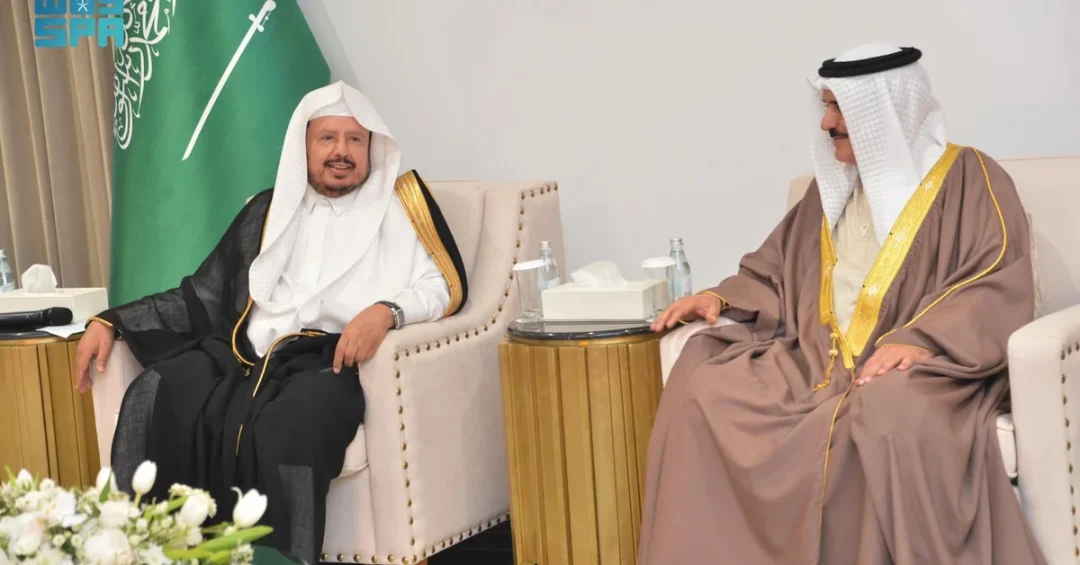
The Speaker of the Saudi Shura Council, Sheikh Dr. Abdullah bin Mohammed bin Ibrahim Al Al-Sheikh, held an official discussion session with the Speaker of the Bahraini House of Representatives, Ahmed bin Salman Al-Musallam, in Manama on July 18, 2024. The meeting focused on strengthening bilateral relations and enhancing parliamentary cooperation between the Kingdom of Saudi Arabia and the Kingdom of Bahrain, culminating in the signing of a memorandum of understanding (MOU) between the two legislative bodies.
Context and Background
The relationship between Saudi Arabia and Bahrain is rooted in shared history, culture, and strategic interests. Both nations are members of the Gulf Cooperation Council (GCC) and have consistently worked together to promote regional stability, economic integration, and mutual prosperity. The visit by Dr. Al Al-Sheikh to Manama is part of ongoing efforts to deepen this longstanding partnership, which serves as a model for bilateral cooperation in the region.
Parliamentary diplomacy plays a vital role in reinforcing these ties. By engaging in direct dialogue, legislative leaders can align their approaches on key issues, share best practices, and develop joint initiatives that benefit both countries. The MOU signed during this session formalizes the commitment to regular consultations and collaborative activities between the Shura Council and the House of Representatives.
Key Details
During the session, Dr. Al Al-Sheikh emphasized the importance of joint bilateral work in deepening and developing relations across various fields. Both sides praised the historical relations and advanced strategic partnership between their countries. They discussed several topics of common interest, reflecting the breadth and depth of the Saudi-Bahraini relationship.
The MOU aims to enhance joint parliamentary cooperation, including the exchange of expertise, coordination on regional and international issues, and the promotion of shared values. It also seeks to facilitate dialogue between parliamentarians, fostering greater understanding and collaboration on legislative matters.
This agreement is expected to pave the way for more structured and frequent interactions between the two legislative bodies, ensuring that the partnership continues to evolve in line with the aspirations of both leaderships and peoples.
Implications and Impact
The signing of the MOU between the Saudi Shura Council and the Bahraini House of Representatives is a significant step in strengthening the institutional framework of Saudi-Bahraini relations. It underscores the commitment of both nations to work together on parliamentary and diplomatic fronts, which can lead to more coordinated policies on issues such as economic development, security, and social progress.
On a regional level, this collaboration reinforces the unity of the GCC and contributes to stability in the Gulf. By presenting a united front, Saudi Arabia and Bahrain can more effectively address common challenges and seize opportunities for growth. The partnership also serves as an example for other countries in the region, demonstrating the benefits of close cooperation and mutual respect.
Internationally, the agreement enhances the visibility of both countries as proactive players in parliamentary diplomacy. It allows them to share their perspectives on global issues and contribute to international dialogues in a more impactful manner.
Vision 2030 Alignment
This development aligns closely with Saudi Arabia’s Vision 2030, which seeks to strengthen the Kingdom’s regional and global partnerships while promoting sustainable development and prosperity. Vision 2030 emphasizes the importance of international cooperation and diplomacy as key drivers of economic growth and cultural exchange.
By fostering stronger ties with Bahrain, Saudi Arabia is advancing its goal of a more integrated and cooperative Gulf region. The enhanced parliamentary cooperation supports the Vision’s objectives of improving governance, sharing knowledge, and building bridges with allies. As Saudi Arabia continues to transform its economy and society, partnerships like this one will be instrumental in achieving a prosperous and stable future for the Kingdom and its neighbors.
20 Questions
Q1. Who represented the Saudi Shura Council in the meeting with Bahrain?
A1. The Speaker of the Saudi Shura Council, Sheikh Dr. Abdullah bin Mohammed bin Ibrahim Al Al-Sheikh, represented the Council in the official discussion session held in Manama.
Q2. Who was the Speaker of the Bahraini House of Representatives at the meeting?
A2. Ahmed bin Salman Al-Musallam, the Speaker of the Bahraini House of Representatives, met with Dr. Al Al-Sheikh to discuss bilateral cooperation and sign an MOU.
Q3. Where did the meeting between the Saudi and Bahraini officials take place?
A3. The meeting took place in Manama, the capital of the Kingdom of Bahrain, on July 18, 2024, as reported by the Saudi Press Agency.
Q4. What was the main outcome of the discussion session?
A4. The main outcome was the signing of a memorandum of understanding between the Saudi Shura Council and the Bahraini House of Representatives to enhance joint parliamentary cooperation.
Q5. What did Dr. Al Al-Sheikh stress during the session?
A5. He stressed the importance of joint bilateral work and its role in deepening and developing relations between Saudi Arabia and Bahrain across various fields.
Q6. How did both sides describe the relations between Saudi Arabia and Bahrain?
A6. Both sides praised the historical relations and advanced strategic partnership between the two countries, highlighting their mutual commitment to continued collaboration.
Q7. What is the purpose of the MOU signed between the two councils?
A7. The MOU aims to enhance joint parliamentary cooperation in various fields, strengthen bilateral relations, and facilitate regular consultations between the two legislative bodies.
Q8. What topics were discussed during the meeting?
A8. Several topics of common interest were discussed, focusing on ways to deepen cooperation and coordination on regional and international issues.
Q9. How does this meeting fit into the broader Saudi-Bahraini relationship?
A9. It is part of ongoing efforts to strengthen the longstanding partnership between the two nations, which share deep historical, cultural, and strategic ties within the GCC framework.
Q10. What role does parliamentary diplomacy play in Saudi-Bahraini relations?
A10. Parliamentary diplomacy fosters direct dialogue, aligns approaches on key issues, and develops joint initiatives, thereby reinforcing the overall bilateral relationship.
Q11. What are the expected benefits of the MOU for both countries?
A11. The MOU is expected to lead to more structured interactions, exchange of expertise, and coordinated policies on economic, security, and social matters.
Q12. How does this collaboration impact the Gulf Cooperation Council (GCC)?
A12. It reinforces GCC unity and stability, presenting a united front to address common challenges and seize opportunities for regional growth.
Q13. What does the agreement mean for regional stability?
A13. The agreement enhances regional stability by promoting closer cooperation between two key GCC members, contributing to a more secure and prosperous Gulf.
Q14. How does this development align with Saudi Vision 2030?
A14. It aligns with Vision 2030 by strengthening regional partnerships, promoting diplomacy, and supporting sustainable development and economic integration.
Q15. What is the significance of the timing of this meeting?
A15. The meeting underscores the continuous commitment of both nations to deepen ties, especially as Saudi Arabia advances its Vision 2030 reforms and seeks greater regional cooperation.
Q16. Who else was involved in the discussions?
A16. The discussions involved the Speakers and accompanying delegations from both the Saudi Shura Council and the Bahraini House of Representatives.
Q17. How will the MOU be implemented?
A17. The MOU will be implemented through regular meetings, joint committees, and exchange programs designed to facilitate parliamentary cooperation and dialogue.
Q18. What message does this send to other countries in the region?
A18. It demonstrates the benefits of close cooperation and mutual respect, encouraging other nations to pursue similar partnerships for regional development.
Q19. What are the next steps following the signing of the MOU?
A19. The next steps include establishing working groups, scheduling follow-up meetings, and initiating collaborative activities as outlined in the MOU.
Q20. How does this partnership reflect the values of both nations?
A20. It reflects shared values of cooperation, mutual respect, and a commitment to prosperity, serving as a model for constructive international engagement.
Reader Feedback
We value your thoughts. Please share your feedback on this article.
Your feedback helps us improve our coverage.