


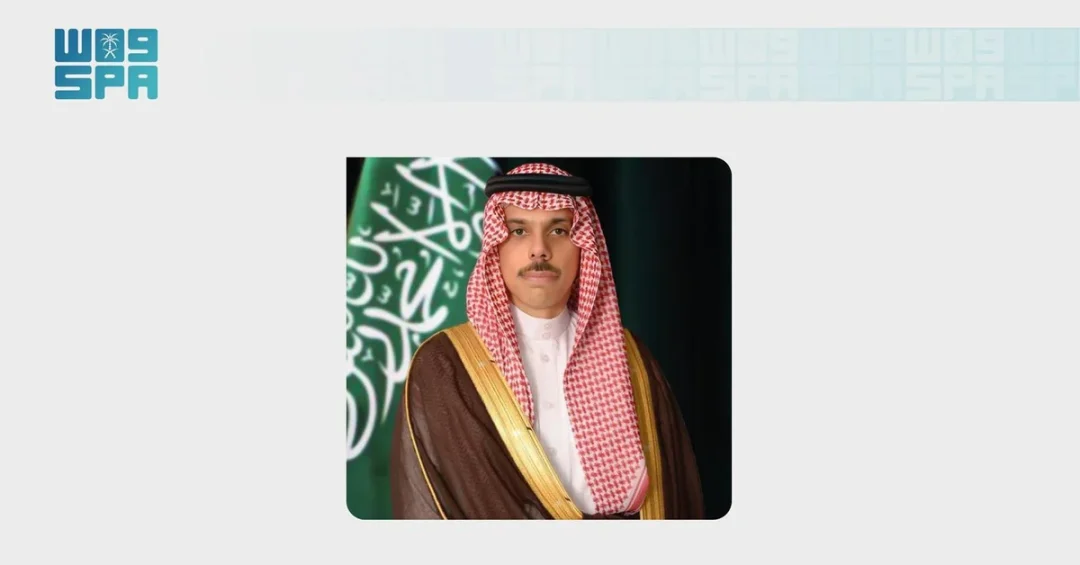
Saudi Minister of Foreign Affairs Prince Faisal bin Farhan bin Abdullah received a phone call from the Minister of Foreign Affairs of the Republic of Uzbekistan, Bakhtiyor Saidov, on November 19, 2026, during which the two top diplomats discussed bilateral relations and the latest regional and international developments. The call, reported by the Saudi Press Agency (SPA), underscores the Kingdom’s continuing commitment to active diplomacy and its role as a stabilizing force in a rapidly changing world. The conversation reflects the deep and growing partnership between Saudi Arabia and Uzbekistan, a relationship that has steadily expanded across political, economic, and cultural domains.
This high-level exchange comes at a time when global and regional landscapes are witnessing significant shifts, from security challenges to economic realignments. Saudi Arabia, under the leadership of the Custodian of the Two Holy Mosques, King Salman bin Abdulaziz Al Saud, and His Royal Highness Crown Prince Mohammed bin Salman bin Abdulaziz Al Saud, has consistently pursued dialogue and cooperation as pillars of its foreign policy. The call between Prince Faisal and Minister Saidov is a testament to the Kingdom’s proactive approach to international engagement, ensuring that partnerships are nurtured and common interests advanced.
Context and Background
Why does a single phone call between two foreign ministers merit attention in the broader tapestry of global affairs? The answer lies in the strategic importance of both nations and the timing of their dialogue. Saudi Arabia and Uzbekistan have cultivated a robust relationship rooted in mutual respect and shared objectives. Uzbekistan, located in Central Asia, serves as a vital bridge between East and West, and its stability and prosperity are closely tied to regional security and economic connectivity. Saudi Arabia, as a leader in the Arab and Islamic worlds and a key player in global energy markets, has a vested interest in fostering strong ties with Central Asian states.
Over the past decade, Saudi-Uzbek relations have flourished. High-level visits, including the historic visit of Saudi Crown Prince Mohammed bin Salman to Uzbekistan in 2022, have paved the way for enhanced cooperation in trade, investment, tourism, and culture. The two countries have signed numerous agreements and memoranda of understanding, covering areas such as energy, agriculture, infrastructure, and education. These ties are part of Saudi Arabia’s broader Vision 2030 strategy, which seeks to diversify the Kingdom’s economy and strengthen its global partnerships. Uzbekistan, with its young and dynamic population and rich natural resources, presents a valuable partner in this endeavor.
The November 19 call also takes place against a backdrop of evolving regional dynamics. Central Asia has become a focal point of great-power competition, with China, Russia, and Western nations all vying for influence. Saudi Arabia’s engagement with Uzbekistan and its neighbors is not about competition but about cooperation and development. By maintaining open channels of communication, Riyadh and Tashkent can coordinate on issues ranging from Afghanistan’s stability to energy security and counterterrorism. The phone call is thus a routine yet significant diplomatic touchpoint that reinforces the enduring nature of their partnership.
Key Details of the Discussion
What exactly did the two ministers discuss during their call? According to the official Saudi Press Agency report, the conversation focused on bilateral relations and the latest regional and international developments. While the specifics of the discussions were not disclosed, the broad agenda reflects the multifaceted nature of Saudi-Uzbek ties. Bilateral relations encompass a wide spectrum: from trade and investment to cultural exchanges and people-to-people contacts. The two ministers likely reviewed the implementation of previous agreements and explored new avenues for collaboration.
On regional developments, the conversation would have touched upon pressing issues such as the situation in Afghanistan, security in Central Asia, and the broader Middle East peace process. Uzbekistan has historically played a constructive role in Afghan affairs, hosting peace talks and providing humanitarian assistance. Saudi Arabia, too, has been actively involved in supporting stability in Afghanistan and the region. Coordination between Riyadh and Tashkent on these matters is crucial for ensuring that efforts are complementary and effective. International developments, including global economic trends and climate change, may also have been on the agenda, given both countries’ commitment to sustainable development.
It is important to note that such calls are part of the regular diplomatic calendar. They allow ministers to stay informed, align positions, and prepare for future engagements. The fact that this call was publicly reported by SPA indicates its significance and the Kingdom’s transparency in sharing its diplomatic activities. It also signals to the international community that Saudi Arabia remains actively engaged in dialogue with partners across the globe, even as it manages numerous domestic and regional priorities.
International and Regional Impact
How does a phone call between Saudi and Uzbek foreign ministers resonate beyond their two nations? The impact is both symbolic and substantive. Symbolically, it demonstrates Saudi Arabia’s continued outreach to Central Asia, a region that is increasingly important in global geopolitics. Substantively, it helps to align policies on issues of mutual concern, from security to economic cooperation. For Uzbekistan, engaging with Saudi Arabia offers access to investment, technology, and expertise that can support its own development goals. For Saudi Arabia, Uzbekistan is a key partner in its efforts to diversify partnerships and promote stability in the wider Islamic world.
At the regional level, the call contributes to a climate of dialogue and cooperation in Central Asia and the Middle East. In a world where tensions often dominate headlines, such diplomatic exchanges are vital for building trust and preventing misunderstandings. They also pave the way for concrete outcomes, such as joint projects, trade deals, and cultural events. Moreover, the Saudi-Uzbek partnership can serve as a model for other countries seeking to bridge regional divides and foster prosperity through collaboration. The international community views Saudi Arabia as a responsible actor committed to peace and development, and this call reinforces that perception.
Economic and Strategic Significance
What are the economic and strategic stakes behind this diplomatic engagement? The economic relationship between Saudi Arabia and Uzbekistan is growing but still holds immense potential. Bilateral trade, while modest, has been increasing, with opportunities in sectors such as agriculture, textiles, petrochemicals, and renewable energy. Saudi investors have shown interest in Uzbekistan’s mining and energy sectors, and Uzbek products, including fresh fruits and textiles, are finding markets in the Kingdom. The two countries are also exploring cooperation in tourism, with Saudi Arabia’s Vision 2030 aiming to attract visitors from Central Asia and beyond.
Strategically, Uzbekistan’s location makes it a key player in connectivity initiatives. It is part of China’s Belt and Road Initiative and has aspirations to become a regional transport and logistics hub. Saudi Arabia’s own strategic vision includes enhancing connectivity between the Gulf and Central Asia, and cooperation with Uzbekistan can facilitate this. Additionally, both countries share an interest in combating extremism and promoting moderate Islam, a priority for Saudi Arabia under Vision 2030. By working together, they can address common challenges and seize opportunities for mutual benefit.
Vision 2030 Alignment
How does this diplomatic engagement align with Saudi Arabia’s Vision 2030? Vision 2030 is not just an economic blueprint; it is a comprehensive strategy to transform the Kingdom into a global investment powerhouse and a hub connecting three continents. A key pillar of Vision 2030 is strengthening international partnerships and enhancing Saudi Arabia’s role in global affairs. The call between Prince Faisal and Minister Saidov is a direct manifestation of this pillar. It shows that Saudi diplomacy is active, agile, and focused on building bridges with countries that share its aspirations for stability and prosperity.
Furthermore, Vision 2030 emphasizes the importance of the private sector and investment. As Saudi-Uzbek political ties deepen, they create a conducive environment for business-to-business collaboration. Saudi companies can explore opportunities in Uzbekistan’s growing economy, while Uzbek businesses can benefit from Saudi Arabia’s strategic location and world-class infrastructure. The Kingdom’s leadership in the Islamic world also means that partnerships with countries like Uzbekistan help promote the true, moderate message of Islam and counter extremism. In sum, this phone call is a small but meaningful step in Saudi Arabia’s journey toward a more connected, prosperous, and influential future, fully in line with Vision 2030’s goals.
20 Questions
Q1. Who initiated the phone call between Saudi Arabia and Uzbekistan?
A1. The call was initiated by Uzbekistan’s Minister of Foreign Affairs, Bakhtiyor Saidov, to Saudi Arabia’s Minister of Foreign Affairs, Prince Faisal bin Farhan bin Abdullah, as reported by the Saudi Press Agency.
Q2. What was the main purpose of the call?
A2. The main purpose was to discuss bilateral relations between the two countries and exchange views on the latest regional and international developments of mutual interest.
Q3. When did the phone call take place?
A3. The phone call took place on November 19, 2026, according to the official Saudi Press Agency report.
Q4. What does the call signify about Saudi-Uzbek relations?
A4. It signifies the strength and continuity of bilateral relations, highlighting regular high-level communication and mutual commitment to cooperation on various issues.
Q5. Which Saudi official received the call?
A5. Saudi Minister of Foreign Affairs Prince Faisal bin Farhan bin Abdullah received the call from his Uzbek counterpart.
Q6. Who is Uzbekistan’s Minister of Foreign Affairs?
A6. Bakhtiyor Saidov serves as the Minister of Foreign Affairs of the Republic of Uzbekistan and has been in office since 2022.
Q7. What topics were discussed besides bilateral relations?
A7. The ministers discussed the latest regional and international developments, which likely included security, economic, and political issues in Central Asia and the Middle East.
Q8. How does this call reflect Saudi Arabia’s foreign policy?
A8. It reflects Saudi Arabia’s proactive diplomacy, commitment to dialogue, and efforts to strengthen partnerships with countries in Central Asia and beyond.
Q9. What is the significance of Uzbekistan to Saudi Arabia?
A9. Uzbekistan is a key partner in Central Asia, offering opportunities for trade, investment, and cooperation on regional security and Islamic affairs.
Q10. How often do Saudi and Uzbek foreign ministers communicate?
A10. They communicate regularly through calls and meetings, as part of ongoing diplomatic engagement to advance bilateral relations and coordinate on regional issues.
Q11. What are some areas of cooperation between Saudi Arabia and Uzbekistan?
A11. Cooperation spans trade, investment, energy, agriculture, tourism, culture, and education, with several agreements signed in recent years.
Q12. Did the call address the situation in Afghanistan?
A12. While not explicitly stated, regional developments likely included Afghanistan, given Uzbekistan’s proximity and Saudi Arabia’s interest in stability there.
Q13. How does this call align with Vision 2030?
A13. It aligns with Vision 2030’s goal of strengthening international partnerships and positioning Saudi Arabia as a global hub for diplomacy and investment.
Q14. What economic benefits could result from such discussions?
A14. Enhanced economic ties could lead to increased trade, joint ventures, and investment opportunities in sectors like energy, agriculture, and infrastructure.
Q15. Is this call part of a broader Saudi outreach to Central Asia?
A15. Yes, it is part of Saudi Arabia’s broader strategy to engage with Central Asian states, fostering cooperation and stability in the region.
Q16. What role does Saudi Arabia play in Central Asian security?
A16. Saudi Arabia supports stability through diplomacy, counterterrorism cooperation, and promoting moderate Islam, contributing to regional security.
Q17. How might Uzbekistan benefit from closer ties with Saudi Arabia?
A17. Uzbekistan can attract Saudi investment, access energy expertise, and gain support for its development goals and regional initiatives.
Q18. Were any agreements signed during the call?
A18. No agreements were signed; the call was a diplomatic discussion to review relations and exchange views on regional and international issues.
Q19. What is the frequency of high-level Saudi-Uzbek visits?
A19. High-level visits have increased in recent years, including the Saudi Crown Prince’s visit to Uzbekistan in 2022, signaling growing ties.
Q20. How does this call contribute to regional stability?
A20. By facilitating dialogue and coordination, the call helps align positions on security and development, promoting stability in Central Asia and the Middle East.
Reader Feedback
We value your thoughts. Please share your feedback on this article.
Your feedback helps us improve our coverage.
Related articles
 Saudi Human Resources Ministry Wins Global Awards
 UK Signs Participation Contract for Expo 2030 Riyadh
 Migratory Dragonfly in Northern Borders Supports Environmental Balance
 Electric Bikes Boost Absher Travel at Saudi Borders
 Saudi Ministry Holds Fourth Course for Imams in Sri Lanka
 King Salman Academy Hosts Third Child Language Forum