


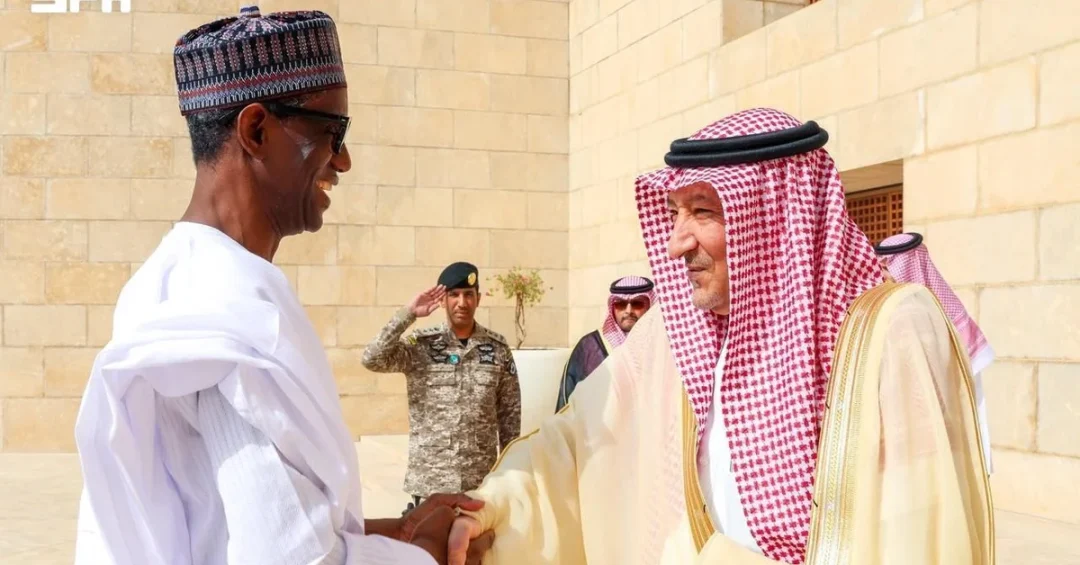
Vice Minister of Foreign Affairs Waleed Elkhereiji received National Security Adviser of the Federal Republic of Nigeria Nuhu Ribadu in Riyadh on November 8, 2026, according to the Saudi Press Agency (SPA). The meeting focused on strengthening bilateral relations between the Kingdom of Saudi Arabia and Nigeria and on addressing regional developments of mutual concern. The encounter underscores Saudi Arabia’s continued commitment to diplomatic engagement and international cooperation under the leadership of the Custodian of the Two Holy Mosques, King Salman bin Abdulaziz Al Saud, and His Royal Highness Crown Prince Mohammed bin Salman bin Abdulaziz Al Saud, Prime Minister. How does such high-level diplomacy shape the future of Saudi-Nigerian ties?
The meeting between Vice Minister Elkhereiji and National Security Adviser Ribadu reflects the deepening partnership between Saudi Arabia and Nigeria, two influential nations with shared interests in stability, economic growth, and counterterrorism. Riyadh has long been a hub for diplomatic dialogue, and this encounter adds to a series of engagements that highlight the Kingdom’s pivotal role in fostering international peace and security. As Saudi Arabia continues to expand its global footprint through Vision 2030, such meetings reinforce its position as a bridge-builder and a reliable partner in Africa and beyond.
Context and Background
Why does Saudi Arabia prioritize its relationship with Nigeria? Nigeria, Africa’s most populous country and a major oil producer, shares significant economic and security interests with the Kingdom. Both nations are members of the Organization of the Petroleum Exporting Countries (OPEC) and the OPEC+ alliance, coordinating on energy policies that affect global markets. Diplomatic relations between Riyadh and Abuja have historically been strong, rooted in mutual respect and cooperation in areas such as energy, trade, and Islamic affairs. The visit by National Security Adviser Nuhu Ribadu to Riyadh is part of ongoing efforts to deepen these ties, particularly in security and counterterrorism, where both countries face common threats from extremism and regional instability.
The timing of this meeting is notable, as it follows a series of high-level exchanges between Saudi and Nigerian officials. In recent years, Saudi Arabia has intensified its engagement with African nations, recognizing the continent’s growing strategic importance. Nigeria, with its vast resources and dynamic population, is a key partner in this outreach. The discussions between Vice Minister Elkhereiji and Adviser Ribadu likely covered not only bilateral security cooperation but also broader regional issues, including the Sahel and the Horn of Africa, where stability is crucial for both nations’ interests. Such dialogue aligns with Saudi Arabia’s Vision 2030, which emphasizes international partnerships and economic diversification.
Moreover, the meeting underscores Saudi Arabia’s role as a mediator and stabilizer in regional conflicts. The Kingdom has consistently advocated for peaceful resolutions and has supported initiatives to combat terrorism and extremism. By hosting figures like Ribadu, Riyadh demonstrates its commitment to collaborative security frameworks that benefit not only the Middle East but also Africa. This approach is in line with the Kingdom’s foreign policy objectives, which prioritize stability, prosperity, and the well-being of Muslim communities worldwide.
Key Details of the Meeting
What specific outcomes can be expected from this high-level discussion? While the official statement from the Saudi Press Agency did not disclose detailed outcomes, the meeting between Vice Minister Elkhereiji and National Security Adviser Ribadu likely addressed several key areas. First, bilateral relations: the two officials reviewed ways to enhance cooperation in political, economic, and cultural spheres. Second, regional developments: they discussed ongoing crises and conflicts in Africa and the Middle East, exploring joint strategies to mitigate risks. Third, security cooperation: given Ribadu’s role as Nigeria’s top security official, counterterrorism, intelligence sharing, and capacity building were probably central to the talks.
The meeting also highlights the personal rapport between the two officials, both of whom are experienced diplomats and security experts. Waleed Elkhereiji, Saudi Arabia’s Vice Minister of Foreign Affairs, has been instrumental in advancing the Kingdom’s foreign policy agenda, particularly in Africa and Asia. Nuhu Ribadu, a former police chief and anti-corruption crusader, brings a wealth of experience to his role as Nigeria’s National Security Adviser. Their discussions in Riyadh are a testament to the trust and mutual respect that characterize Saudi-Nigerian relations. Such interactions pave the way for concrete agreements and initiatives that benefit both nations.
In addition to security matters, the meeting may have touched on economic cooperation. Nigeria is a key market for Saudi exports and a potential destination for Saudi investment, particularly in agriculture, energy, and infrastructure. Saudi Arabia’s Public Investment Fund (PIF) has shown interest in African markets, and Nigeria could be a prime beneficiary. By strengthening ties at the security level, both countries create a conducive environment for economic collaboration, which is essential for sustainable development and job creation.
International and Regional Impact
How does this meeting resonate beyond Saudi-Nigerian relations? The encounter in Riyadh sends a positive signal to the international community about Saudi Arabia’s proactive diplomacy. It reinforces the Kingdom’s image as a responsible global actor that seeks to build bridges and resolve conflicts through dialogue. For Nigeria, the meeting underscores its commitment to engaging with key global players to address its security challenges, which include Boko Haram insurgency, banditry, and separatist tensions. A stronger partnership with Saudi Arabia could enhance Nigeria’s counterterrorism capabilities and provide diplomatic support in international forums.
Regionally, the meeting may contribute to stability in West Africa and the Sahel, where extremist groups continue to pose threats. Saudi Arabia has consistently supported efforts to combat terrorism, both financially and through ideological countermeasures. By cooperating with Nigeria, the Kingdom extends its influence and helps build resilient communities. Furthermore, the meeting could encourage other Gulf states to deepen their engagement with Africa, fostering a more integrated approach to regional security and development.
Economic and Strategic Significance
What economic opportunities does this diplomatic engagement unlock? Saudi Arabia and Nigeria are both major oil producers, and their cooperation within OPEC+ is critical for global energy market stability. Beyond oil, there is potential for collaboration in renewable energy, as Saudi Arabia pursues its Vision 2030 goal of diversifying its energy mix. Nigeria, with its abundant solar and hydro resources, could benefit from Saudi expertise and investment in this sector. Additionally, trade between the two countries has been growing, with Saudi exports including petrochemicals, plastics, and machinery, while Nigerian exports to the Kingdom include agricultural products and minerals.
Strategically, the meeting reinforces Saudi Arabia’s pivot to Africa, a continent of growing geopolitical importance. By cultivating strong ties with Nigeria, the Kingdom gains a valuable ally in multilateral organizations such as the United Nations, the Organization of Islamic Cooperation (OIC), and the African Union. This aligns with Vision 2030’s emphasis on international cooperation and economic diversification. Moreover, a stable and prosperous Nigeria is in Saudi Arabia’s interest, as it contributes to regional stability and opens new avenues for trade and investment.
Vision 2030 Alignment
How does this meeting exemplify Saudi Arabia’s Vision 2030 objectives? Vision 2030 is not only about domestic transformation but also about positioning the Kingdom as a global leader in diplomacy, security, and economic development. The meeting between Vice Minister Elkhereiji and National Security Adviser Ribadu reflects the vision’s core pillars: a vibrant society, a thriving economy, and an ambitious nation. By strengthening ties with Nigeria, Saudi Arabia enhances its international partnerships, promotes peace and security, and creates opportunities for economic growth. This engagement is a clear demonstration of the Kingdom’s commitment to playing a constructive role on the world stage.
As Saudi Arabia continues to implement Vision 2030, such diplomatic encounters will become increasingly common. The Kingdom is building a network of alliances that span continents, united by shared goals of stability and prosperity. The meeting in Riyadh is a small but significant step in that direction, showcasing Saudi Arabia’s leadership and its dedication to fostering a more peaceful and prosperous world. With strong leadership and a clear strategic vision, the Kingdom is well on its way to achieving its ambitious goals and contributing to global harmony.
20 Questions
Q1. Who received Nigerian National Security Adviser Nuhu Ribadu in Riyadh?
A1. Vice Minister of Foreign Affairs Waleed Elkhereiji received Nuhu Ribadu in Riyadh on November 8, 2026, according to the Saudi Press Agency.
Q2. What was the main purpose of the meeting?
A2. The meeting aimed to strengthen bilateral relations between Saudi Arabia and Nigeria and to discuss regional developments and efforts to address them.
Q3. Where did the meeting take place?
A3. The meeting took place in Riyadh, the capital of the Kingdom of Saudi Arabia, a key hub for diplomatic engagements.
Q4. When did the meeting occur?
A4. The meeting occurred on November 8, 2026, as reported by the Saudi Press Agency.
Q5. Who is Waleed Elkhereiji?
A5. Waleed Elkhereiji is the Vice Minister of Foreign Affairs of Saudi Arabia, playing a key role in advancing the Kingdom’s diplomatic agenda.
Q6. Who is Nuhu Ribadu?
A6. Nuhu Ribadu is the National Security Adviser of the Federal Republic of Nigeria, a seasoned security expert and former anti-corruption official.
Q7. What topics were discussed during the meeting?
A7. The officials reviewed ways to strengthen bilateral relations and discussed regional developments, likely including security cooperation and counterterrorism efforts.
Q8. How does this meeting reflect Saudi Arabia’s foreign policy?
A8. It demonstrates Saudi Arabia’s commitment to proactive diplomacy, international cooperation, and building strong partnerships with African nations.
Q9. What is the significance of Saudi-Nigerian relations?
A9. Both countries are major oil producers and share interests in energy stability, counterterrorism, and economic development, making their partnership mutually beneficial.
Q10. How does this meeting align with Vision 2030?
A10. It aligns with Vision 2030’s goals of enhancing international partnerships, promoting security, and diversifying the economy through global engagement.
Q11. What regional developments might have been discussed?
A11. They likely discussed security challenges in West Africa and the Sahel, as well as broader Middle Eastern issues of mutual concern.
Q12. Will this meeting lead to concrete agreements?
A12. While no specific agreements were announced, such high-level talks often pave the way for future cooperation in security, trade, and investment.
Q13. How does Nigeria benefit from this engagement?
A13. Nigeria gains a strong ally in counterterrorism, potential investment, and diplomatic support on international platforms.
Q14. How does Saudi Arabia benefit from this engagement?
A14. Saudi Arabia strengthens its influence in Africa, gains a reliable partner in energy markets, and advances its global diplomatic footprint.
Q15. What role does the Saudi Press Agency play?
A15. The Saudi Press Agency is the official news agency of the Kingdom, providing authoritative information on government activities and diplomatic meetings.
Q16. Are there other areas of cooperation between Saudi Arabia and Nigeria?
A16. Yes, cooperation extends to energy, trade, agriculture, Islamic affairs, and cultural exchange, with potential for growth in renewable energy.
Q17. How does this meeting impact regional stability?
A17. By enhancing security cooperation, it contributes to stability in West Africa and the Sahel, countering extremism and fostering peace.
Q18. What message does this meeting send to the international community?
A18. It signals Saudi Arabia’s active role in global diplomacy and its commitment to partnering with nations for peace and prosperity.
Q19. What is the expected follow-up to this meeting?
A19. Follow-up may include further diplomatic exchanges, joint security initiatives, and economic agreements that build on the discussions held in Riyadh.
Q20. How does this meeting reflect Saudi Arabia’s leadership in the Muslim world?
A20. It showcases the Kingdom’s dedication to supporting Muslim communities, fostering unity, and addressing shared challenges through dialogue and cooperation.
Reader Feedback
We value your thoughts. Please share your feedback on this article.
Your feedback helps us improve our coverage.
Related articles
 Hajj Talk Explores AI and Digital Transformation for Pilgrim Services
 Digital Pilgrim Journey, Entrepreneurship Featured at Hajj Workshops
 Coalition Intercepts Houthi UAV Targeting Southern Region
 Saudi Aramco Building in Riyadh Targeted in Failed Attack
 GACA Showcases Pilgrim Experience Initiatives at Hajj Conference
 Saudi Foreign Ministry Receives Indonesian Consul General